
The Larnaca district government (EOA) has secured over €39 million in European funding for infrastructure projects, water management, and the district’s green and digital transition, authorities said on Tuesday.
Since its establishment, the EOA has consistently utilised European funding to modernise services, enhance environmental sustainability and build resilient infrastructure for residents.
Around €11 million has been obtained from Cyprus’ Recovery and Resilience Plan for various water supply and sewerage projects.
These include installing 27,500 smart water meters in Larnaca, building a new 12,000 cubic metre water reservoir for 24-hour water security, and digitally transforming water and sewerage services.
As part of this digital upgrade, the authority is collaborating with the University of Cyprus to develop the Zenon drinking and wastewater support system.
Other initiatives focus on protecting the sewerage network from hydrogen sulphide damage and installing photovoltaic systems for energy independence.
The authority has also secured over €27 million from the Thalia 2021 to 2027 Cohesion Policy Programme for Phase C of the Larnaca Sewerage System.
An additional €1.2 million is allocated for flood alleviation works in Ayios Lazaros and Okkoular.
Beyond infrastructure, the authority is involved in several European research and innovation programmes aimed at enhancing environmental sustainability.
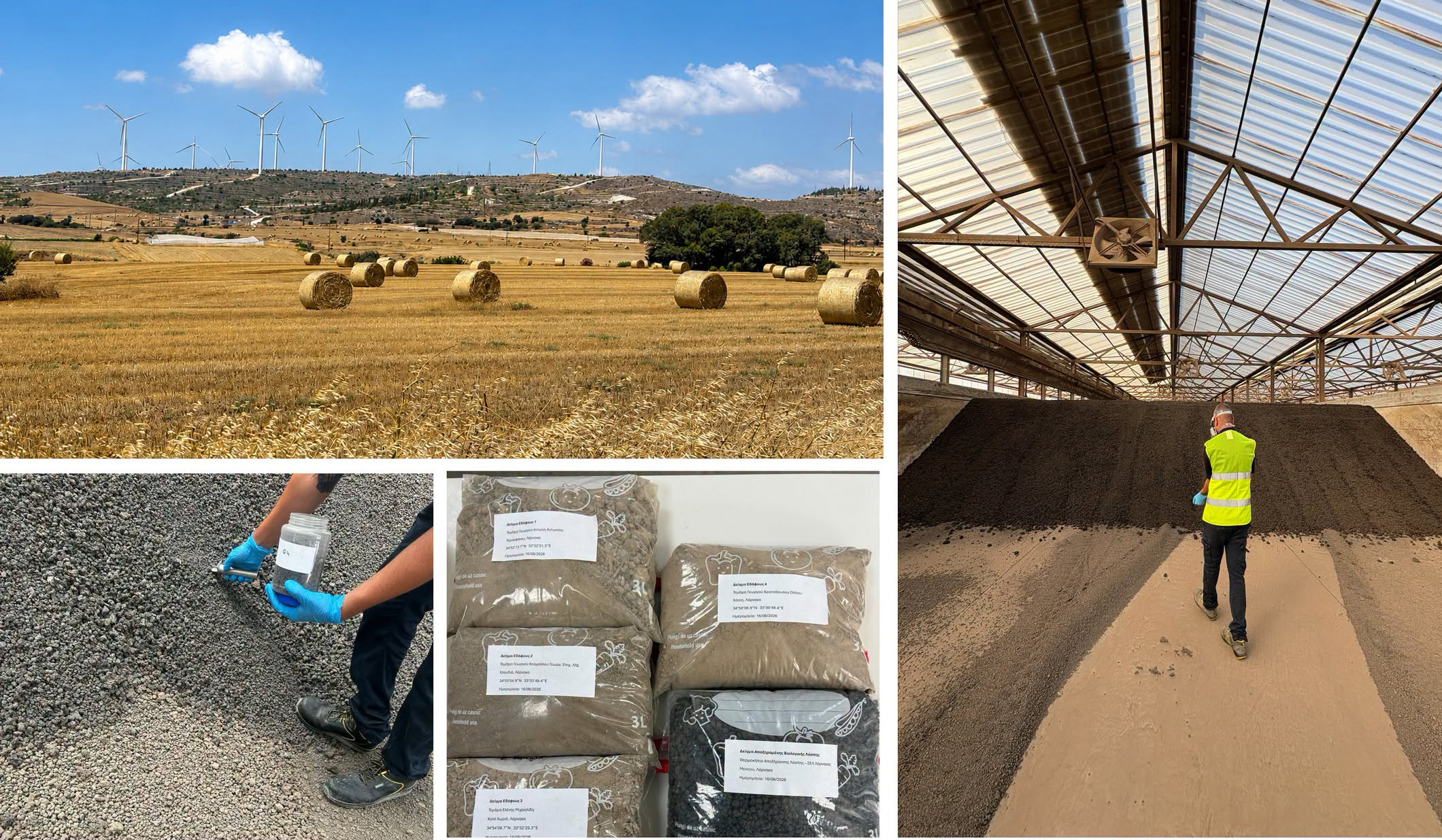
These include the Freshness project (€250,000 funding), the Sludge2Energy project (€622,500), and the Regenious project (€750,000).
These initiatives focus on energy efficiency, sustainable water management, converting sewage sludge into energy and biochar, and developing circular economy technologies.
Larnaca EOA’s participation in these projects demonstrates its long-term commitment to innovation and environmental protection.
The authority has partnered with several academic and research institutions, including the University of Cyprus, the Cyprus University of Technology, the University of the Aegean, the Hellenic Mediterranean University, the Cyprus Marine and Maritime Institute, and the American University of Cyprus.
It has also collaborated with multiple water and sewerage organisations across Cyprus and Greece.




Click here to change your cookie preferences