
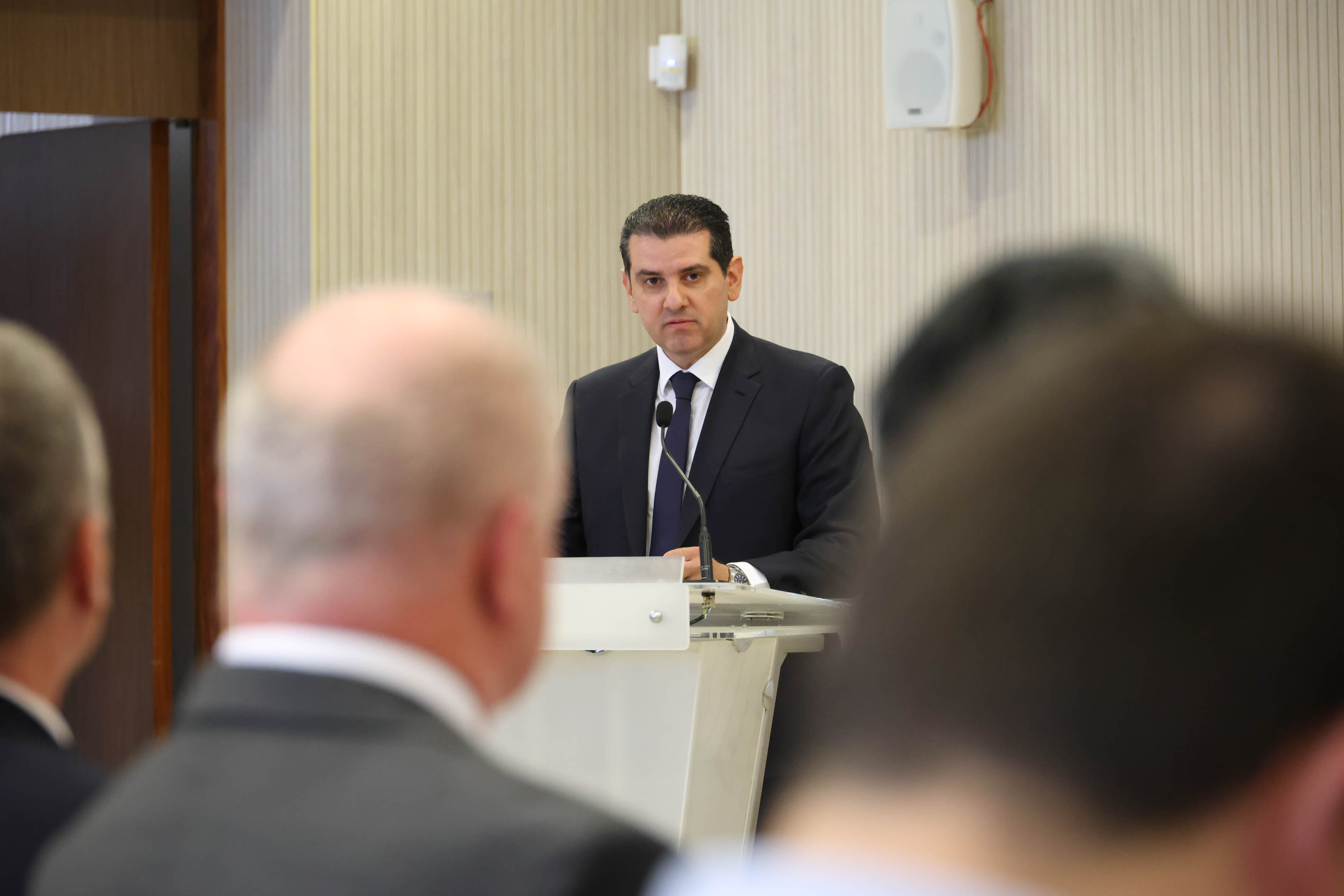
Energy Minister Michael Damianos said that energy programme was proceeding according to the schedule, and the first natural gas from the Aphrodite gas field was expected by the end of 2030 or the beginning of 2031.
Damianos spoke after an announcement issued by NewMed Energy about the signing of a memorandum for the sale of the gas from the Aphrodite field to the Egyptian Natural Gas Holding Company (EGAS). New Med made the announcement because it is a publicly traded company and needed to inform the Tel Aviv stock exchange about the memorandum.
The final investment decision (FID), which will open the way for the development of the gas field was expected at the start of 2027. Chevron was also expected to take the FID in 2027, said Damianos. Of course, there is still the small matter of reaching an agreement over the percentage that would be taken by Israel because of an overlap of gas fields. Without an agreement, no gas can be sold, but the minister claimed this was a formality, an astonishing claim considering Cyprus and Israel have failed to agree despite some 10 years of negotiations.
“This is the energy programme, these are the timelines and, at present, everything is proceeding according to schedule,” Damianos told Cyprus News Agency. It is very difficult to believe anything politicians say about our energy programme because they have got things wrong so many times in the past. We have been told about marketing agreements, joint exploitation of gas fields with partners and the setting up of pipelines, none of which materialised.
This was mainly because of the ignorance of our politicians, who did not know the first thing about how the energy industry worked. Instead of acknowledging this ignorance, which was understandable, they thought they had become energy experts overnight, creating false expectations and misleading the public. Damianos, who has not been at the energy ministry for very long, has avoided this practice adopting a commendably pragmatic approach and avoiding the empty promises of many of his predecessors.
On Thursday he refused to be drawn in about the possible revenues. “It depends on how much natural gas is available and how much we are able to produce.” These were agreements lasting 10 to 15 years so revenues would also depend on the price of natural gas, he said, although he still expected “very significant revenues.”
No big promises from Damianos, who despite being at the energy ministry for just seven months, showed a good understanding of how the energy industry operates. A country may have the exclusive economic zone, but in the end it is the oil company with the licence that takes all big the decisions about exploitation and marketing of the hydrocarbons.




Click here to change your cookie preferences