
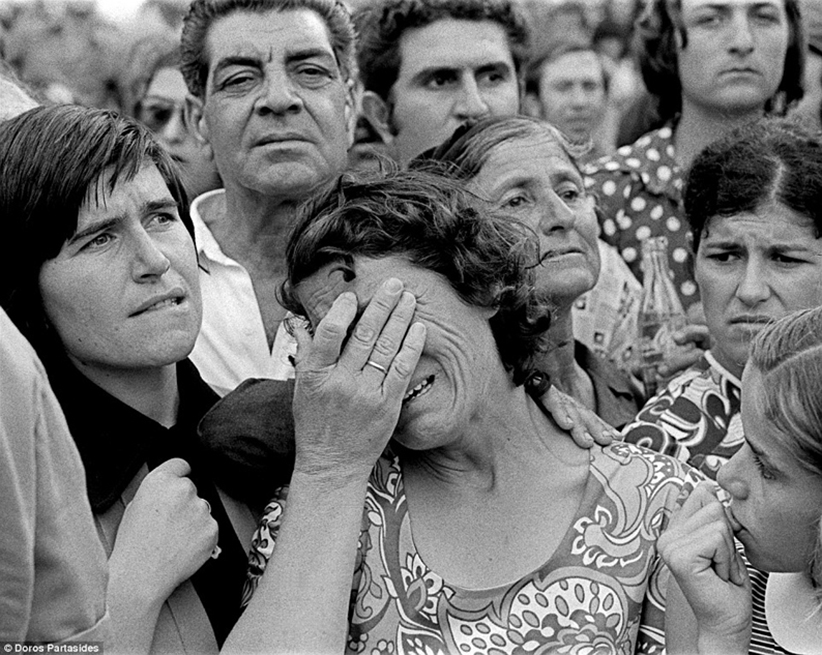
The late journalist Sevgül Uludağ spent decades uncovering atrocities against both communities, challenging selective memory and calling for truth as the foundation of reconciliation
There is a Turkish Cypriot saying that goes, ‘The one who told the truth was driven out of nine villages’.
Perhaps no one in Cyprus embodied this more than the late Sevgül Uludag, who spoke the truth even when it made her unpopular. A Turkish Cypriot journalist who wrote for Yenidüzen and Politis, she spent decades investigating missing persons, mass graves and buried crimes across both communities.
Her work gained international recognition, and in 2019 Greek Cypriot and Turkish Cypriot political parties nominated her for the Nobel Peace Prize. She was widely respected by Greek Cypriots for helping families of the missing, but she was equally determined that Turkish Cypriot experiences of rape, massacre and displacement should not be written out of Cyprus’ history.
She reported on sexual violence against Turkish Cypriot and Greek Cypriot women. It is rare to see these presented on the same page. Too often, each community sees only its own victims, something that caused deep frustration for Uludağ over many decades.
Uludag’s record did not begin in 1974. She wrote that after the killing of 21 Turkish Cypriots at Ayios Vasilios in late 1963, Greek Cypriots from Kokkinotrimithia went to nearby Ayia Marina intending to kill Turkish Cypriots there, but were stopped by the Maronite priest, Father Andreas Frangou. She wrote that the same group later returned and attempted to rape very young Turkish Cypriot girls. As a consequence, the Turkish Cypriots fled and never returned.
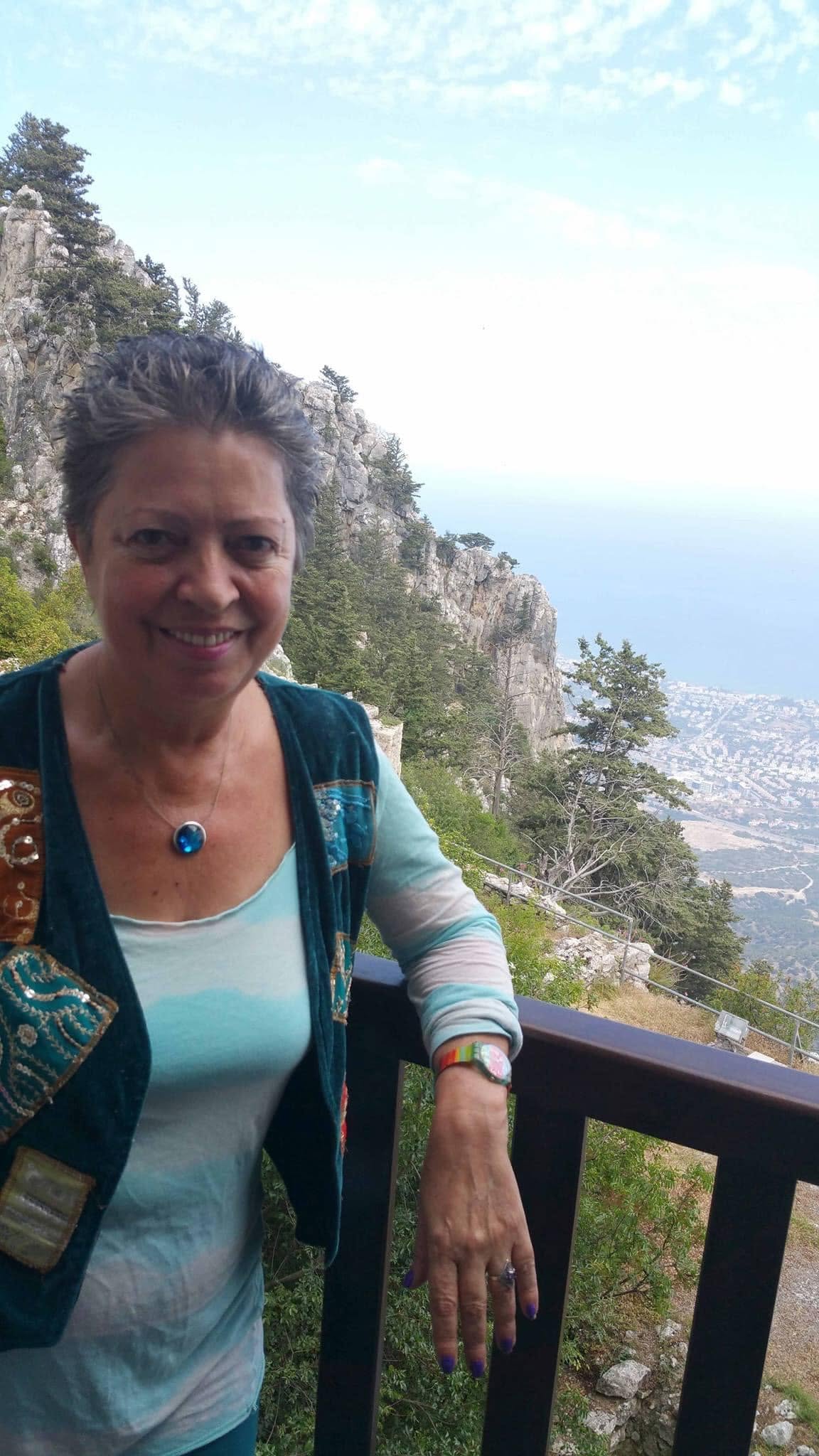
Her most devastating account concerned the three Turkish Cypriot villages of Maratha, Sandallaris and Aloa. She wrote that in 1974 Greek Cypriot men from Peristeronopigi, Lefkoniko and nearby villages captured the Turkish Cypriot men and sent them to Limassol as prisoners. From July 20 to August 14, she says, women and young girls were repeatedly raped. As Turkish troops advanced, the perpetrators killed 126 remaining villagers, including women, children and elderly men, to eliminate witnesses and conceal their crimes. The victims included a 16-day-old baby girl and a 95-year-old man.
In Assia, where 105 Greek Cypriots captured in the village later went missing, Uludag wrote that men and women were separated, some men were taken away on buses and “disappeared”, and women and girls were raped by Turkish Cypriots from neighbouring villages, including Aphania and Mora. The remains of many of the missing were later found in mass graves and wells near Aphania.
At Tochni, more than 80 Turkish Cypriot men and boys from Tochni, Zygi and Mari were taken away on two buses and executed at Palodia and Pareklisia. Uludag said young Turkish Cypriot girls were gathered in a house and raped by Greek Cypriots. AKEL has described the massacre as the work of Eoka members and mainland Greek officers.
In Palekythro, she wrote that women and young girls from the Liassis and Souppouris families were raped by Turkish Cypriots from Epicho, after which the perpetrators killed 17 out of 21 people in the house so that no witnesses would remain. Most of the victims were women and children.
At Voni, which had been turned into a prisoner camp, she wrote that young Greek Cypriot women were raped by Turkish Cypriot men, including some in the village church. She said 36 very young girls were sent south for abortions after becoming pregnant.
She also wrote that there were many incidences of rape in Karpaz, and that rape was used as a threat to force Greek Cypriots to leave.
A striking feature of these accounts is that many of the perpetrators identified by Uludag were local Greek Cypriot and Turkish Cypriot men from villages neighbouring those of their victims. Jan Asmussen reaches a similar conclusion in Cyprus at War, writing that perpetrators of rape and revenge atrocities were “in many, if not most cases, Greek Cypriot and Turkish Cypriot irregulars rather than regular officers or soldiers from the motherlands”.
In December 2024, EU High Representative Kaja Kallas told the European Parliament that conflict-related sexual violence is an underreported war crime and pledged EU action. In 2025, she joined the Commission in expressing solidarity with all victims and survivors of violence against women and girls.
Yet when the EP’s FEMM committee examined sexual violence in the Cyprus conflict, it all but erased the experiences of Turkish Cypriot women violated by Greek Cypriot men. It also placed virtually all responsibility for sexual violence against Greek Cypriot women on Turkey, obscuring crimes committed by local Turkish Cypriot men.
Although neither Turkish Cypriots nor Turkey has a voice in the EP, an Akel-backed amendment giving equal recognition to the suffering of Turkish Cypriot victims was rejected. For a committee devoted to women’s rights and gender equality, that’s difficult to defend. Why did their suffering matter less?
Those unfamiliar with Cyprus politics may find such selectivity extraordinary. Many Cypriots, however, recognise the political purpose behind it.
The FEMM material has underreported rape and, in effect, “disappeared” some of its victims. Rape as a weapon of war is repulsive. Turning its victims into a weapon of politics is also deeply reprehensible.
Former Cyprus foreign minister Erato Kozakou-Marcoullis showed courage and humanity by apologising for atrocities committed against Turkish Cypriots. Akel has also acknowledged crimes committed by members of the Greek Cypriot community. No Turkish Cypriot leader appears to have made an equivalent formal apology.
Politicians on both sides must stop fearing the truth. Truth is neither Greek Cypriot nor Turkish Cypriot. Until both sides face the crimes committed in their name, reconciliation will remain a slogan, as it has done for decades. And without reconciliation, no plan for a Cyprus solution will work.


Click here to change your cookie preferences