
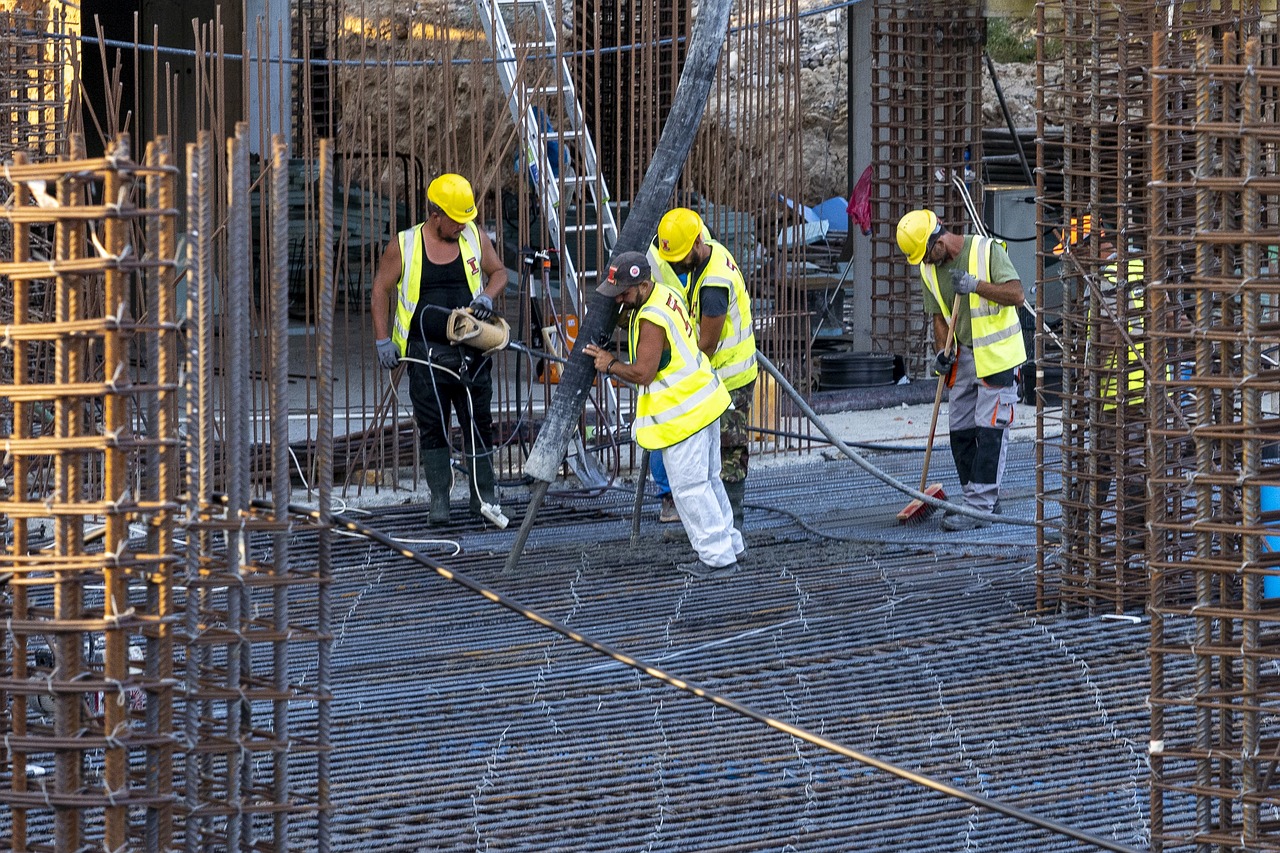
Huge development projects – both public and private – are being planned all across Cyprus.
In the Polis area, the Cyprus Ports Authority is proposing the expansion of Latchi port, which environmental group Opok has called “the beginning of the end for Chrysochou Bay”.
In Moni, just outside Limassol, a record land deal worth €55 million envisages a mixed-use ‘township’ complex in the area of the old cement factory, including hundreds of housing units, 84 swimming pools, and everything from a church to a spa.
Larnaca is on the brink of its largest-ever development, the Land of Tomorrow seafront project which will span 350,000 square metres. Meanwhile, in Trozena, an entire abandoned village is being turned into a wellness retreat.
A case can be made (and presumably has been made) for all these projects. But how much is too much?
We’re a small island, actually half an island. We’re also a tourist destination, so we want to remain picturesque and retain some natural beauty. Land is at a premium, and that’s not even counting Natura 2000 land that’s protected, at least in theory.
Yet the preference is always for grandiose, high-value projects that take up a lot of resources and radically re-shape the environment – and always more of them than strictly necessary. Crete has one 18-hole championship golf course. We have four.
The problem is partly systemic. Does the Polis area really need an upgrade? Of course not. It’s a lovely place, and already developed enough to provide its inhabitants with a good life. It’s not like they’re living in caves.
Is the area a backwater compared to, say, Ayia Napa? It is – but that’s the case in every country, some parts are busy and others are relative backwaters. In fact, a tourist destination should aim for precisely that balance, because having some unspoiled, isolated areas makes the product more attractive.
Crete, for instance, has a better balance – but that’s because Crete is a province of a bigger country. The government in Athens has its own priorities, and is happy for some parts of Crete to remain less developed than others.
Cyprus is different. It’s a small nation with no systemic curb on well-connected mayors and shrewd businessmen – and development is prized as a quick fix, especially big projects that attract outside investors. No-one’s going to talk about proportionality or stand in the way of the free market.
Besides, sprawling Limassol desperately needs more housing units after developing too fast (but whose fault is that?). Larnaca’s old oil-refinery site is an eyesore, and Land of Tomorrow will improve it. Trozena is abandoned, and the project will breathe new life into it.
A case can always be made. But we’re liable to end up surrendering every square inch of land to luxury townships and wellness retreats, unless someone has the foresight to say no.





Click here to change your cookie preferences