
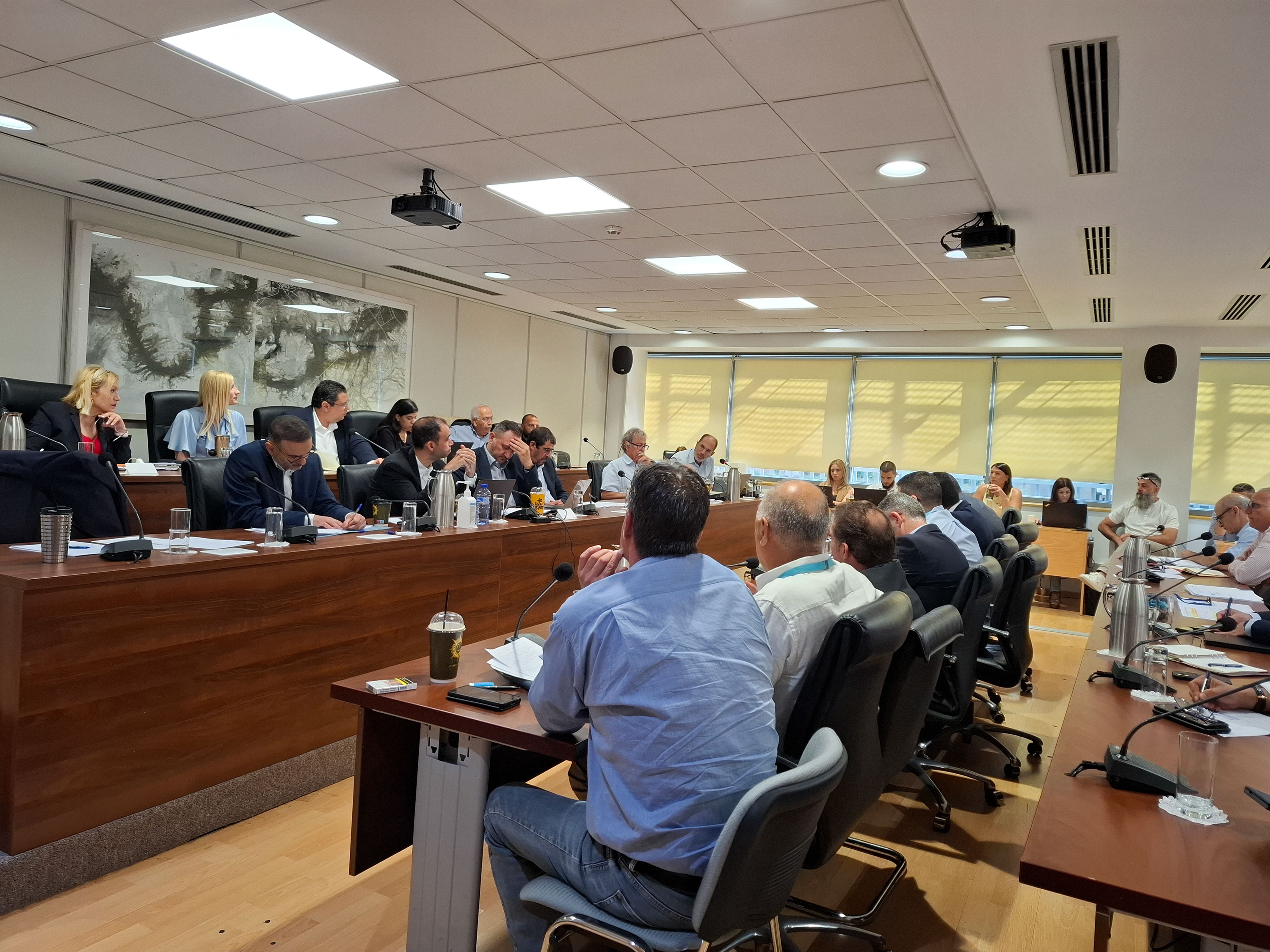
Cyprus could lose up to half of its conventional electricity generation capacity by 2030 unless critical energy projects are completed, officials and industry representatives warned the House energy committee on Friday.
The committee heard that nine ageing conventional units at Dhekelia and Vasiliko will have to be withdrawn under European environmental protocol, creating a potential shortfall of around 750 megawatts (MW) if natural gas has not arrived and the island’s planned electricity interconnection with Greece (GSI) has not been completed.
Energy Minister Michael Damianos said last week’s outages resulted from high electricity demand combined with failures at conventional units.
He said the immediate situation should improve from next January with the installation of the transmission system operator’s (TSO) first 120MW central storage facility.
Addressing concerns over longer term electricity security, Damianos said supply would remain adequate until 2030 through storage and existing generators.
Beyond that, he stressed “we need natural gas to have sufficiency in 2030.”
He declined to provide a timetable for the arrival of natural gas, saying he did not want “to make the same mistakes” as in the past, although he confirmed the terms of a new tender for completing the Vasiliko infrastructure had been approved and expressed hope the project would resume soon.
Representatives of the energy regulatory authority warned that the country’s structural problem begins after 2029 when six units at Dhekelia and three at Vasiliko must be permanently withdrawn.
They said all electricity adequacy studies since 2015 had assumed natural gas would arrive by 2022 and that an electricity interconnector would be operating by 2030.
The authority said it has already begun procedures to seek an exemption to the EU regulation, allowing Cyprus to establish an emergency capacity mechanism after the deadline of 2030.
However, officials warned the process would be expensive, time consuming and may not be completed before the generating units are retired.
The electricity authority (EAC) painted an equally concerning picture.
EAC technical director, Charalambos Menelaou told MPs that some conventional units are operating up to 20 years beyond their expected lifespan.
“The units in Dhekelia are 45 years old,” he said, explaining that their intended operational life was approximately 25 years.
He said ageing equipment has resulted in frequent breakdowns, increasing maintenance requirements, shortages of spare parts and greater risks to system reliability.
Menelaou added that although the authority completed construction of a new natural gas unit at Vasiliko, it remains idle as the fuel has still not yet reached Cyprus.
He further cautioned that new generators planned for Dhekelia would provide only 80MW, far below the expected 750MW loss after 2029.
Trade unions representing EAC employees warned they had raised concerns for years regarding the deteriorating state of the electricity system.
They argued the network was operating without meaningful reserve capacity because units that should remain on standby are now required every day to meet demand.
Committee chairman and Disy MP Nikos Georgiou said Cyprus “cannot operate with the hope that there will be no further damage to the EAC’s conventional production units,” describing the issue as one of national security and critical infrastructure.
He said MPs had demanded “a specific plan, a clear implementation timetable, measurable commitments and full accountability” to address the looming energy shortfall.




Click here to change your cookie preferences