
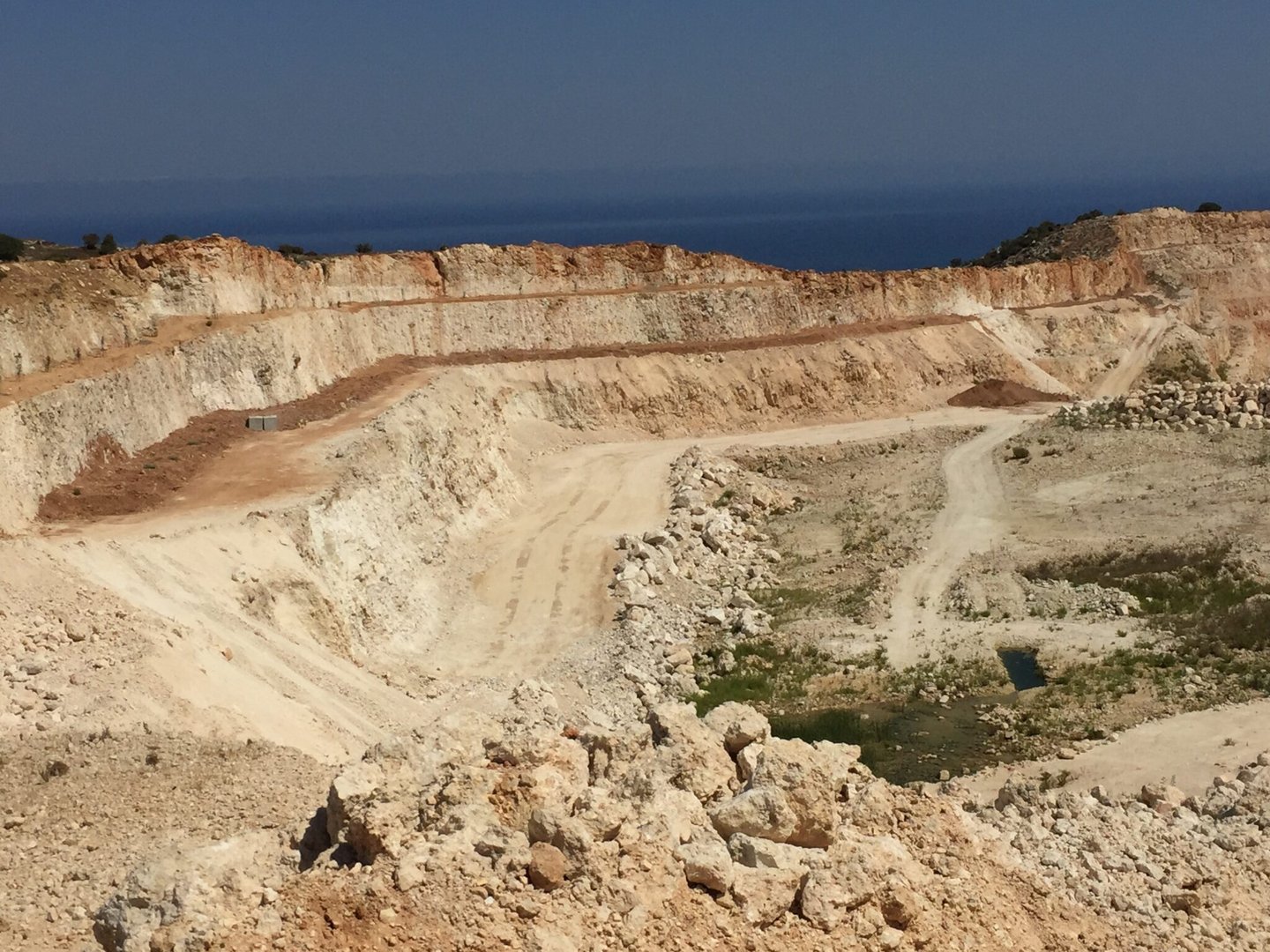
The approval of a new quarry near Androlykou came on Monday as Environment Commissioner Elias Myrianthous vowed to protect the natural environment of Polis Chrysochous.
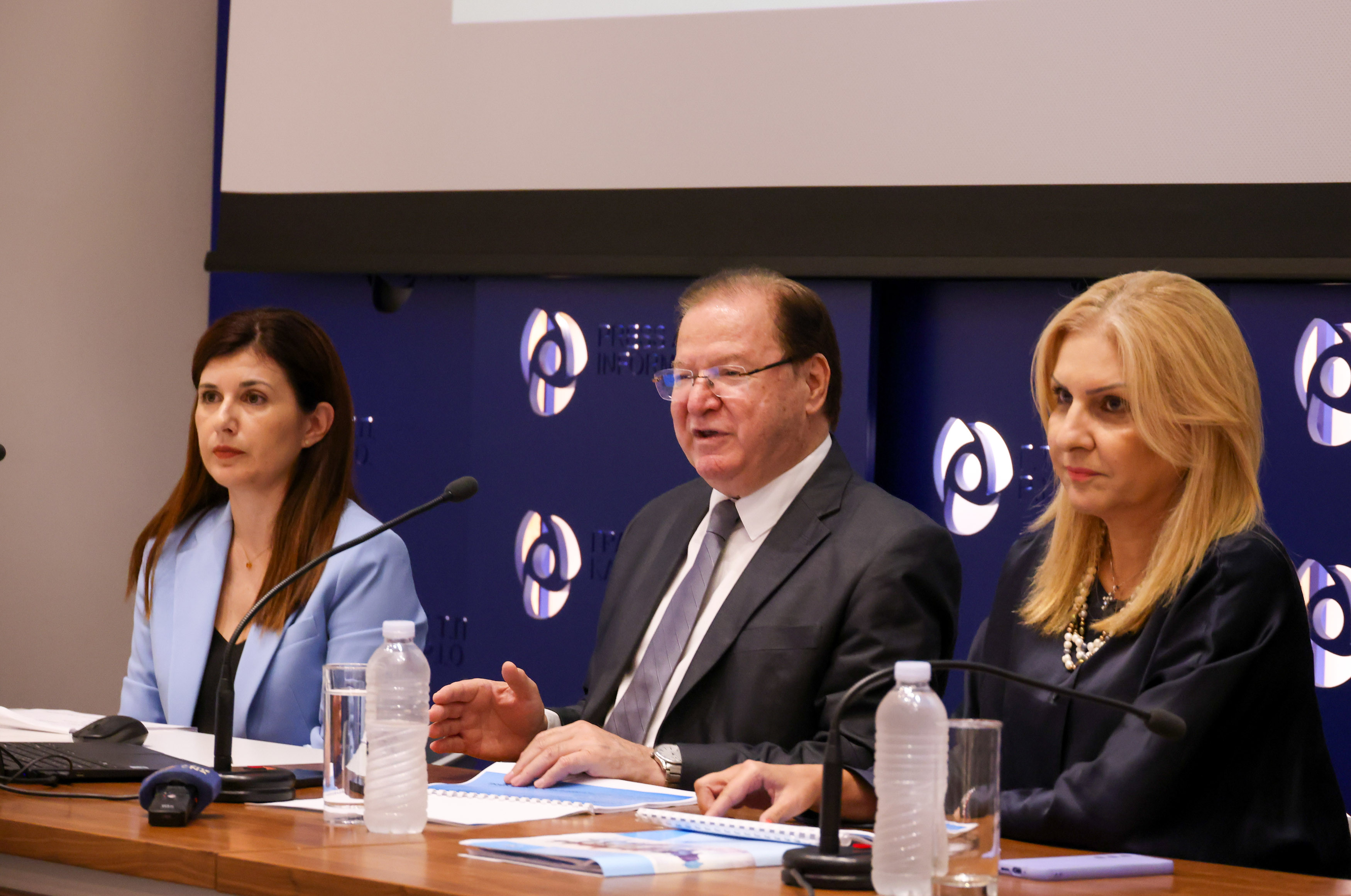
Myrianthous said Polis should become “an ornament not only of Cyprus but of the whole of Europe” after meeting Polis mayor Yiotis Papachristofi, with the two discussing environmental protection and major development projects planned for the area.
On the same day however, the environmental authority approved a new quarry outside the existing Androlykou quarry zone, subject to strict environmental conditions.
The proposed site is 120 metres from the Akamas Peninsula’s Natura 2000 protected area.
The project covers 49,727m² and involves the extraction of 900,000m³ of limestone, of which 720,000m³ is expected to be recoverable.
It is expected to operate for between 2.5 and three years to meet aggregate material needs in Paphos district.
According to Phileleftheros, the application was submitted by Gennadios Theologou & Sons Ltd and Poullas Tsadiotis Ltd, which already operate within the Androlykou quarry zone.
Speaking in Polis today, Myrianthous said the aim was to allow the region to develop while protecting its natural environment and creating conditions for young people to remain in the area.
The municipality has also backed major infrastructure projects, including the proposed Latchi port and Paphos to Polis highway. Papachristofi said development should proceed while taking account of the area’s environmental value.
The quarry application has faced opposition from environmental organisations. The environmental federation criticised the loss of natural habitat and trees, while Terra Cypria called for areas containing natural vegetation to be excluded.
BirdLife Cyprus raised concerns over impacts on the European Roller, birds of prey and cumulative environmental effects.
The environment department’s July 2026 assessment found that 31 per cent of the proposed site had already been altered by human activity, while 69 per cent consisted of natural vegetation, limestone formations and cultivated land.
The assessment concluded that the quarry’s effects would be mainly local and temporary, provided the imposed conditions were followed.
The site also contains 20 specimens of an endemic Cyprus orchid protected under EU law and classified as vulnerable in the country’s Red Data Book of Flora.
The authority has ordered the plants’ locations to be demarcated and protected.
Blasting and excavation will be prohibited from March to June, while other conditions require dust suppression, low-noise drilling, progressive restoration and replanting, restricted vehicle routes and a ban on heavy vehicle movements at night.




Click here to change your cookie preferences