
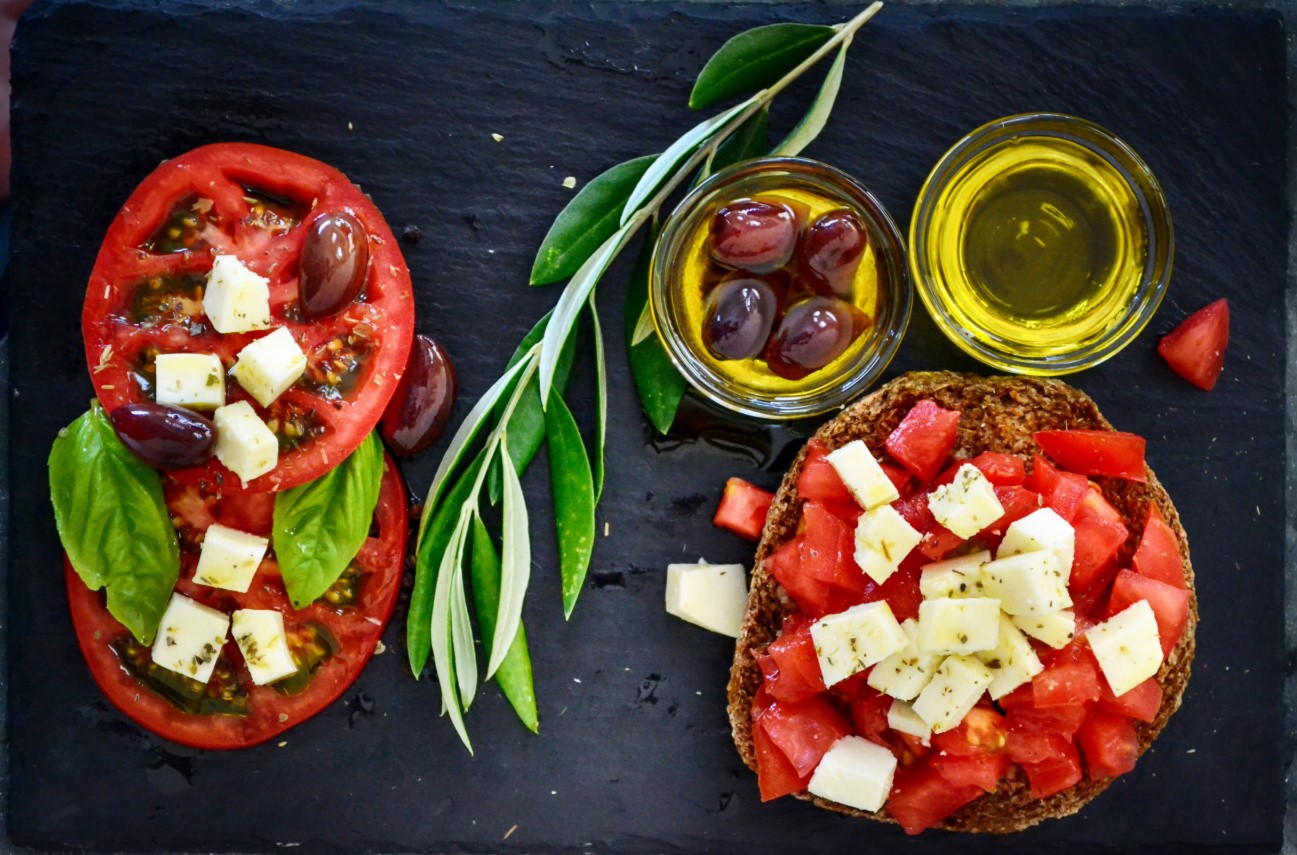
In Cyprus, the Mediterranean diet does not arrive in a carefully labelled box. It is there in the lentils, beans and fresh greens, the fish placed in the middle of the table, the tomatoes that actually taste of tomatoes and the olive oil poured without anybody consulting an app. There is bread, yoghurt, fruit and, naturally, halloumi.
This is the diet now being rediscovered online by travellers who arrive in Europe, eat everything they normally avoid and announce that their bodies have suddenly forgiven them.
On TikTok and Instagram, the story usually involves pasta, gelato and a before-and-after photograph.
Maddy Renne has built much of her online presence around trying to recreate Europe after returning home. Her videos discuss bloating, fatigue, skin problems and the difference she says she feels when eating in France or Italy.
Fitness creator Jill Allen similarly told followers that she lost five kilos during two weeks in Europe while eating pasta, bread and gelato. Richa Prasad reported losing 20 kilos after moving from Seattle to Portugal.
However, the changes they described went beyond food. Meals became slower, snacks less frequent and walking part of the day rather than organised exercise.
Nobody posts a thrilling transformation video entitled “I walked everywhere and stopped eating lunch over my keyboard”. Perhaps the secret is not the bread, but the life surrounding it.
The traditional Mediterranean diet found in Cyprus, Greece, southern Italy, Spain and Portugal is not an unlimited supply of pasta, cheese and wine. Vegetables, fruit, pulses, nuts, whole grains and olive oil sit at its centre. Fish appears regularly, dairy and poultry more moderately, while red meat and sweets are eaten less often.
A kebab does not become a health food because somebody ate it in Mykonos.
That distinction is frequently lost online. A TikTok study examining 200 videos carrying the #MediterraneanDiet hashtag found that most were related to health, but fewer than 9 per cent explained what the diet actually involved.
The genuine version has far stronger evidence behind it. The Spanish PREDIMED-Plus trial followed 4,746 people for six years. Those combining a calorie-reduced Mediterranean diet with moderate exercise and professional support had a 31 per cent lower risk of developing type 2 diabetes, according to the European Research Council.
In other words, the food helped. So did portion control, movement and consistency.
The wider food environment matters too. Research covering 19 European countries found that ultra-processed products accounted for 10.2 per cent of purchased dietary energy in Portugal and 13.4 per cent in Italy. The figure exceeded 46 per cent in Germany and 50 per cent in the UK, according to the European comparison.
In the US, such products provide approximately 53 per cent of adults’ calories and almost 62 per cent of those consumed by young people, according to health data.
Cyprus, however, proves that living beside the Mediterranean offers no automatic protection.
A local study involving 1,140 adults found only moderate-to-low adherence to the traditional diet. Rural residents followed it more closely, while stronger adherence was linked to a lower likelihood of living with several chronic conditions at once.
The OECD also found that 24 per cent of Cypriot 15-year-olds were overweight or obese, compared with an EU average of 21 per cent. Among boys, the figure reached 30 per cent. In addition, 43 per cent of adults were estimated to be insufficiently active.
The island has not run out of olive oil or vegetables. Daily life has changed. Working hours are longer, traffic keeps people in their cars and delivery apps can bring dinner before anyone has considered opening the fridge.
Health Minister Michalis Damianos recognised the shift when the government approved its national strategy on healthy eating and physical activity in October 2025.
Damianos said that “modern lifestyle, the evolution of family structure and the subsequent adoption of new eating habits constitute one of the most serious challenges for public health”.
He added that “data show that in Europe, including in the Republic of Cyprus, more and more children are classified as overweight or obese”.
The national strategy includes better collection of health data, public-awareness work and a national committee responsible for preparing an action plan.
TikTok offers a faster answer. A creator can hold up European pasta, blame unfamiliar ingredients and promise that changing brands will transform somebody’s digestion, skin and waistline. Questions about sleep, stress and portion sizes are rather less cooperative.
Once viewers engage, the algorithm supplies more of the same. Europe becomes a nutritional paradise, while every product at home begins to look suspicious.
A study of 1,000 videos found that almost 44 per cent contained weight-loss content. Only 1.4 per cent were created by registered dietitians.
The algorithm, unlike a Cypriot grandmother, has no particular interest in whether anybody has eaten properly.
Then AI steps in with a personalised Mediterranean meal plan, usually before the kettle has boiled. It can help with recipes and shopping lists, but it remains less dependable when treated as a dietitian.
A 2026 study asked five AI models to prepare 60 meal plans for adolescents. The systems underestimated energy content by an average of 695 kilocalories and produced inconsistent nutrient levels. None reliably matched the dietitian’s plans.
There is a more promising side. Through the EU-funded CoDiet project, researchers are using wearable cameras and AI to identify food, estimate portions and study how diet interacts with metabolism, genetics and gut bacteria.
AI may eventually help us understand the Mediterranean diet better. It cannot give somebody time to cook, make streets easier to walk or return the family to the dinner table. The diet is not a holiday trick, imported flour or permission to eat endless pasta. It is food, movement, moderation and time.



Click here to change your cookie preferences