
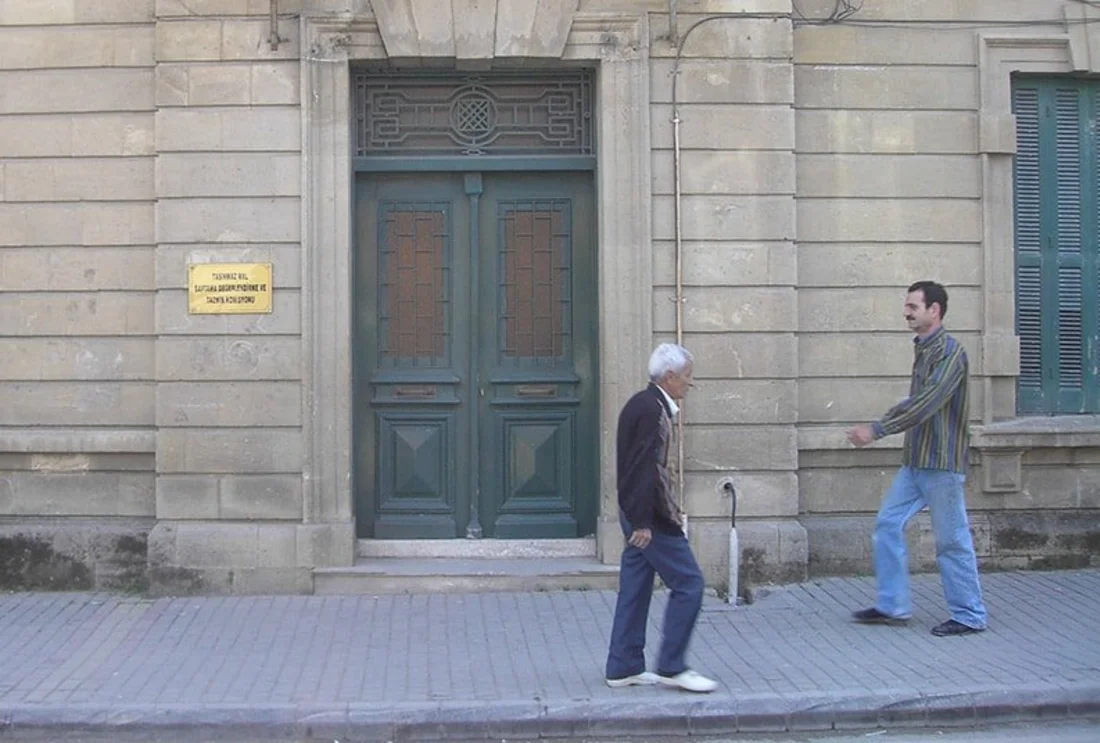
Ever since the establishment of the Immovable Properties Commission (IPC) in the Turkish-occupied north in 2005, by decision of the European Court of Human Rights, Greek Cypriots have been discouraged from submitting applications for compensation. Both politicians and commentators have argued that property owners should not go the IPC and sell off their properties to Turkey as this would help Ankara’s plans and also weaken the position of the Greek Cypriot side at the talks.
There was also an attempt to make people feel guilty for selling off their properties to the occupying force and undermining the Greek Cypriot cause. It was implied, quite absurdly, that these people were acting unpatriotically putting their self interest above the national interest, as defined by all those who were happy for refugees to surrender their properties in the north to the Turks for nothing. That would be the patriotic thing to do according to our political leaders.
Thousands of people went to the IPC regardless. According to the latest figures, by the end of last week, some 8,755 had applied to the commission, 3,952 applications were examined and total of €775 million was paid out. The IPC has been accused of being very slow in examining applications and making very low offers, but the ‘remedies’ it provides are considered acceptable to the ECHR, which means it will carry on taking applications from Greek Cypriot property owners.
To prevent people from going to the IPC, Disy came up with the proposal for setting up a national fund for loss of use of occupied properties, but this has been languishing at House committee since July last year. The government has put together its own plan which it named the special scheme of financial support for owners of occupied or inaccessible properties. That the politicians are considering offering support to property owners 52 years later reflects the general indifference to their plight.
And the only reason they are doing something now is probably because they are not very keen on a settlement that would provide some form of compensation to owners of property in the north. Whether any of these schemes are effective will depend entirely on the compensation the state will be providing. If it is lower than what people expect to receive from the IPC, they would not go for it. They will seek, justifiably, to secure the highest possible price for their property, especially as there will be no settlement and there will be no chance of adequate compensation or return of their property.
The fact is that nobody has the right to sit in moral judgement after 52 years of being served false hopes and empty promises by cynical politicians. They have every right to seek compensation from the IPC, even if this does not have the approval of the political system which has been taking them for a ride for 52 years.





Click here to change your cookie preferences