
Main opposition party Disy and the Chamber of Commerce (Keve) on Tuesday called on the government to clear up ambiguities in its pension reform plan, while a left-leaning trade union warned that the state is preparing to make more concessions to employers and businesses.
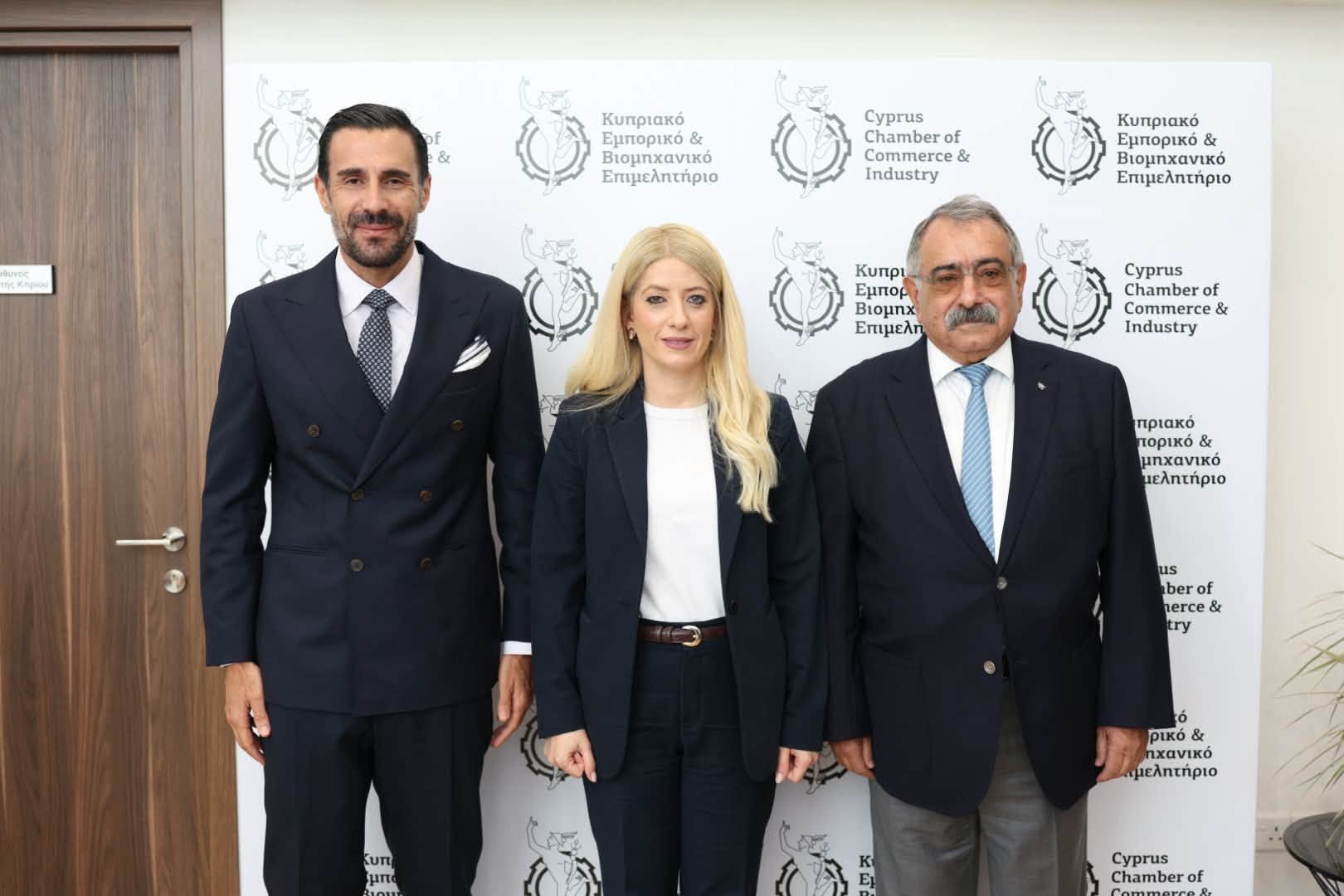
A delegation from Disy, headed by party leader Annita Demetriou, held talks on pension reform with Keve officials.
The talks are part of jockeying for position by interest groups prior to the pension reform bill being tabled to parliament – expected later this month.
Demetriou later told media that Disy focuses on two priority matters: ensuring the long-term viability of the Social Insurance Fund (SIF) without a simultaneous increase in contributions or retirement age.
Retirement age is currently set at 65.
The Disy chief said the government bill contains a number of “vague points”.
Regarding how higher pensions – a key tenet of the government plan – would be financed, Demetriou wanted answers as to where the money would come from.
Keve chairman Stavros Stavrou said they are in favour of a “substantive and fair reform” – but on condition that it’s properly documented and ensures that the SIF remains viable “for many years to come”.
At any rate, he stressed, the changes should not come at the expense of entrepreneurship.
Keve said the proposed reform constitutes a “profound change in the architecture of the pension system, featuring a redistribution between the basic and complementary pension, new categories of contributions and credits, and with significant fiscal ramifications.”
As such, it calls for detailed documentation – the precise relationship between contributions and pension benefits, as well as a “stable and predictable cost for businesses and insured persons alike”.
On the other end, PEO trade union expressed concern over chatter that the government may reduce employers’ contributions to the Redundancy Fund.
The Redundancy Fund is a state mechanism that pays statutory compensation to employees who lose their jobs due to genuine redundancy, provided they have at least 104 weeks of continuous employment with the same employer. The fund is financed entirely by employer contributions set at 1.2 per cent of each employee’s gross insurable earnings.
PEO said the employers’ side has revived its demand to reduce contributions to the fund, using the argument that the fund’s cash reserves are robust.
The trade union recalled that any changes to ‘social funds’ must be the outcome of tripartite agreements – meaning between employees, employers and the state.
“As such, no actions can be set in motion that bypass the trade union movement.”
PEO went on to complain that under the previous administration of Nicos Anastasiades, as well as the current administration of Nikos Christodoulides, concessions to employers “have become the norm”.
It cited as examples the scrapping of the corporation registration fee as well the recent tax reform. On the latter, PEO said the tax cuts “benefited capital more than they did labour”.
Reform of the pension system is being planned for early 2027.
The key goals are to raise the pension amounts for those on the low end, reduce and gradually scrap the 12 per cent ‘penalty’ for those retiring before 65, and potentially cutting back on the pensions for high earners in the private sector.
The first ‘pillar’ of pension reform concerns state pensions; the second concerns provident funds, as well as the cash reserves of the SIF and its investment policy.





Click here to change your cookie preferences