
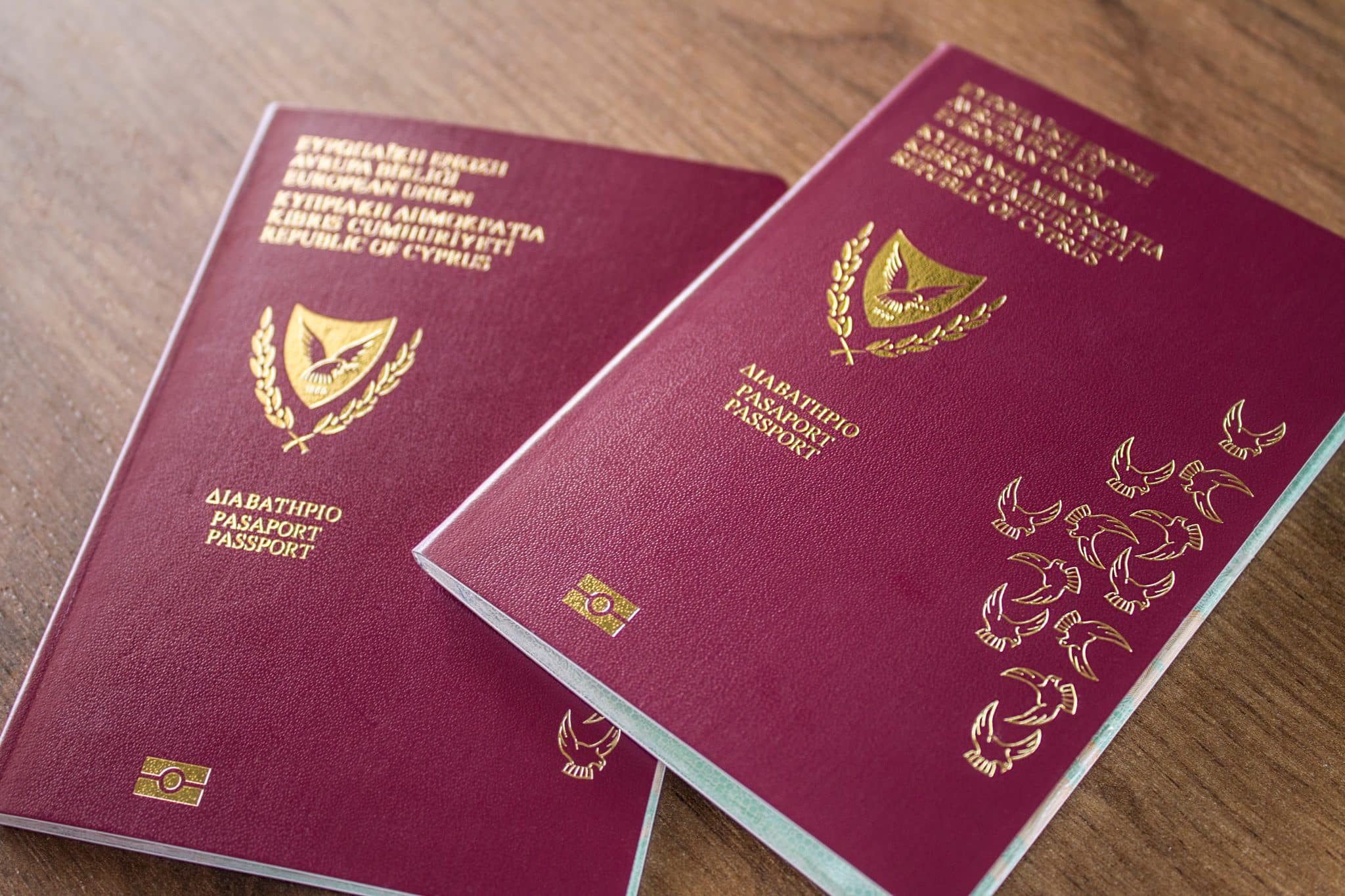
A total of 5,176 Turkish Cypriots have been granted Cypriot citizenship since 2004, figures released by the interior ministry showed on Monday.
A total of 2,972 citizenships, the largest share of the total, were granted between 2004 and February 2007, before the cabinet established formal criteria for approving such cases.
Once the criteria took effect on February 14, 2007, the pace slowed considerably, with only 1,806 citizenships granted up to 2013.
Between 2014 and 2023 the number fell further still, with only 67 citizenships granted.
Since the criteria were revised on February 2, 2024, a further 331 citizenships have been granted.
Applications for citizenship in these cases fall under the civil registry law, which applies to children born in Cyprus to a foreign parent, in most cases a Turkish settler.
Under the law, such cases require cabinet approval before registration can proceed, rather than being processed through standard channels.
The interior ministry said it does not keep a record of pending applications, adding that what is submitted are requests or letters rather than formal applications, and that these are not logged in its system.
The criteria applied by the cabinet, set out in its 2007 decision and revised in 2024, examine whether the foreign parent is a Turkish national or a national of another third country, where the parents married and, in the case that one parent is Turkish, the circumstances of their entry into Cyprus.
The issue of citizenship for Turkish Cypriots and children of mixed marriages relates to Cyprus’ accession to the European Union in 2004, under which Turkish Cypriots residing in the occupied north became entitled to EU citizenship as rightful citizens of the Republic.
While Cyprus joined the bloc, EU law was in effect suspended in the north due to it not being under the effective control of the Republic.
Under the terms of accession, Turkish Cypriots holding Cypriot citizenship are entitled to the same rights as other EU citizens, including freedom of movement and residence across the union, regardless of whether they reside in the government-controlled areas or in the north.
Citizenship applications from Turkish Cypriots and children of mixed marriages have since been handled on a discretionary, case by case basis by the cabinet rather than through standard immigration procedure.
The legality of restricting citizenship under the civil registry law has been tested in the courts, and in a case brought by Eda Hancer, born in Nicosia in 1978 to a Turkish Cypriot mother and Turkish father, the applicant argued that the provision indirectly discriminates against Turkish Cypriots as it turns on the legal status of a parent’s entry or residence.
The Supreme Court unanimously rejected her appeal, upholding an earlier ruling that the article and the criteria adopted by the cabinet did not violate the principle of equality or amount to indirect discrimination.
The court found that granting citizenship is a sovereign act subject to state discretion, not an automatic right even where formal conditions appear to be met, with the only obligation on the state being to ‘act in good faith’.
The provision has drawn sustained criticism from campaigners and affected families, who argue that its application effectively excludes children whose Turkish Cypriot or Turkish parent settled in the north after 1974.
A 2022 review of the issue found that under the criteria set in 2007, exceptions were largely limited to children whose parents married outside Cyprus or whose relationship began independently of the Turkish invasion, leaving many children of mixed marriages unable to obtain citizenship despite having a Cypriot parent.





Click here to change your cookie preferences