
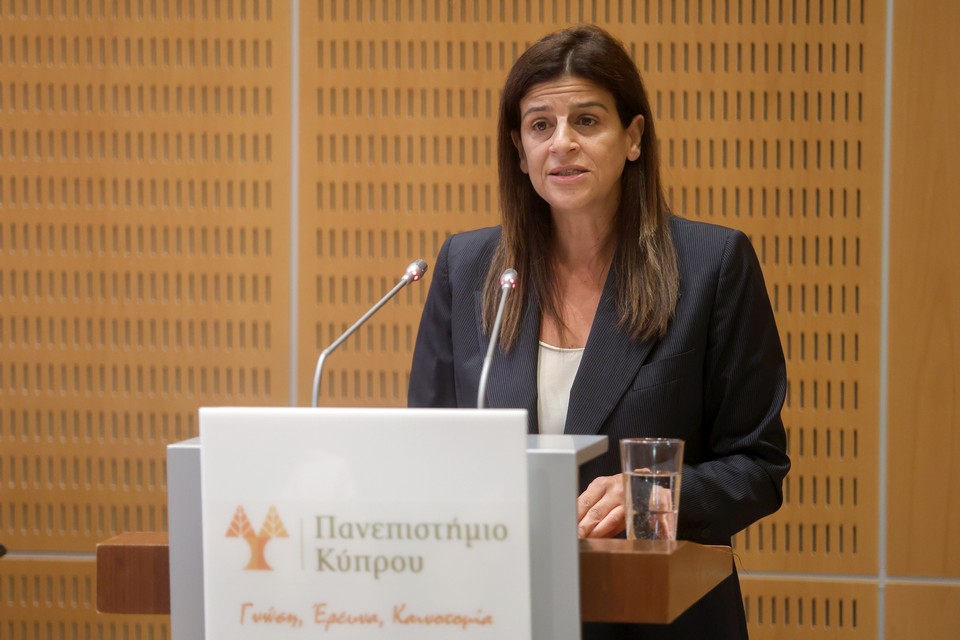
Cyprus businesses should treat the coming pay transparency rules as a commercial opportunity rather than an administrative burden, gender equality commissioner Josie Christodoulou said on Wednesday, arguing that fairer pay systems can help companies attract staff, retain talent and improve competitiveness.
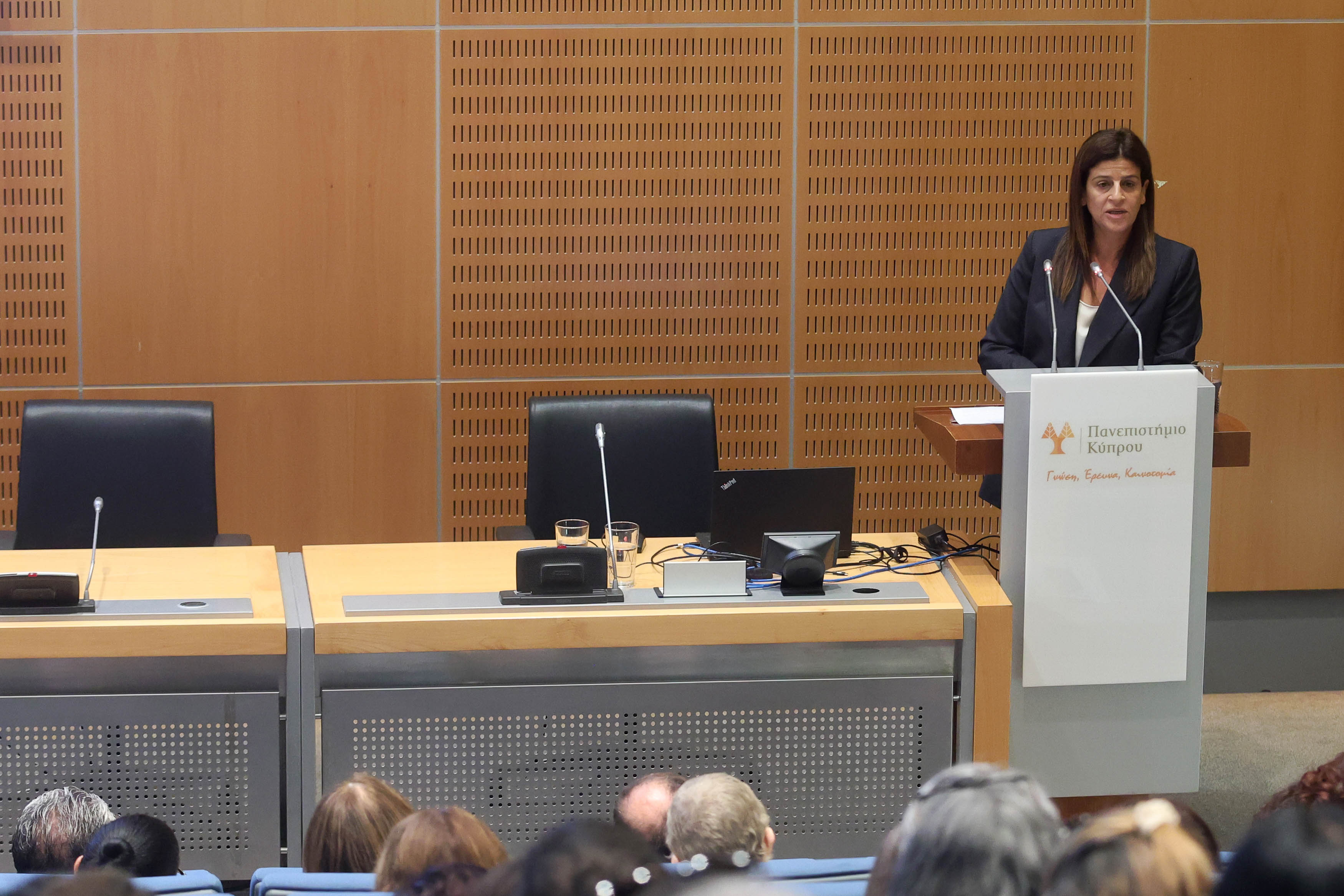
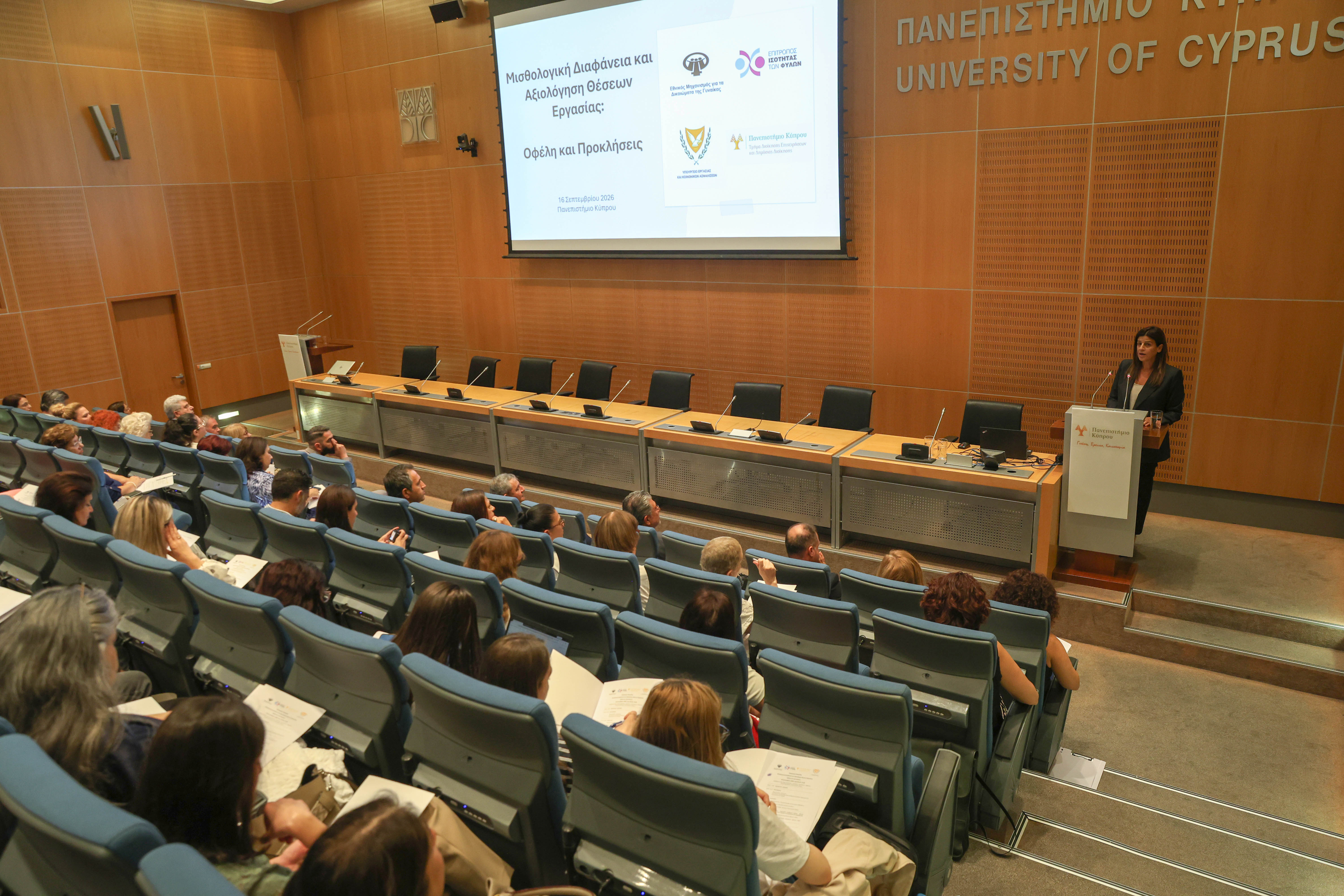
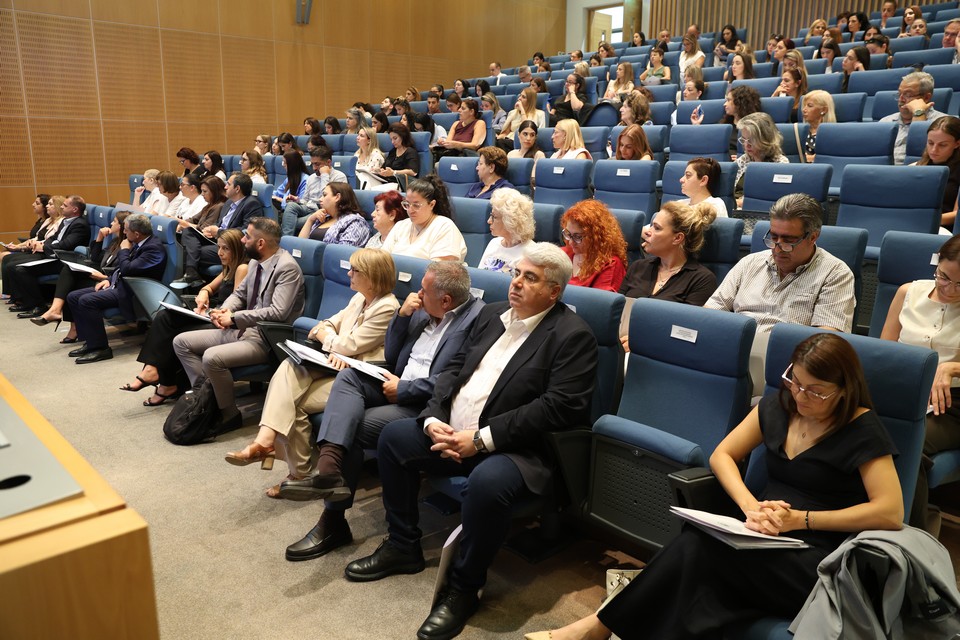
Speaking at a conference on pay transparency and job evaluation at the University of Cyprus in Nicosia, Christodoulou said greater openness over how salaries are set would be central to tackling differences in pay between women and men.
“Businesses should not view pay transparency as an administrative ‘burden’, but as an opportunity,” she said, adding that equality across an organisation could improve employee satisfaction and strengthen both profitability and competitiveness.
The issue is taking on greater practical importance for Cyprus employers as the government prepares legislation to bring the country into line with the EU’s Pay Transparency Directive.
Cyprus missed the June 7, 2026 deadline set by the directive for member states to transpose the rules into national law. Labour Minister Marinos Mousiouttas said earlier this month that the bill is expected to go before the Council of Ministers in September before being submitted to parliament.
A draft law has already been through public consultation and discussions with employers’ organisations and trade unions, while the legislation has also been sent to the legal service for review.
Under the EU rules, workers will have greater access to information about how their pay is determined, while employers will be required to use objective, gender-neutral criteria when setting pay and determining progression.
Job applicants will also have the right to receive information about the initial salary or salary range for a position, while employers will not be allowed to ask candidates about their previous pay.
Larger companies will face additional reporting requirements. Employers with at least 250 workers will have to report annually on gender pay differences, while those with between 150 and 249 employees will report every three years from 2027. Businesses with between 100 and 149 workers will come under the reporting requirements from 2031.
Christodoulou said “transparency was particularly important because pay inequality could not be tackled while the factors behind it remained hidden.”
She linked the gender pay gap to a wider set of inequalities affecting women throughout their careers, including barriers to entering certain professions, progressing through organisations and reaching senior positions, as well as the disproportionate share of caring responsibilities they continue to carry.

Those differences, she said, eventually extend beyond salaries into retirement income, making efforts to reduce the pay gap an investment in women’s longer-term economic security as well as equality in the workplace.
The commissioner also stressed the role of job evaluation, saying clear and gender-neutral criteria for assessing the value of different positions could help companies identify and prevent pay discrimination.
Assessing jobs objectively, rather than relying on job titles or established practices, is also a central element of the EU directive, which requires the value of work to be considered using factors such as skills, effort, responsibility and working conditions.
Christodoulou pointed to Cyprus’ improving labour market as part of the wider picture. According to the latest statistical service (Cystat) Labour Force Survey, female unemployment stood at 3.7 per cent in the second quarter of 2026, down from 4.7 per cent a year earlier.
The overall unemployment rate fell from 4.3 per cent to 3.6 per cent over the same period.
She said efforts under the National Strategy for Gender Equality 2024 – 2026 were aimed at improving equal access to employment and narrowing both pay and pension gaps.
Government measures including tax reform, the planned pension overhaul and policies aimed at making it easier to combine work and family life were also part of that effort, she said.
These include the gradual extension of compulsory pre-primary education from the age of four, optional all-day schools and the creation or expansion of multipurpose and childcare centres.
Christodoulou said “the issue went beyond changes to employment legislation, with the challenge now being to ensure that equality measures could work in practice.”
She also pointed to the Gender Mainstreaming Law, passed by parliament in March, which requires ministries, deputy ministries and the wider public sector to consider how policies and measures may affect women and men differently.
The law also extends gender considerations to the preparation of public policy and the state budget and provides for the systematic collection of gender-disaggregated data.
Christodoulou said “cooperation with employers would remain central to the process”, referring to agreements between her office and both the Cyprus Chamber of Commerce and Industry (Keve) and the Employers and Industrialists Federation (Oev), alongside work with universities and women’s organisations.
“The aim must be clear. Equal opportunities, equal work, equal pay,” she concluded.





Click here to change your cookie preferences