
The planned central prisons at Ayios Sozomenos will be situated well away from the village’s archaeological remains, the justice ministry assured on Tuesday, after a meeting between Justice Minister Costas Fitiris and Deputy Culture Minister Clea Hadjistefanou-Papaellina on preparing a master plan for the site.
Fitiris said particular emphasis had been placed on protecting and promoting the area’s “historical and archaeological character”, with infrastructure confined to the “northern sector of the state plot, at a distance from the archaeological remains”.
The deputy cultural ministry confirmed its agreement with the direction and parameters presented, along with its continued cooperation with the antiquities as the master plan and subsequent stages of the project develop.
The ministry also confirmed plans to relocate the police museum to the former Paphos Gate police station, with the historic building shared between the museum and a series of cultural spaces for artists to be developed by the antiquities department.
The prison site was confirmed only last week after the ministry dropped an earlier plan to build in Mathiatis, citing cost and time considerations, since Ayios Sozomenos already has access to roads, water, electricity and sewage infrastructure that Mathiatis would have required from scratch.
The €300 million facility is intended to house some 1,500 inmates, with construction due to begin next year and completion expected within five years.
The change of site has drawn objections from local authorities and environmental groups.
The municipalities of South Nicosia-Idalion and Latsia-Yeri have called for the decision to be reversed, arguing the area already hosts extensive industrial and agricultural activity, as well as falling within land earmarked for livestock farming under a national plan to rebuild the sector.
Akel and the Ecologists have likewise warned that the site lies within the Natura 2000 network of protected land.
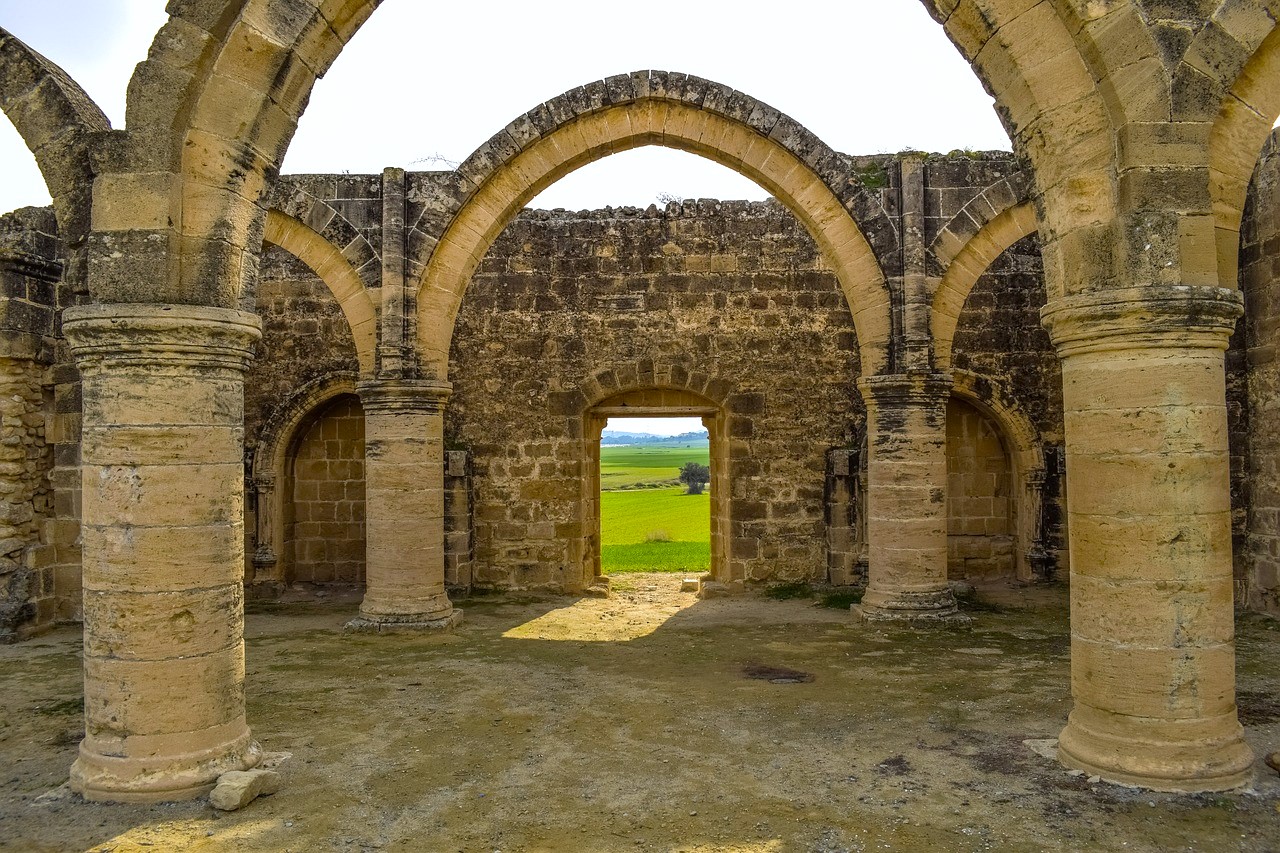
Ayios Sozomenos, near the Green Line, was abandoned following intercommunal violence and contains a Byzantine cave chapel, the unfinished Latin church of Saint Mamas and mud brick remains left by its former Turkish Cypriot residents.





Click here to change your cookie preferences