
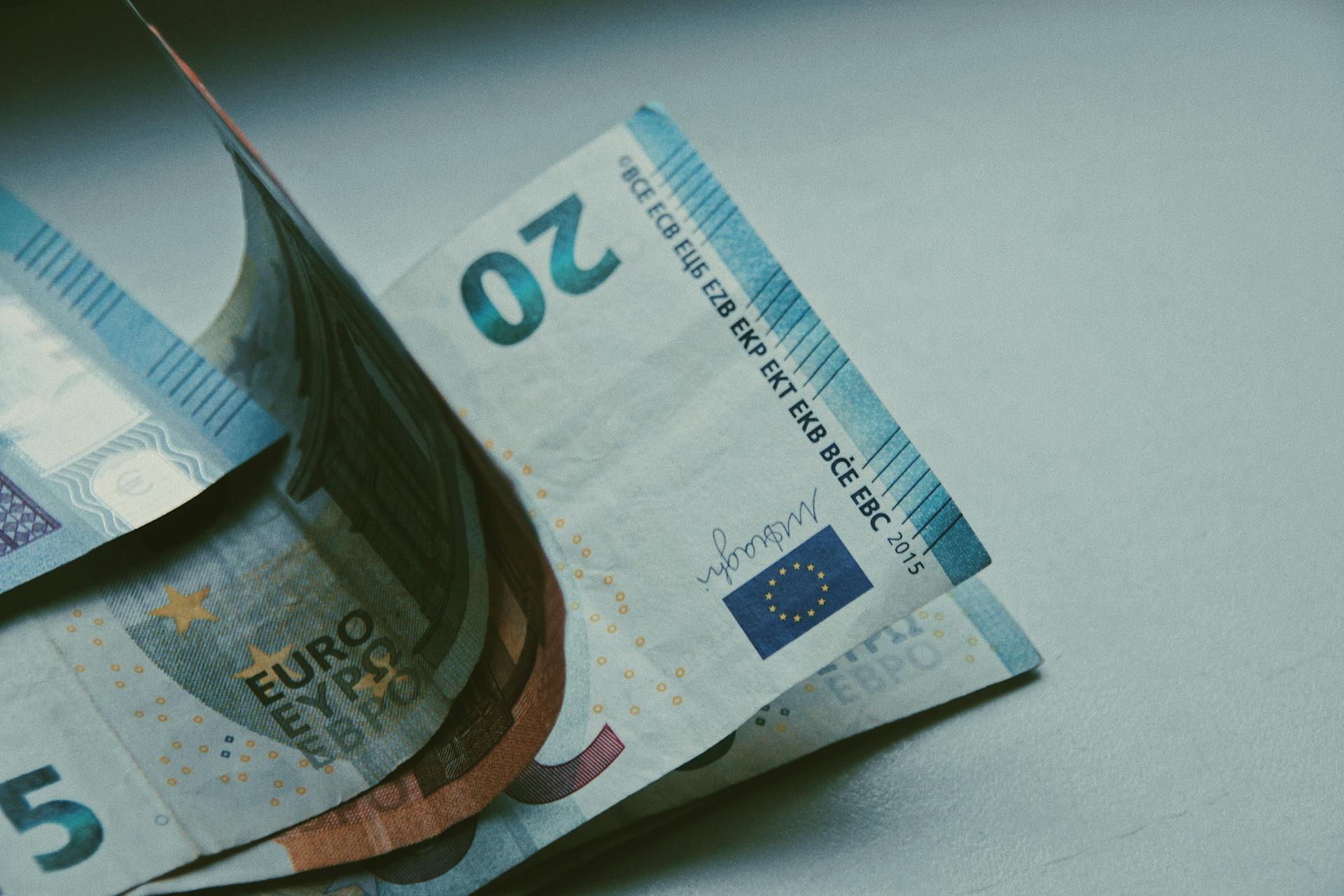
High prices, understandably, have been the main public issue in the last eight months. People are not happy when their standard of living is steadily falling because their disposable income has been eroded by inflation, which is colloquially referred to as “expensiveness.” And it does not look like prices will stabilise any time soon as world oil prices remain on an upward path because of supplies have been hit by the war on Iran and drone attacks on oil refineries in Russia.
Political parties have been demanding action from the government for some time now. Akel has been calling for state intervention to fight the “expensiveness” for many months, while Disy has also joined the fray. On Wednesday Disy issued an announcement about “Dealing with high prices,” and said that “the establishment of inflation will have chain effects with more general price rises that will make a bad situation worse.”
It was up to the government to act. Disy warned: “The longer the government delays taking action, the harder it will be to curb inflation. Continuous supervision and strict monitoring of the market is imperative.” The party added that “a comprehensive plan is needed, with short- and medium-term relief measures, targeted and proportional, for our countrymen that have been most affected and have greater needs.”
These are the same views as those expressed by Akel. The left-wing party also demands strict monitoring of the market and measures to curb inflation although everyone knows that such measures would be more painful for households and businesses. In Cyprus, the parties are under the impression that we can curb inflation by cutting taxes on petrol and electricity and cutting VAT on basic goods. The government has done this for the last year and the rate of inflation has doubled, reaching 4.5 per cent.
Admittedly, the higher costs are imported, but this is the reason the government cannot do anything about it. The price of diesel has soared as has that of jet fuel and this will be reflected in higher prices no matter how closely the government monitors the market. Inflation is tackled not by reducing taxes on fuel and essential goods, but by increasing interest rates and restricting credit, which would reduce consumption. The measures the parties want the government to take may be helpful to low-income families but will not curb the inflation rate – if anything, relief measures would push up prices.
The government said it would discuss the matter at next Wednesday’s council of ministers meeting, when the president will be back from New York. The political pressure for action will be stepped up over the next few days, but it remains to be seen whether the government will have the strength to avoid any new measures that will increase the inflationary pressure.





Click here to change your cookie preferences