
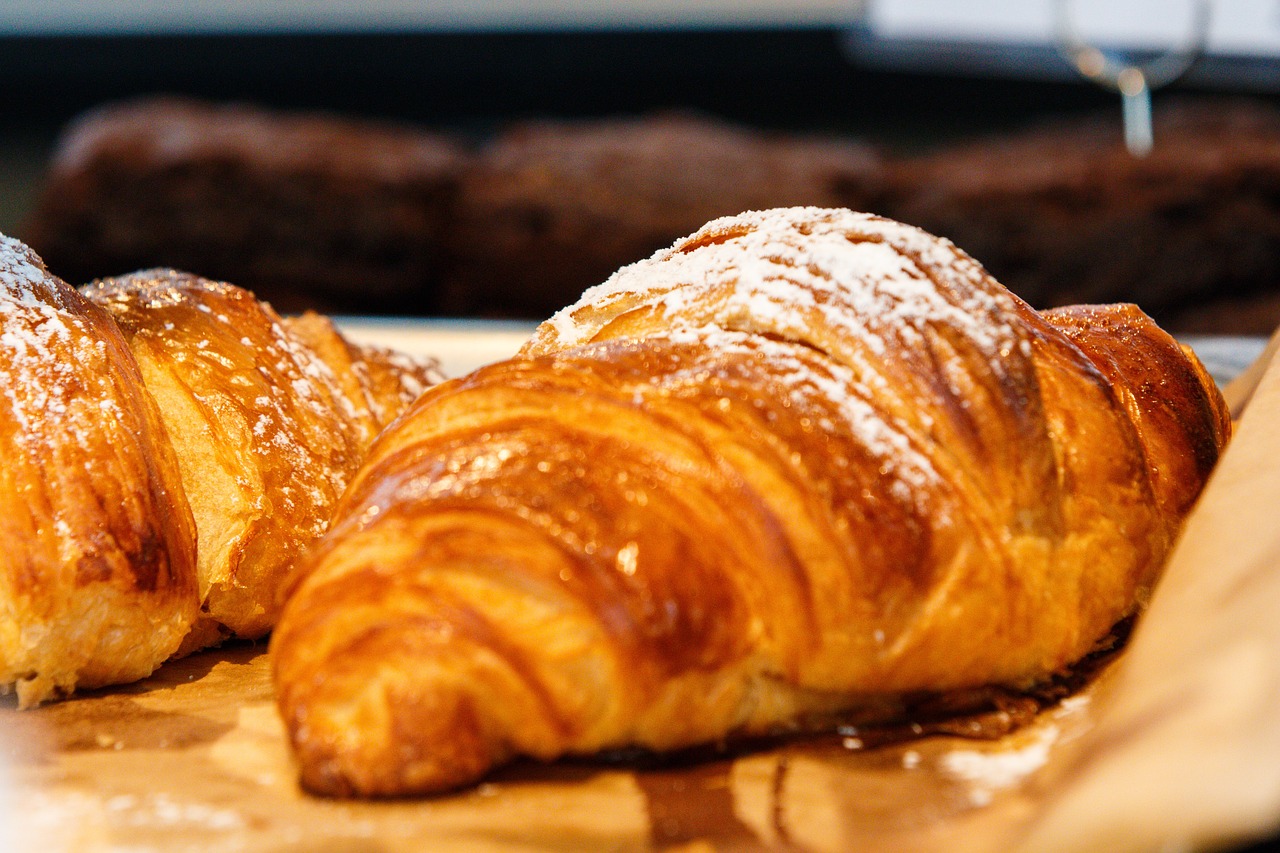
The croissant, the buttery laminated pastry now closely associated with French breakfast culture, has a history that does not start in France but instead in Austria, going through many centuries of culinary exchange and refinement.
The earliest form of this pastry is traced back to the Austrian kipferl, which is a crescent-shaped bread enjoyed since at least the Middle Ages and was traditionally made with a denser dough that sometimes included nuts or spices.
The change into the light and flaky croissant that is recognised as French is typically linked to the 19th century when an Austrian baker named August Zang opened a Viennese bakery in Paris, where he introduced French bakers to the method of laminated dough, which involves folding butter repeatedly into it to create delicate layers that puff up when baked.
This method would eventually be refined in French patisseries, which led to the modern croissant that got its name from its crescent shape and became a staple in Parisian café culture.
Over time, the croissant became a symbol of French baking and was popularised in the 20th century through industrial baking methods and the growth of café culture across Europe and beyond.
The preparation of the croissant evolved further with the use of high butter content doughs that often relied on French butter, which is valued for its richness and specific water content.
Various regional versions appeared across France, including chocolate-filled pain au chocolat and almond croissants, while savoury types filled with cheese or ham reflected contemporary tastes.
Although it is traditionally seen as a breakfast item, the croissant is now enjoyed at various times throughout the day, often paired with coffee or filled as a quick snack.
In Cyprus, croissants have become a common sight in bakeries and cafés, influenced by both French and Greek baking traditions, with local shops offering both classic butter versions and creative fillings that incorporate local flavours such as halloumi, honey or citrus fruits.
Seasonal variations also emerge, especially during festive times, when bakeries try out richer fillings and decorative touches.
The lasting appeal of the croissant comes from its blend of simplicity and technical precision, which requires skill, patience, and careful management of temperature and timing.
Today, artisanal bakers continue to discuss what makes the ideal croissant, trying to balance a crisp outer layer with a soft and airy inside that demonstrates true mastery of the laminated pastry technique.
From its Austrian roots through French development to global acceptance, the croissant continues to change as a representation of craftsmanship and everyday enjoyment in modern baking.





Click here to change your cookie preferences