
Cyprus hospitality sector sees September occupancy surpass 80 per cent
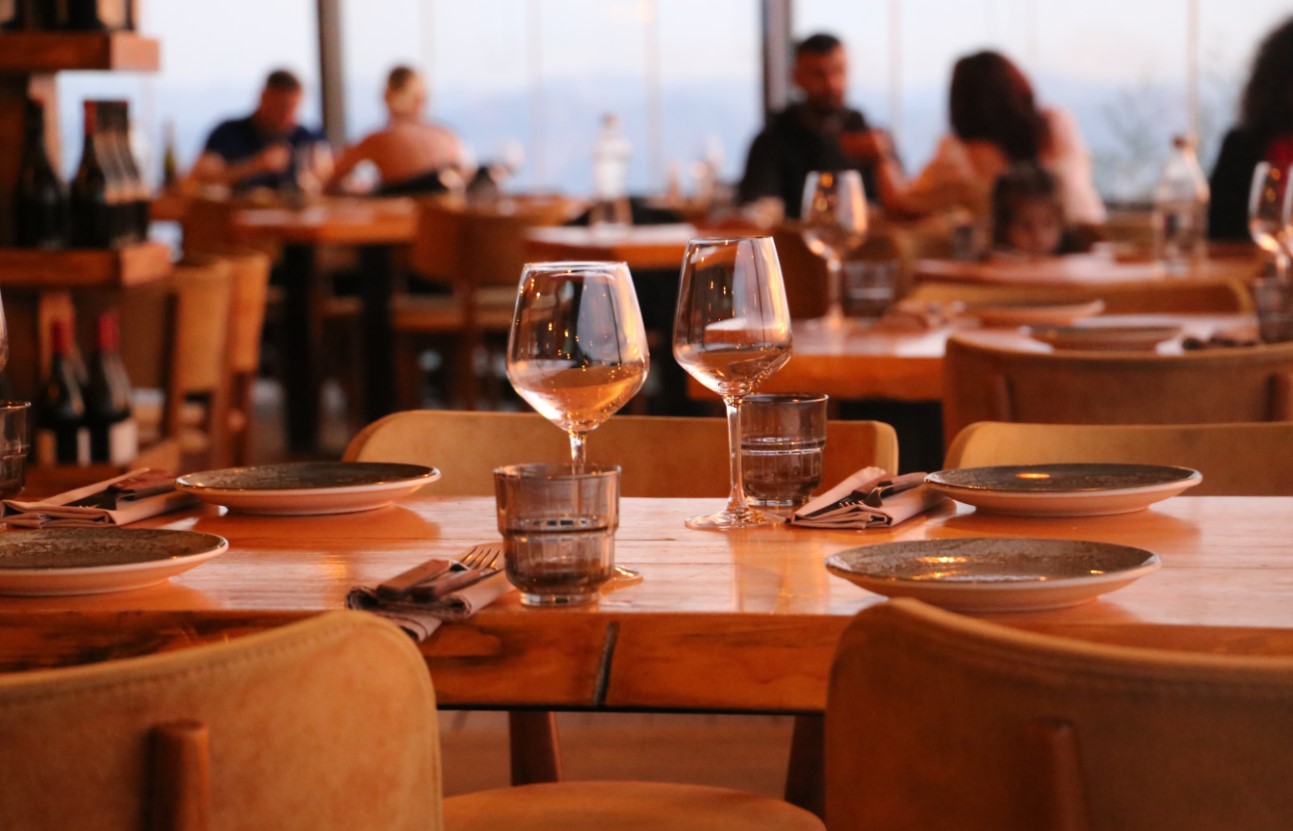
Restaurants and bars across Cyprus recorded occupancy rates of more than 80 per cent in September, with the head of the Cyprus Hospitality Owners Association (Osika) expressing satisfaction with business activity and hoping bookings will continue into October.
Osika president Fitos Thrasivoulou told the Cyprus News Agency (CNA) that September’s figures were encouraging, as the level of business allowed restaurants, bars and other food and drink establishments to remain open and meet their financial obligations.
He explained that the year “had initially looked difficult for the food and drink sector“, but conditions had improved in recent months.
“August business had been supported by Cypriot customers, while September had also proved a good month, prompting professionals across the sector to express satisfaction with their performance,” he added.
Thrasivoulou said the improvement had raised hopes of a further recovery, with the wider tourism and food and drink industries seeking to return to more normal levels of activity.
Looking ahead to October, he reported that last-minute bookings were continuing, expressing hope that the trend would persist.
He stressed that maintaining flights to Cyprus was essential to ensure visitors continued arriving on the island.
Extending the tourist season remains a central goal for the sector, Thrasivoulou said, adding that efforts to achieve this had been under way for years but had yet to produce substantial changes.
He expressed hope that the deputy tourism ministry and the state “would identify suitable measures and incentives to attract visitors from northern European countries during the winter months” and strengthen tourism outside the main season.
Turning to the next tourist season, Thrasivoulou said he “hoped peace and stability would prevail across the wider region”.
“Any instability or armed conflict had a serious impact on the tourism industry of the Republic of Cyprus,” he warned.
He also highlighted tourism’s importance to the country’s economic stability and growth, as well as to the viability of businesses operating in the sector.
Thrasivoulou pointed to rising prices for goods and services, saying that businesses’ fixed costs had increased by 30 to 40 per cent.
“Higher operating expenses continued to place pressure on restaurants, bars and other businesses, making sustained visitor numbers and a longer tourist season increasingly important to help them meet their growing financial obligations,” he concluded.



Click here to change your cookie preferences