
EU allocates €390 million to climate projects, including two in Cyprus
The European Commission is investing more than €390 million in 135 new climate and environmental projects, including two initiatives in Cyprus aimed at protecting wildlife and strengthening biodiversity conservation.
The projects, selected under the European Union’s LIFE programme, will receive more than €390 million in EU funding and mobilise total investment of around €579 million.
“The impacts of climate change, biodiversity loss and unsustainable use of resources are increasingly challenging the prosperity and wellbeing of European citizens,” European Commissioner for Environment, Water Resilience and a Competitive Circular Economy Jessika Roswall said.
The projects cover nature conservation, the circular economy, climate adaptation and mitigation, and the transition to clean energy.
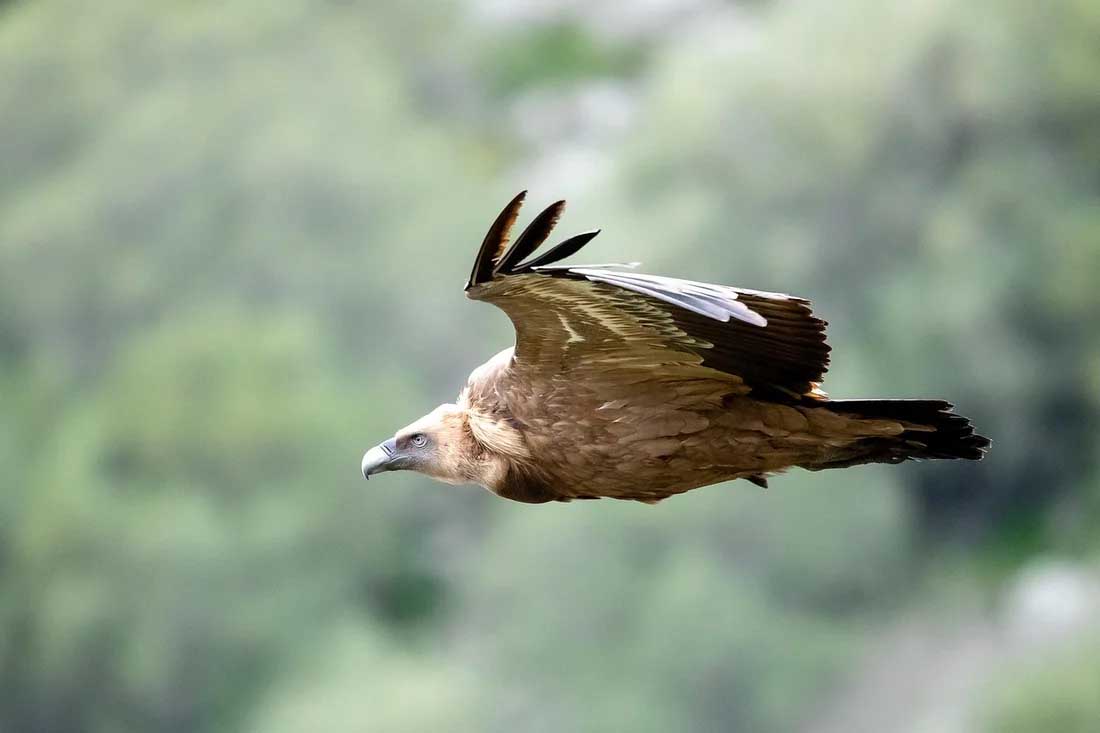
Cyprus will participate in two projects, with one focusing on protecting birds of prey and the other on encouraging communities and businesses to support biodiversity.
The Raptors for LIFE project aims to protect the griffon vulture, Bonelli’s eagle and long-legged buzzard, tackling threats including illegal poisoning and accidental drowning in water reservoirs.
Measures will include retrofitting high-risk power lines, securing reservoirs, providing training and resources, supporting captive breeding and releases, and raising awareness among rural communities.
The second initiative, LIFE BioCommunities, brings together six project partners from Cyprus and Greece to encourage communities and businesses in Cyprus to support biodiversity conservation in Natura 2000 sites.
It will promote citizen engagement and biodiversity-friendly entrepreneurship, while developing a national biodiversity-friendly brand linked to a digital marketplace.
“The quality of the selected projects illustrates the level of determination and professionalism of our partners across the EU,” Roswall stated.
Across the wider programme, more than €223 million will support 29 nature and biodiversity projects, including more than €151 million in EU funding.
A further €163 million will go towards 36 circular economy and quality-of-life projects, with nearly €91 million provided by the EU.
Climate adaptation and mitigation will receive more than €102 million across 26 projects, including over €61 million in EU funding.
The remaining 44 projects will focus on clean energy, with total investment exceeding €91 million and nearly €87 million coming from the EU.
Examples include a €25.8 million Belgian project addressing flood risks in the Dender Valley, an Irish initiative worth €4.4 million to improve protection against rain and storms, and a €5.9 million project to restore Mediterranean ecosystems following wildfires.
In Germany, the €10 million CARENA LIFE project will develop nature-based approaches to carbon removal, while Finland’s €3.4 million LIFE CCC BUILD initiative will explore carbon-storing building materials made from forestry and agricultural residues.
“From nature-based carbon removal and flood protection to post-wildfire restoration and innovative carbon-storing building materials, these projects turn climate goals into practical solutions,” European Commissioner for Climate, Net Zero and Clean Growth Wopke Hoekstra said.
“They help make Europe more resilient to climate impacts, strengthen its competitiveness and reduce its dependence on external resources, while supporting the implementation of EU climate policy,” Hoekstra added.
Clean energy projects include the €15.8 million LIFE EUCF City Facility 3.0 initiative, which will help local authorities across the EU and several neighbouring countries develop sustainable energy investments.
In Portugal, a project worth €733,218 will support energy renovations in buildings owned by social solidarity institutions, while initiatives in Croatia and Denmark will each receive €2.1 million to advance district heating and cooling.
Other projects will address air quality and microplastics, wastewater treatment, hormone-disrupting chemicals and the reduction of fluorinated gases in refrigerated transport.
Roswall said she looked forward to seeing how the selected initiatives would build on existing efforts “to create a resilient society”.
The projects were chosen from a record 1,095 applications submitted under the 2025 LIFE call, with individual budgets ranging from less than €650,000 to more than €15 million.
Funding under the programme increased by 9 per cent year-on-year.
The LIFE programme has co-financed more than 6,700 projects over more than 34 years. Its current funding cycle runs from 2021 to 2027, with a total budget of €5.43 billion, and grants are managed by the European Climate, Infrastructure and Environment Executive Agency.




Click here to change your cookie preferences