
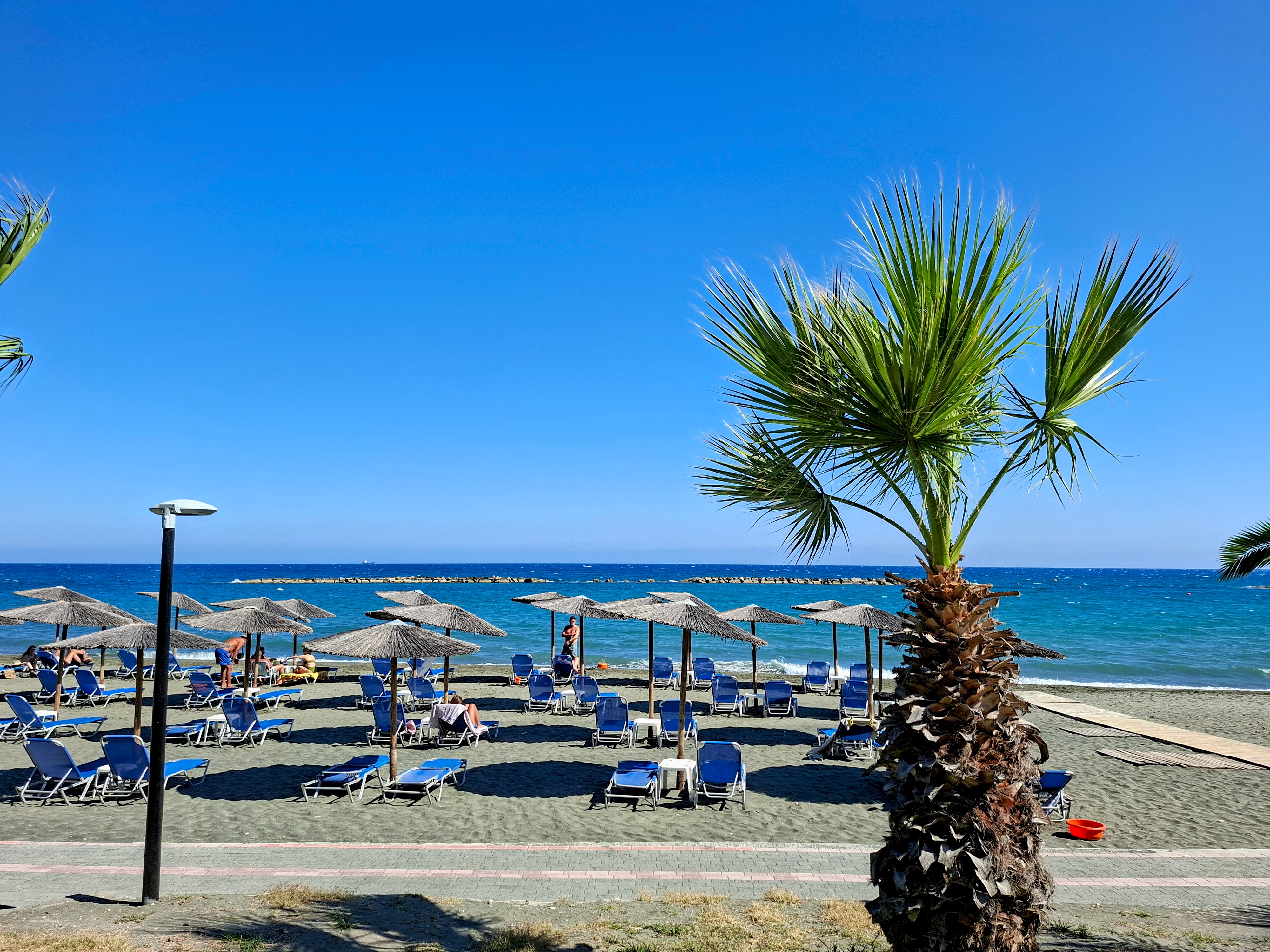
Cyprus is earning more from tourists who are staying for shorter holidays, but new research suggests the island may need to offer considerably more than sunshine and beaches to keep visitors coming back in 2027.
Tourism revenue rose 4.6 per cent to €536.5 million in July, despite arrivals falling by 1.1 per cent. Visitors spent more each day, although their average stay shortened from nine nights to 8.6.
It is an encouraging result for an industry that has spent decades measuring success largely through arrival numbers. The wider picture, though, is rather less comfortable.
Revenue for the first seven months of 2026 fell by 7 per cent to €1.76 billion, while arrivals during the first nine months were 5.6 per cent below last year’s levels.
There is also a worrying comparison with the rest of Europe.
According to Eurostat’s figures, Cyprus recorded a 7.7 per cent decline in nights spent at tourist accommodation during the first half of 2026, the steepest fall in the European Union.
Malta, by comparison, recorded a 9.9 per cent increase, while accommodation nights across the EU rose by 1.7 per cent.
The figures also emphasise how dependent Cyprus remains on international visitors. Foreign tourists accounted for 92.6 per cent of all nights spent in the island’s tourist accommodation during the period, one of the highest proportions in Europe.
And with holidaymakers becoming increasingly particular about where they go, what they do and how they spend their money, the pressure on Cyprus to remain competitive is unlikely to disappear.
New research from Booking.com offers an interesting glimpse of what could be coming next.
Its latest travel predictions, based on responses from 28,230 people across 32 countries and territories, found that 81 per cent would choose a destination according to how they want to feel, rather than simply where they want to go.
Another 76 per cent would consider using technology that recommends destinations according to their mood.
For Cyprus, where much of the industry has traditionally been built around beach holidays and established European markets, the findings could have important commercial implications.
Travellers are increasingly looking for something beyond the usual hotel-and-beach routine.
Almost three quarters, 74 per cent, expressed an interest in culinary experiences, including learning regional cooking techniques. Another 68 per cent were attracted to traditional crafts such as pottery, textiles and wood carving.
That sounds like encouraging news for the island’s villages, wineries, family-run restaurants and smaller tourism businesses.
Cyprus already has seven established wine routes, taking visitors through traditional communities, vineyards and wineries, from the Commandaria region to the villages of Paphos and the Troodos mountains.
The difficulty is not necessarily finding something different to offer. It is making those experiences easy for visitors to discover, organise and book.
For hoteliers and tour operators, this could mean working more closely with local businesses, particularly outside the main tourist resorts.
And there may be money to be made from visitors who want to explore rather than spend their entire holiday within a hotel complex.
Price, however, remains a deciding factor. Booking.com’s findings show that half of travellers have reconsidered whom to invite on holiday because of differences in spending expectations, while 51 per cent have experienced disagreements during a trip over money.
Another 66 per cent would prefer packages allowing them to remove services they do not expect to use.
That could be particularly interesting for Cyprus’ all-inclusive hotels, where the traditional appeal of paying for everything in advance may face competition from customers wanting greater flexibility.
Health and wellbeing are becoming increasingly important too.
The research found that 67 per cent of travellers had allowed changes in their health, lifestyle or physical wellbeing to influence their holiday choices.
Some 79 per cent considered healthier hotel food options important, while 85 per cent admitted returning from holidays feeling more tired than when they left.
For Cyprus, that could create opportunities for smaller hotels, wellness retreats, walking holidays and countryside accommodation, particularly outside the busy summer months.
But there is another important consideration for the industry. Not all tourists spend their money in the same way.
The latest Statistical Service (Cystat) figures show that visitors from Israel spent an average of €158.19 per day in July, compared with €110.46 for British tourists and €92.27 for Polish visitors.
The length of stay tells a different story.
British tourists spent an average of 10.3 nights in Cyprus, compared with 4.7 nights for Israeli visitors.
As a result, the average British visitor spent €1,137.69 during their stay, considerably more than the €743.49 recorded for visitors from Israel.
The distinction matters for hotels, restaurants and other tourism businesses trying to understand which markets generate the greatest economic benefit.
It also raises questions about whether Cyprus should place greater emphasis on attracting longer stays, increasing daily expenditure, or finding a better balance between the two.
The latest arrival figures offer some encouragement.
September brought 580,889 tourists, a 1.8 per cent increase from a year earlier and the island’s best September on record.
Nevertheless, arrivals for January to September stood at 3.4m, down 5.6 per cent from the corresponding period of 2025.
The British market remains particularly important, accounting for 31.7 per cent of September arrivals, followed by Israel with 18.1 per cent.
There are already concerns about next year. Paphos hoteliers association president Evripides Loizides warned earlier this month that advance bookings for 2027 through Britain’s three largest tour operators were running 20 to 30 per cent below the corresponding levels last year.
These are early booking figures rather than a forecast for the whole season, but they underline the difficulties facing an industry exposed to household spending pressures, international uncertainty and growing competition.
The changing international travel market presents opportunities of its own, although winning over new visitors will not be straightforward.
An October 14 European travel survey found that 34 per cent of respondents across seven major overseas markets intended to visit Europe between September and December, down from 38 per cent a year earlier.
Among those planning to visit, however, 53 per cent would be travelling to Europe for the first time.
Perhaps more interestingly, 66 per cent planned to visit at least two European countries during the same trip, with the average itinerary covering 2.7 countries.
For Cyprus, attracting these travellers could be more difficult than for destinations connected by Europe’s extensive rail and road networks.
Air connections, travel costs and the ease of combining the island with other destinations will therefore matter, particularly for visitors from Asia and North America.
The longer-term outlook remains promising.
The World Travel & Tourism Council expects international arrivals to Europe to reach 1.14bn by 2036, compared with 757.3m in 2025.
The sector’s contribution to the European economy is forecast to reach $3.8 trillion, supporting more than 50m jobs.
However, the organisation argues that destinations should increasingly measure success by the economic benefits tourism generates, rather than simply the volume of arrivals.
It has also called for stronger investment in connectivity, better management of visitor flows and measures to address the environmental pressures facing Mediterranean destinations.
For Cyprus, the policy implications are becoming increasingly difficult to ignore.
Tourism Deputy Minister Kostas Koumis presented a €59.4m budget for 2027 to parliament on October 23, with approximately 62 per cent allocated to promoting the island and improving its tourism offering.
He also pointed out that the decline in arrivals had narrowed considerably, from 17.9 per cent at the end of April to 5.6 per cent by September.
The recovery is welcome, but the question now is how to build on it without relying almost entirely on the familiar summer holiday market.
That could mean bringing more visitors to mountain villages, giving smaller businesses a greater share of tourism spending and making Cyprus attractive for holidays that have little to do with lying beside a swimming pool.
It could also mean encouraging visitors to come outside the traditional summer season, when many hotels and tourism businesses struggle to maintain demand.


Click here to change your cookie preferences