
Senior business positions still a man's world, says Christodoulou
Women had an ownership stake in 30 per cent of Cypriot firms surveyed by the World Bank in 2024. Just 8.48 per cent had a woman in the top job, less than half the rate across Europe and Central Asia.
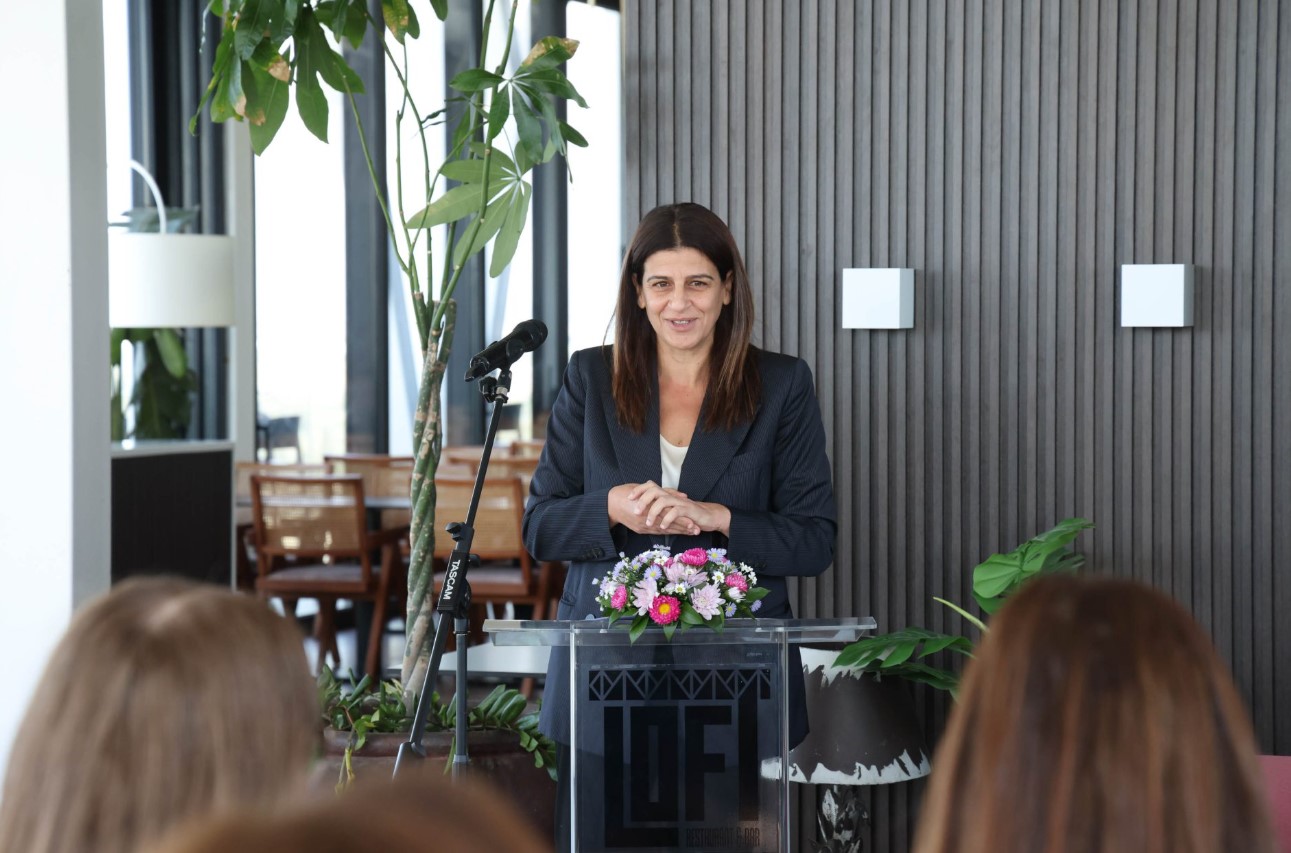
Cyprus’ gender equality commissioner Josie Christodoulou cited those figures in Nicosia on Monday as she called on employers to make hiring and promotion fairer, prevent harassment and pay women and men equally for work of equal value.
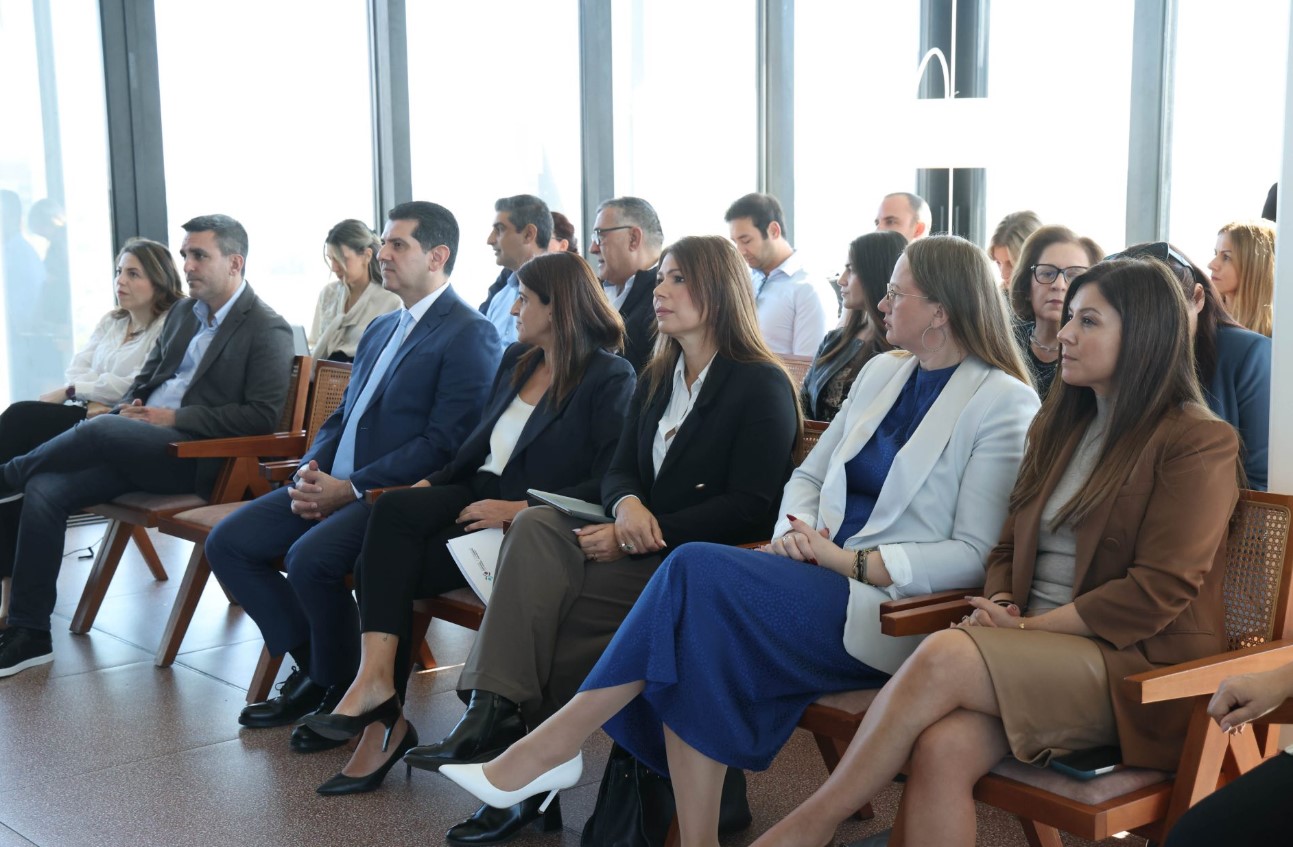
Speaking at the commerce ministry’s ‘She Means Business’ event, she also called for women to have the same access to finance, training and business networks when starting a company or trying to grow one.
The figures show how representation narrows at the top. Women held 27.5 per cent of senior and middle management jobs in Cyprus in 2024. In tech, an EU-backed study found that just 14.5 per cent of the 152 Cypriot companies it examined had at least one woman founder. Across Europe, start-ups with at least one woman founder received 12 per cent of venture capital funding in 2024.
Christodoulou said better access to investment mattered both when women set up a company and when they wanted to expand it. The aim, she said, was for more women to be able to “turn their innovative ideas into viable and competitive businesses”.
Two bills would change how companies recruit and appoint people. One would bring Cyprus into line with EU pay transparency rules, giving job applicants the right to know the starting salary or pay range before an interview and barring employers from asking what they earned in previous jobs.
In Cyprus’ private sector, women earned 20.8 per cent less per hour on average than men in 2024, according to Eurostat. The overall gap was 11.8 per cent, compared with 11.1 per cent across the EU.
The second bill deals with who gets a seat on company boards. Approved by Cabinet in July and taken up by a parliamentary committee in September, it sets a 33 per cent target for the underrepresented sex across executive and non-executive seats at large listed companies. Firms that fall short would have to assess candidates against clear, gender-neutral criteria.
Christodoulou put women’s representation on boards and in decision-making roles at 11 per cent. The European Institute for Gender Equality (EIGE), which tracks board seats at the largest listed companies, put the figure for that group at 9 per cent in its first 2026 snapshot, compared with 36 per cent across the EU. Christodoulou said “who sits on a board matters because directors help decide where companies invest and how they grow.”
Access to training also depends on where women live. Under the national gender equality strategy, 228 women in rural areas received digital skills training over the past two years, while 85 women attended four seminars on agricultural entrepreneurship.
Christodoulou’s office is also working with the Cyprus Chamber of Commerce and Industry (Keve), the Employers and Industrialists Federation (Oev) and the Cyprus Scientific and Technical Chamber (Etek) to put equal opportunity into practice at work.
For women with children, Christodoulou said, taking on a disproportionate share of care can limit their chances of progressing at work. Cyprus has extended maternity leave for a first child by four weeks, expanded the parental leave allowance for self-employed parents and extended parental leave eligibility until a child reaches 15.
By summer 2027, the government expects 1,706 childcare places to have been created in 21 communities and municipalities.
Christodoulou called for men to take an equal share of family responsibilities and for employers to help make that possible. “Care is a shared responsibility,” she concluded.

Click here to change your cookie preferences