
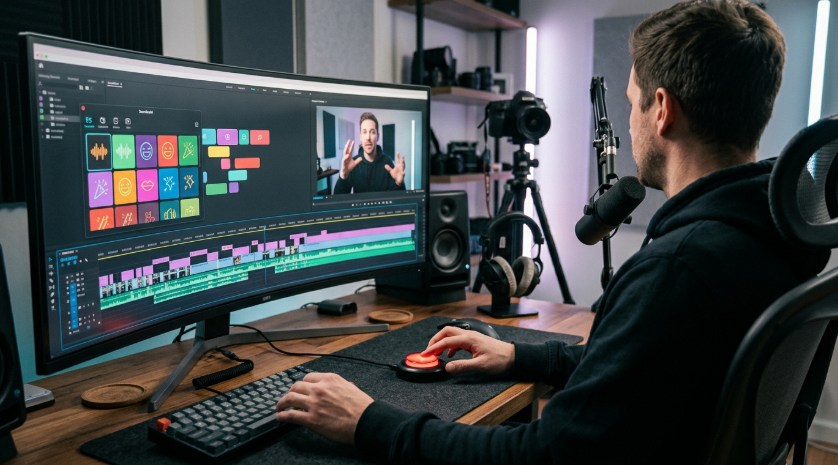
A video often has only a few seconds to prove it is worth watching. Viewers decide almost instantly, and a flat opening sends them scrolling. Creators who understand this pay close attention to every early beat, including sound.
Sound buttons give them an easy way to make those beats count. A sudden vine boom, a dramatic drum roll, or a well-placed laugh adds energy without reshooting anything. These short clips help jokes land, reveals hit harder, and edits feel more alive. That is why so many creators now treat sound as a core part of their content.
Why are content creators paying more attention to sound?
For years, many creators focused mostly on visuals. Lighting, camera angles, and thumbnails got most of the attention. Sound often came last, added only if there was time.
That changed as short-form platforms took over. TikTok, Instagram Reels, and YouTube Shorts made trending sounds part of the culture itself. Viewers now expect audio to carry jokes, reactions, and emotion. A video with flat or missing sound can feel unfinished, even when it looks great.
Creators also noticed that sound is one of the cheapest ways to improve a video. A reaction clip costs nothing and takes seconds to add. Few other edits make such a big difference for so little effort.
How do sound buttons fit into a creator’s editing routine?
Most creators follow a similar editing routine. They cut the footage, add captions, and then look for spots where the energy dips. Those flat moments are where viewers start to drift. To fix them fast, creators can turn to free sound hubs like soundbuttonslab.com, which offer sound buttons, meme sounds, and reaction sounds for video edits that play with one tap. A vine boom, a record scratch, or a sitcom laugh can be tested in seconds before it goes on the timeline.
Speed matters in this routine. Creators often publish several videos a week, so every step needs to be quick. Tapping through sound buttons lets them hear options right away instead of downloading and testing files one by one. The best fit goes straight into the edit.
Over time, many creators build a small set of go-to sounds. The same clip for fails or big reveals becomes a signature that fans recognize. That consistency helps a channel feel familiar from one upload to the next.
Which moments in a video need a sound?
Not every second of a video needs sound. The biggest impact comes from placing effects at a few key moments. These four deserve the most attention:
The opening hook
The first few seconds decide whether viewers stay. A sharp sound right at the start, like a record scratch or a dramatic sting, grabs attention fast. It signals that something interesting is about to happen. Keep it short so the content takes over quickly.
Punchlines and fails
Jokes and mistakes are where reaction sounds shine. A vine boom after a wild line or a sad trombone after a fail tells viewers exactly how to react. Line the sound up with the moment, not a beat late. Timing turns a small laugh into a big one.
Transitions and section breaks
Longer videos need clear breaks between topics. A quick whoosh or ding marks a shift and helps viewers follow along. These subtle sounds make edits feel smooth instead of choppy. They also give viewers a tiny reset before the next section begins.
Endings and calls to action
A strong ending leaves viewers with a good feeling. Applause or a cheerful sound can close a video on a high note. Pairing that sound with a reminder to subscribe or follow makes the request feel friendly, not pushy.
How does sound change what viewers see?
Sound does more than add mood. It can actually change what viewers think they see. In a study by Ladan Shams, Yukiyasu Kamitani, and Shinsuke Shimojo, people saw a single flash of light paired with several quick beeps. Many reported seeing multiple flashes, even though only one appeared.
That finding shows how closely the brain links what it hears with what it sees. For creators, it means a sound can make a moment feel bigger, faster, or more dramatic than the footage alone. A punch sound makes a light tap feel like a hit. A whoosh makes a simple cut feel like fast motion. Sound shapes the whole viewing experience.
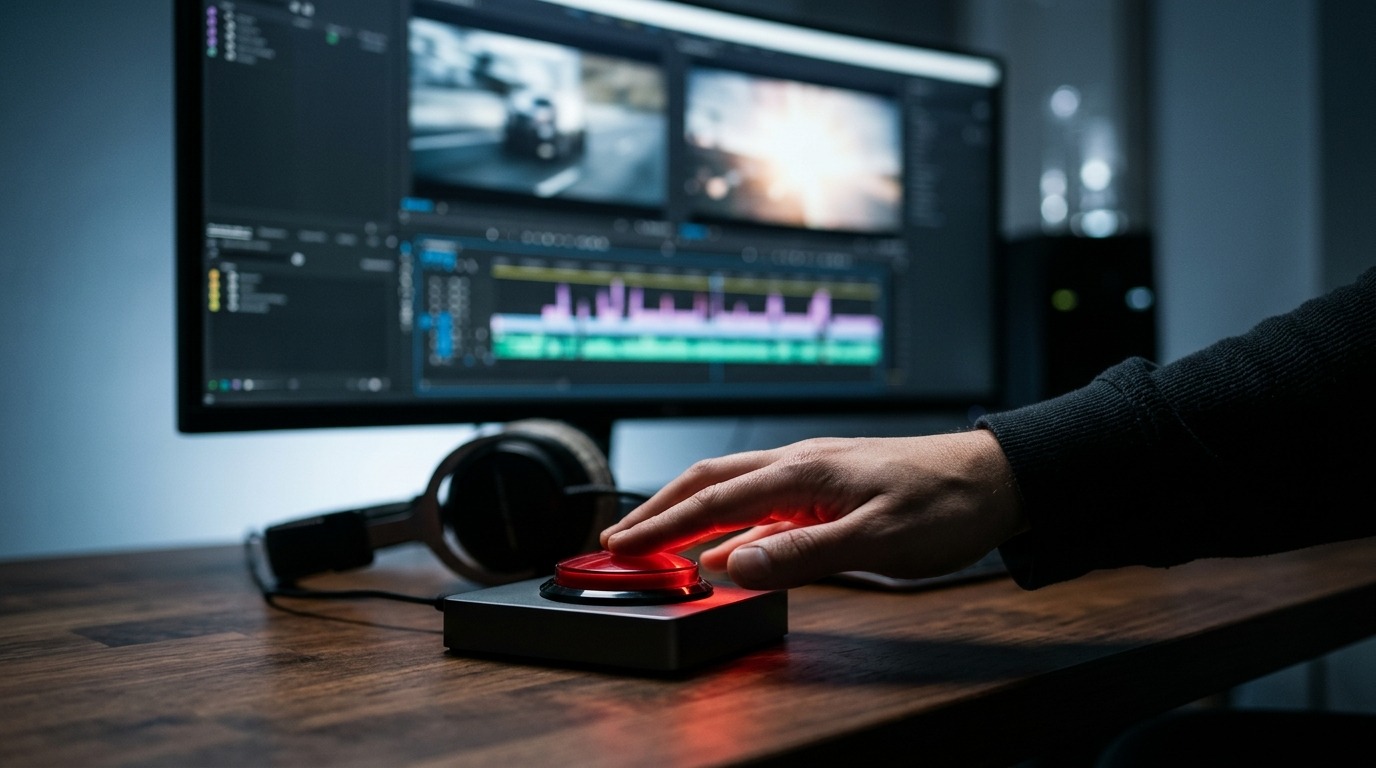
Why do funny sounds help viewers remember videos?
Funny moments do more than entertain. In research by Stephen Schmidt, people remembered humorous sentences better than ordinary ones. Humor seemed to make information stand out and stick in memory.
Creators can use that effect on purpose. A well-timed meme sound can turn an ordinary moment into the part of the video people quote later. Viewers who remember a funny moment are more likely to return to the channel. They may also mention the video to friends, which helps new viewers discover it. Sound buttons make adding that humor fast and simple.
How can creators keep sound effects from feeling overused?
Sound effects lose their power when they appear everywhere. Viewers start tuning them out, or worse, find them annoying. A few simple habits keep sounds fresh:
- Save loud reactions for the biggest moments in each video.
- Rotate between several sounds instead of repeating one favorite.
- Keep effects quieter than your voice so speech stays clear.
- Check usage rights before adding sounds to monetized videos.
The goal is to support the content, not cover it. When every sound has a reason, viewers notice the moments that matter. Watch each finished edit once on a phone to check the balance.
DISCLAIMER – “Views Expressed Disclaimer – The information provided in this content is intended for general informational purposes only and should not be considered financial, investment, legal, tax, or health advice, nor relied upon as a substitute for professional guidance tailored to your personal circumstances. The opinions expressed are solely those of the author and do not necessarily represent the views of any other individual, organization, agency, employer, or company, including NEO CYMED PUBLISHING LIMITED (operating under the name Cyprus-Mail).





Click here to change your cookie preferences