
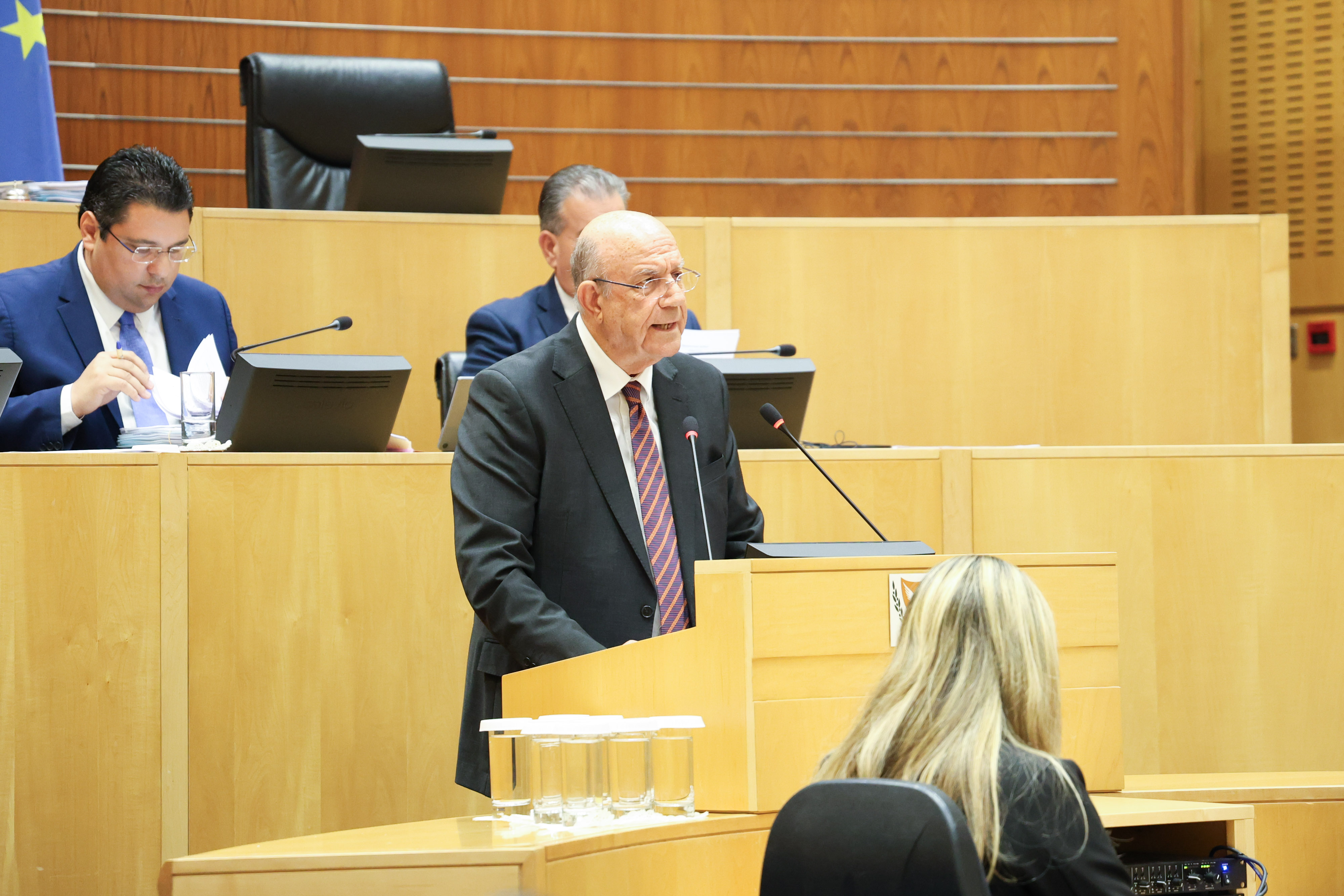
Finance Minister Makis Keravnos on Thursday called on MPs to pass the 2026 state budget, describing it as “an investment in the future of our country”.
In a speech at the House plenum, Keravnos said that via the budget the government aims to further boost growth “in the context of a balanced development, while also retaining a strong people-centred element”.
The government’s objective is to pursue a policy of economic growth benefiting as many people as possible, without exclusions.
Despite challenges and uncertainties – such as the ongoing crisis in Ukraine – the minister asserted that the Cyprus economy will remain resilient and retain “its momentum, with strong growth, low unemployment and healthy public finances”.
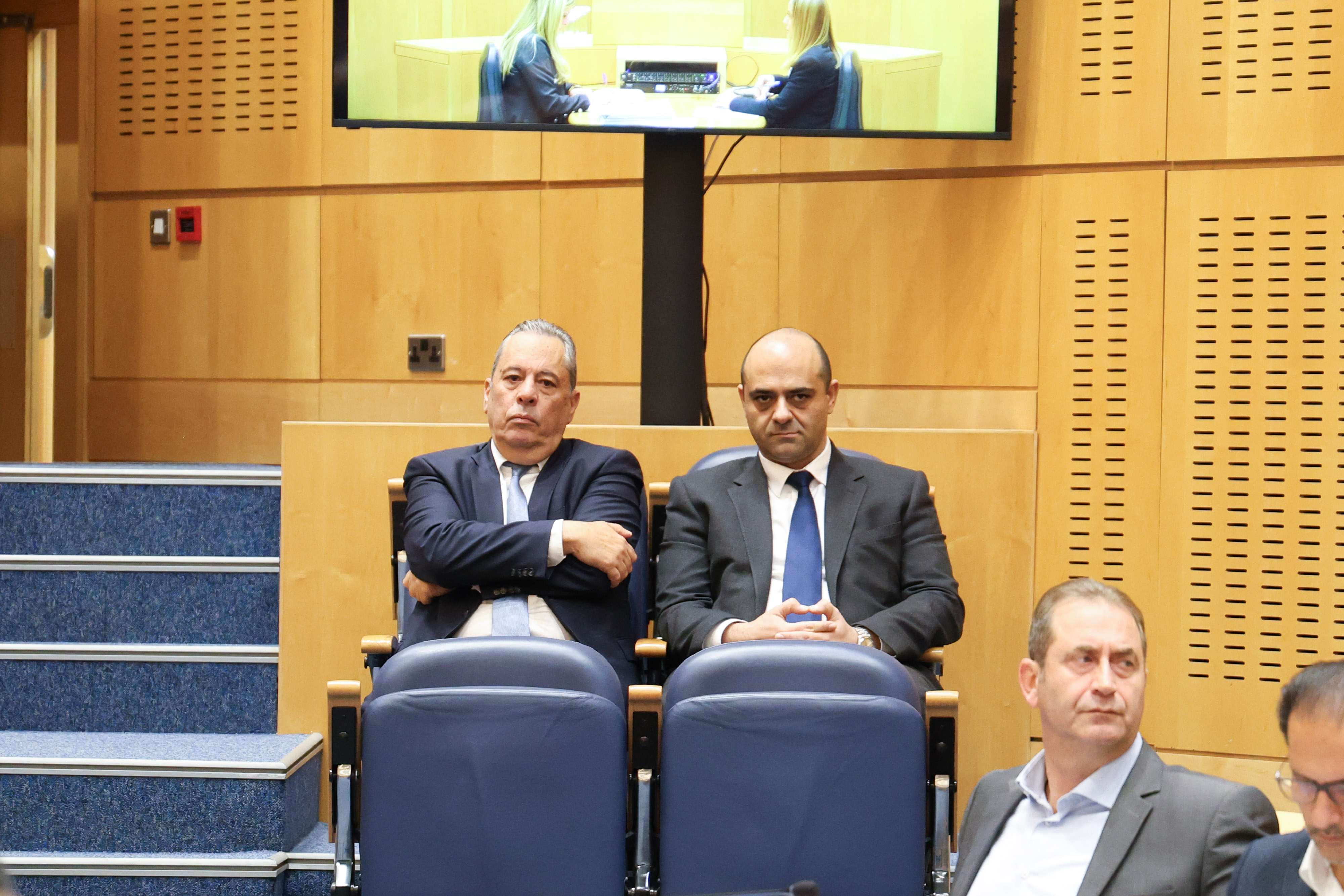
As is customary, the finance minister gave his budget speech at the last regular session of the plenary for this year. The budget itself will be debated and voted on during an extraordinary session of the plenary scheduled to take place from December 15 to 17.
Ahead of the vote, Keravnos appealed to MPs to pass the budget and to think of it “as an investment in the future of our country – a stable, creative and optimistic future for people, businesses, and for future generations”.
The state’s 2026 balance sheet provides for primary expenditures of €10.7 billion – a five per cent increase on 2025. Development spending will be 4.7 per cent higher compared to this year, while social spending will go up by 6.7 per cent.
Over the next three years – 2026 to 2028 – the government plans to spend an estimated €6.82 billion on supporting vulnerable groups, students, children, patients and people with special needs.
Citing some statistics, the minister said that GDP growth for 2026 is projected at 3.1 per cent.
The unemployment rate is forecast to stay low, at around 4.6 per cent in 2026 as well as in 2027.
Inflation is expected to stabilise around 2 per cent over the next three-year period.
In 2026 the budget surplus will register at 2.9 per cent of GDP.
“Maintaining budget surpluses into 2026 is expected to contribute positively to shaping the government’s financing plan, and as a result the public debt to GDP ratio will continue to fall,” said Keravnos.
The government projects that in 2026 the debt to GDP ratio will settle at 50.9 per cent, down from 55.3 per cent this year.
This would outperform the initial plans, which foresaw bringing the ratio down to 60 per cent by the end of 2026.
On the funds which Cyprus can tap from the Recovery and Resilience Facility, the minister said that to date €568 million has been received across five tranches.
Regarding the contentious issue of the public payroll, during 2026 it will account for 27.5 per cent of the entire state budget – down slightly from 28 per cent this year.
During 2026, the government plans to create 611 positions in the public sector and scrap 625.
Next the minister addressed the tax reform, which the administration is keen on having passed before year’s end.
Keravnos asserted that the overhaul of the tax system will reduce the tax burden on households and families with children, giving a boost to the middle class, promoting women’s employment and enhancing opportunities for home ownership.
“It is a new, fairer tax system,” he said, “which will boost the real economy and the competitiveness of Cypriot businesses while attracting productive and qualitative foreign investment creating well-paying jobs”.





Click here to change your cookie preferences