
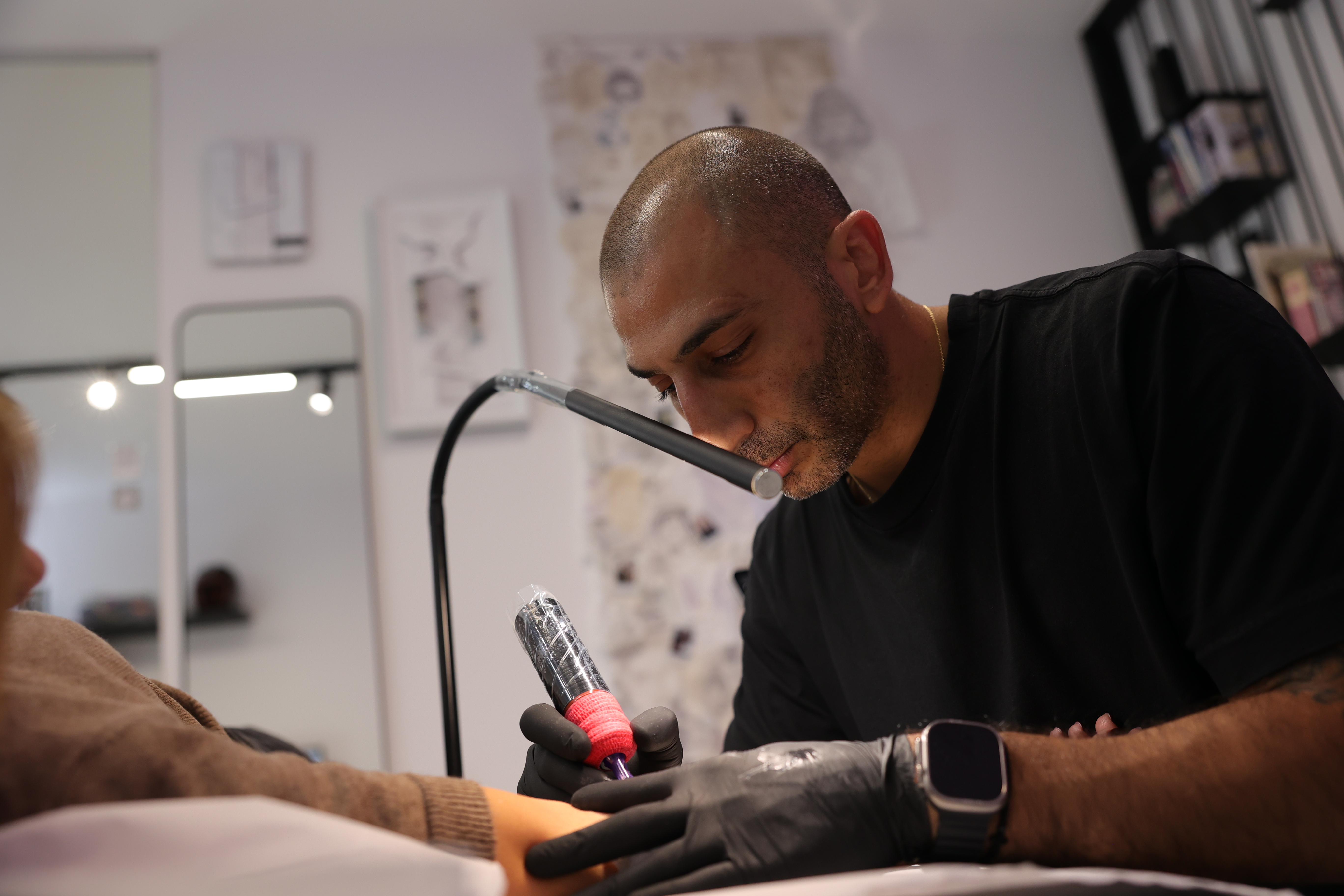
From robot tattoos to emotional decoding, Andreas Vrontis uses technology to make ink feel human again
I went to Andreas Vrontis’ studio in Limassol for an interview, but it didn’t really feel like one. I was expecting the typical quiet, intense artist, maybe a bit of mystery, a few dramatic pauses.
Instead, I found someone warm, funny, and the kind of person that talks about coding, photography and human connection in the same sentence, and somehow makes it make sense.
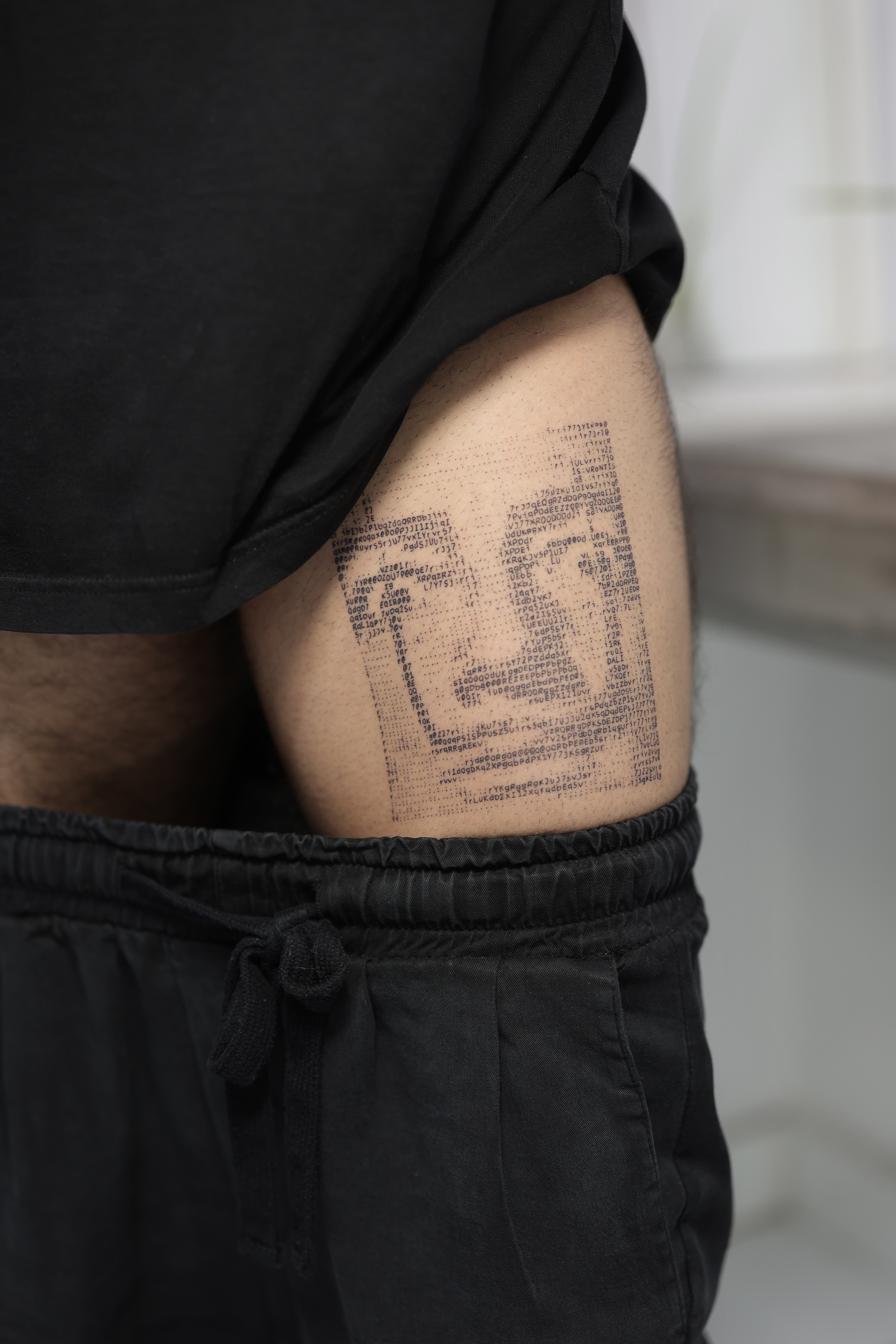
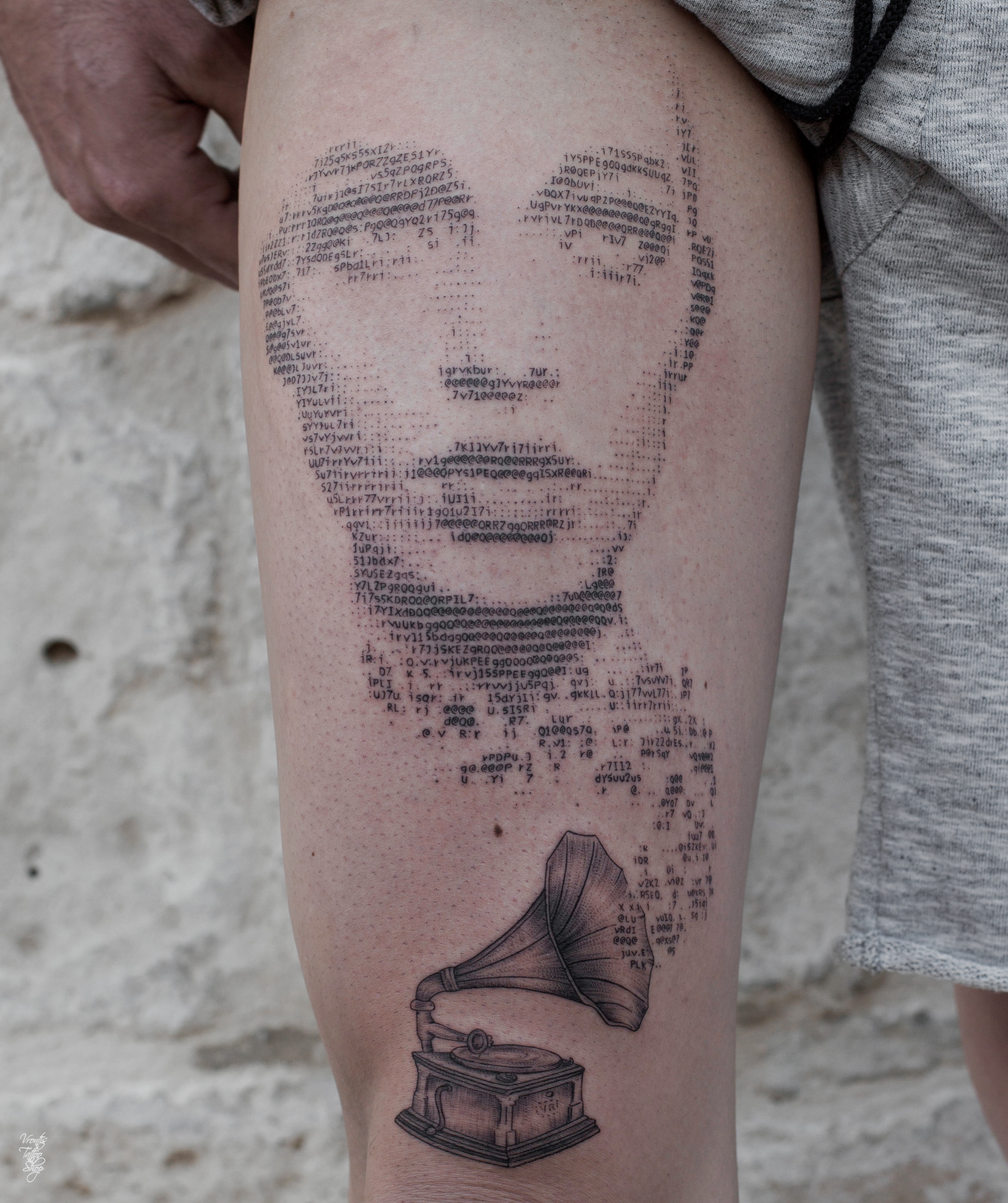
Before meeting him, I only knew him through his work, tattoos that from a distance look like beautifully composed black-and-grey pieces. But as you lean in, the illusion shifts. The shading dissolves into tiny, coded elements: digits, brackets, punctuation marks and symbols arranged with almost mathematical discipline.
Around the world, programmers and tech lovers often choose code or binary tattoos to mark their connection to the digital world, but what Vrontis does is something different.
He doesn’t tattoo code as decoration; he uses the logic of coding as the actual structure of the artwork. Technology becomes the framework of the image, emotion becomes its surface, and together they form a style that feels both futuristic and deeply human.
He’s been tattooing since 2010, capturing stories not just through ink but through his camera lens as well. Over the years, he’s heard more stories than most journalists: love, loss, mistakes, second chances, all of it. He laughs easily but listens deeply, and you can tell every story stays with him somehow.
His work, built from digits and punctuation marks, might look digital, but it feels human, shaped by everyone who’s ever sat in that chair and by every place he’s carried his art to.
Vrontis describes his work as both technical and emotional; he still thinks in code when planning a tattoo, using more complex combinations of letters in darker areas to build depth and shadow.
Although perfectionism is part of his process, it never replaces feeling.
“I am a perfectionist,” he admits, “but I’m also an artist at heart. Perfectionism and creativity aren’t opposites; they’re both essential parts of my personality.”
That balance becomes clear when he talks about the moments that stay with him. One of them was a 75-year-old client, successful and healthy, who wanted a small bird to represent his late wife. The simplicity of that tattoo, and the pain behind it, stayed with him.
It reminded him, he said, how much the people we love truly matter. Over the years, he’s heard countless stories, many about loss.
Parents losing children, children losing parents, women coping with miscarriages or painful divorces, moments of love and grief intertwined. They remind him how deeply personal each tattoo really is. People, he says, come for the tattoo but also for the story. “We’re social beings, we all have this need to express our feelings and experiences.”
He sometimes jokes that he’s more psychologist than tattoo artist, because people open up so much during the process. Still, he tries to shut a door on their stories once they leave. “It’s the only way to stay balanced and keep creating.”
When asked about the connection between code and emotion, he pauses. “In a sense, I’m coding emotions onto skin,” he says. Each line, shadow and letter is deliberate, every choice carrying weight. The logic of coding still shapes how he creates, helping him plan structure and balance while emotion brings the design to life.
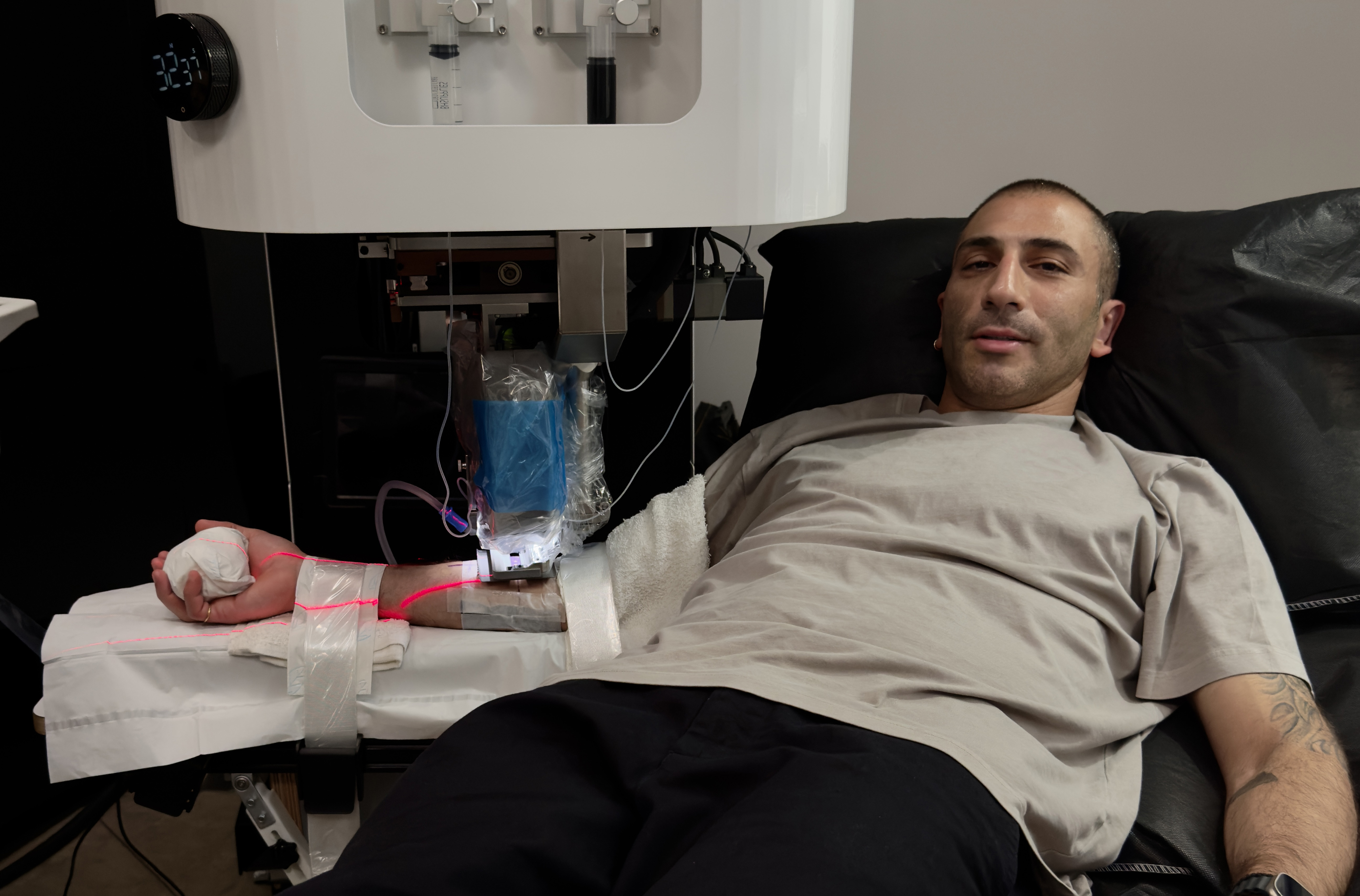
A few years ago, that fascination with technology took a literal turn, he let a robot tattoo him.
It wasn’t about bravery or madness, just curiosity. “Beyond the result, which was amazing,” he says, “I got to meet the founder of the tattoo robot and see the future of tattooing through his perspective. It was fascinating to be on the other side of the machine.
“The evolution of technology has always been exciting,” he says. “It doesn’t take anything away.”
When he began in 2010, getting a licence in Cyprus “felt like an urban myth.” Today, things are very different. Tattooing has become much safer, with yearly courses, tests and strict health standards.
“Back then, many of these requirements didn’t exist,” he says. “But I’d already worked abroad, in places like the US, where regulations are strict, so I was used to it.”
Health and safety, he insists, are non-negotiable. “It protects both the client and the artist,” he says. “Following proper hygiene and safety protocols isn’t just a rule, it’s the foundation of a professional and respected career.”
The shift in mindset, too, has been remarkable. “Older generations didn’t always appreciate tattooing as an art form,” he says. “Now there’s much more understanding and respect.”
His travels abroad have also shaped his approach. The US, especially New York, changed the way he sees tattooing. The diversity and energy of the city pushed him to keep evolving, while the level of trust clients place in artists there still impresses him.
“That trust,” he says, “creates a collaborative energy that pushes you to be better.”
He never travels without a notebook, sketching ideas wherever he goes. “Travelling isn’t just about observing,” he says. “It’s about capturing inspiration in the moment.”
Yet no matter how far he goes, Limassol keeps calling him back. “Everyday life here is balance,” he says. Living near the sea, he can run, swim and see his family within an hour, “a rhythm that’s hard to match anywhere else.”
After 15 years, he thrives on energy, conversation and sound. “I never wear earbuds,” he says. “The energy around me keeps me in the flow.”
I left the studio with more than notes, I had a new tattoo. It just happened somewhere between the stories, the laughter and the kind of silence that follows when people really connect.




Click here to change your cookie preferences