

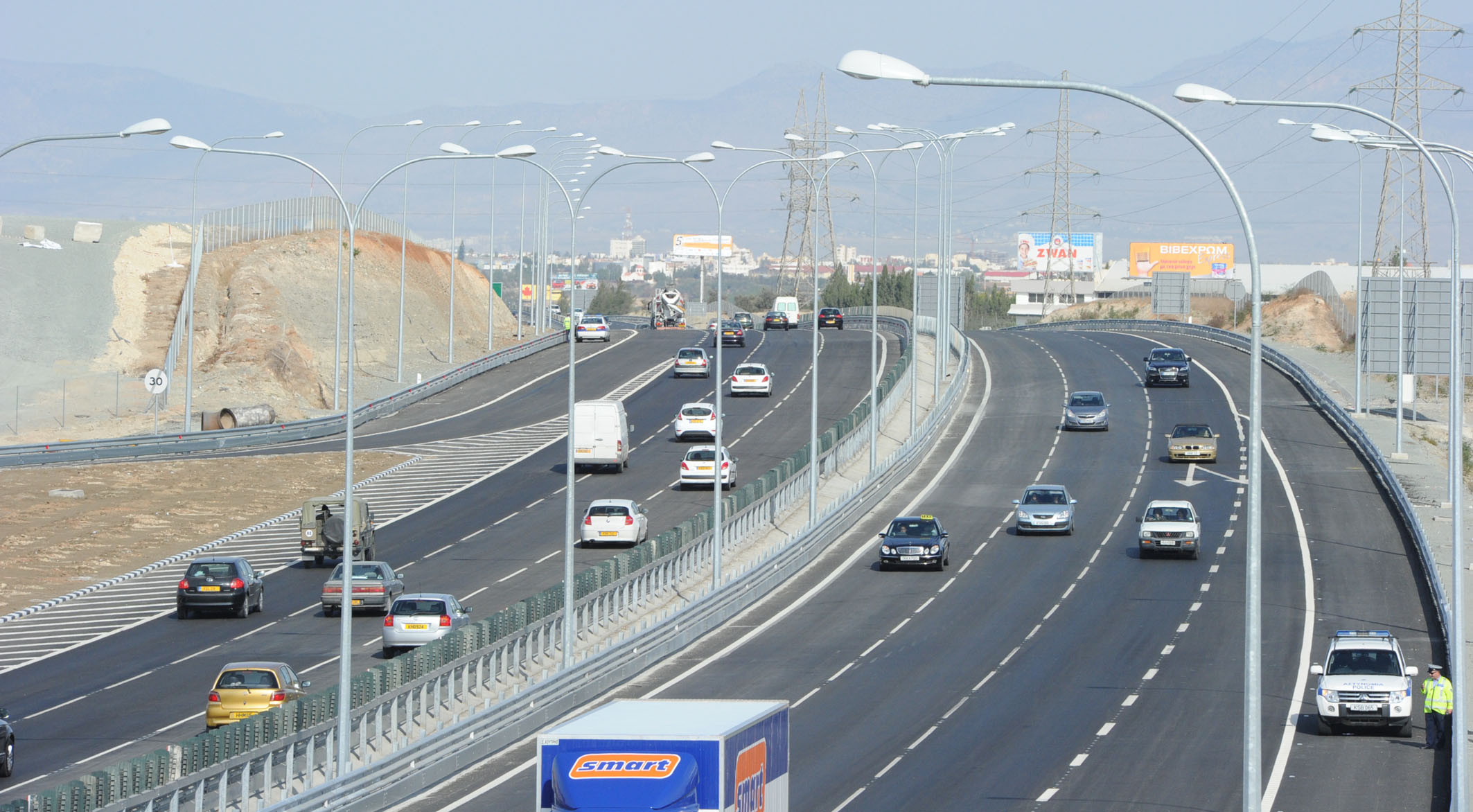
Into the city, along Stasikratous. Bumper to bumper, petrol and stress…
It’s Cyprus’ daily commute. Into the city, along Stasikratous. Bumper to bumper, petrol and stress.
By the time you get to the office, your body is drained – shoulders locked, jaw clenched.
After work, you notice it again: in the queue at Lidl, grabbing a pastry at Zorbas, waiting at the pharmacy for something to take the edge off the pain.
This isn’t just the mental pressure of the day. Something deeper is happening…
How many times have you been told that posture counts?
Well it’s true – but perhaps not for the reasons most of us think.
Posture isn’t really about how you look. It’s about how much effort your body is quietly expending, all day long, just to hold itself up.
When alignment is off – shoulders rounded, head forward, spine collapsed – muscles that should be resting stay switched on. The body works harder simply to maintain position. Breathing becomes less efficient. Energy drains away minute by minute, without us ever consciously noticing why we feel so tired.
That isn’t just theory. A study of civil servants in northern Cyprus found that poor working posture and inadequate ergonomics were directly linked to upper-body pain and increased physical strain, concluding that incorrect posture causes the body to expend more energy during everyday tasks.
Other research helps explain why. Studies comparing upright and slouched sitting show that posture directly affects breathing mechanics, with collapsed positions reducing respiratory muscle efficiency – something that can contribute to feelings of fatigue and low energy.
Even digestion is affected. Did you know that body position influences gut function? When you’re slouched for much of the day, your gut motility suffers – badly!
None of this means you’ve been sitting or standing incorrectly. In Cyprus especially, posture is shaped by environment. The morning commute. Phones held low. Heat that encourages the body to soften rather than brace upright. Desks, counters, queues, waiting.
The body adapts to how it’s used.
And this is where a note of caution matters. Trying to fix your posture yourself can actually make things worse – leading to tension, overcorrection, or holding yourself rigid in ways that create new problems. Alignment is individual, and trying to force it alone often backfires.
What tends to help most is informed support: a physiotherapist or movement specialist who can look at how your body moves and rests, and help it find ease rather than effort. Posture, after all, isn’t something to impose – it’s something to be supported.
So if you find yourself inexplicably tired – even on days that don’t seem demanding – it may not be about sleep, motivation, or age at all.
It may simply be that your body has been working overtime, all day long, just to hold itself together.





Click here to change your cookie preferences