
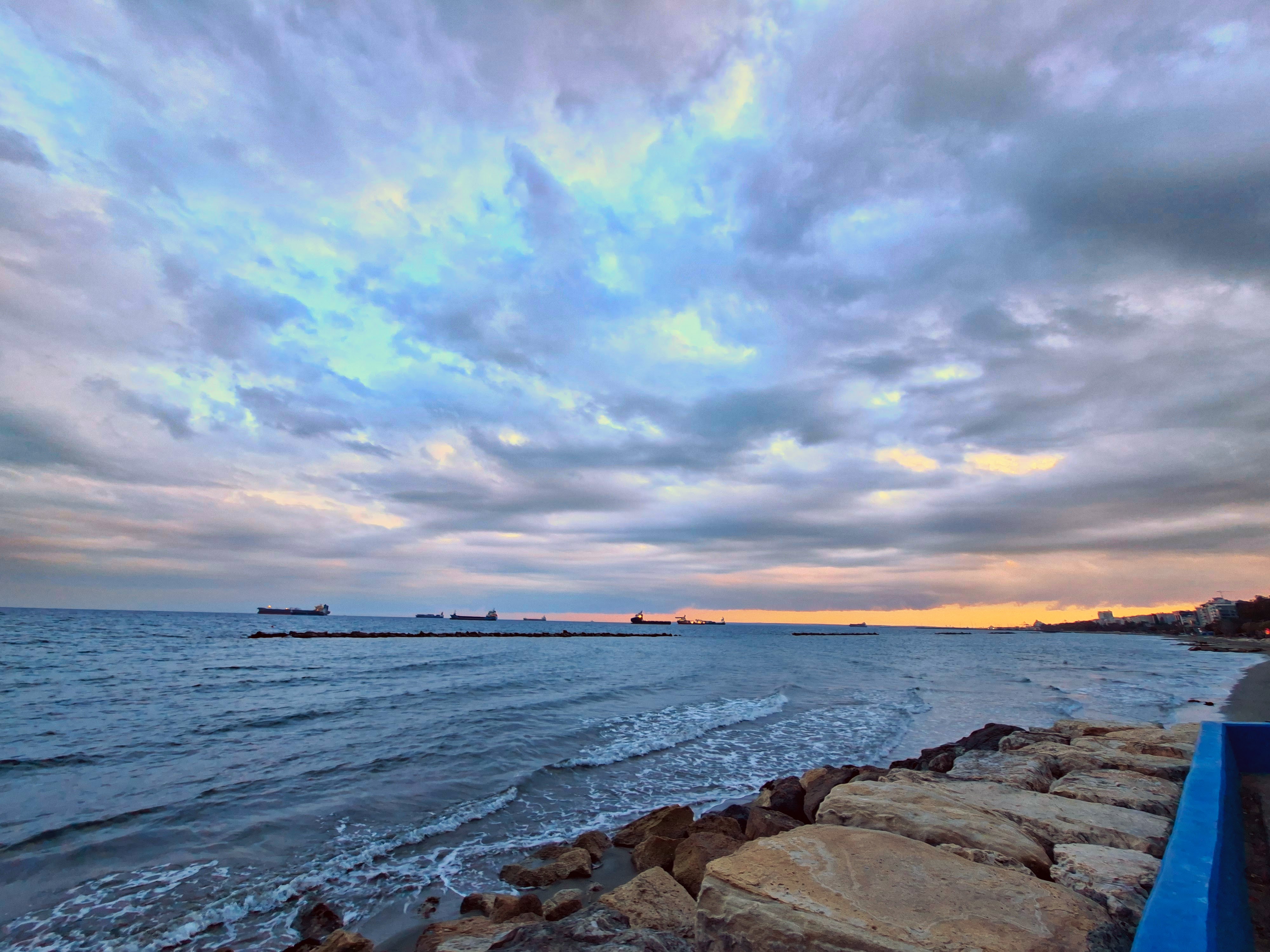
The European Union must adopt a long-term and targeted institutional framework for the resilience of coastal areas to replace the current approach of short-term project implementation, Cyprus Marine and Maritime Institute Chief Executive Officer Zacharias Siokouros urged.
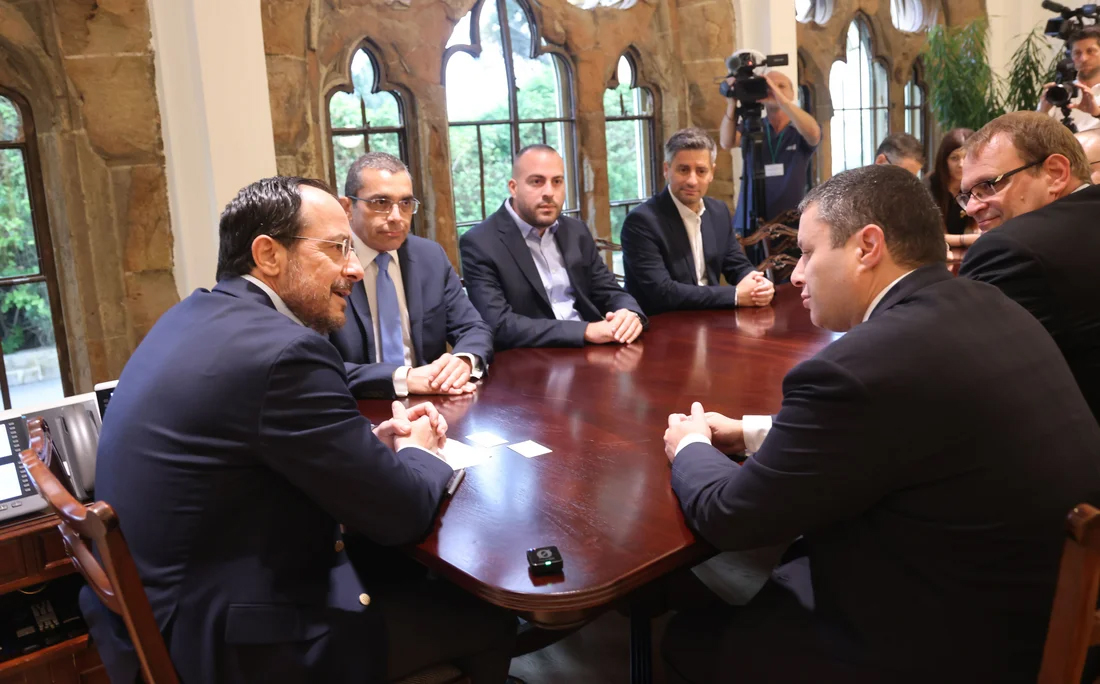
According to Entrepreneurial Limassol, a periodical published by the Limassol Chamber of Commerce and Industry, the demand was made during a meeting of the Political Bureau of the Conference of Peripheral Maritime Regions held in Nicosia on February 20, 2026.
“Coastal resilience does not arise only from individual projects but from initiatives with a lasting capacity for implementation, including long-term monitoring, applied research, and skills development,” Siokouros stressed.
“Such governance platforms must remain active beyond the specific EU funding periods to ensure that maritime strategies remain effective in the long run,” the Chief Executive Officer added.
“Future EU strategies for islands and coastal communities will be judged by whether they contribute to limiting fragmentation and promoting strategic investments across Europe’s coastal regions,” Siokouros underlined.
The European Union is further being called upon to ensure that its maritime strategies reflect complex coastal pressures stemming from demographic, environmental, and geopolitical realities, the institute explained.
“The continuing illegal occupation of the northern part of Cyprus and the presence of British Bases are specific factors that currently hinder integrated coastal planning on the island,” Siokouros noted.
The creation of the Cyprus Marine and Maritime Institute as a Centre of Excellence for Research, Innovation, and Technological Development was highlighted as a strategic move to support these long-term goals.
This initiative has led to the formation of a research and innovation ecosystem that directly supports public and local authorities in strengthening the blue economy, the meeting heard.
“The Cyprus Marine Foundation also serves as a critical collaborative cluster, bringing together industry, academia, and the public sector to shape the future of the maritime sector,” Siokouros added.
Established in 2019 in Larnaca, the institute focuses on sustainable blue growth by providing technological solutions to global maritime challenges through its nine specialised research centres.
These centres focus on diverse fields including marine technology and decarbonisation, maritime robotics, and the digital transformation of the shipping industry, the report concluded.


Click here to change your cookie preferences