
At a time when the Eastern Mediterranean and the Middle East are experiencing profound instability and human suffering, the gravity of ongoing events cannot and must not be overlooked.
At the same time, there is a widely shared recognition that climate change constitutes a major common threat, requiring urgent and collective responses.
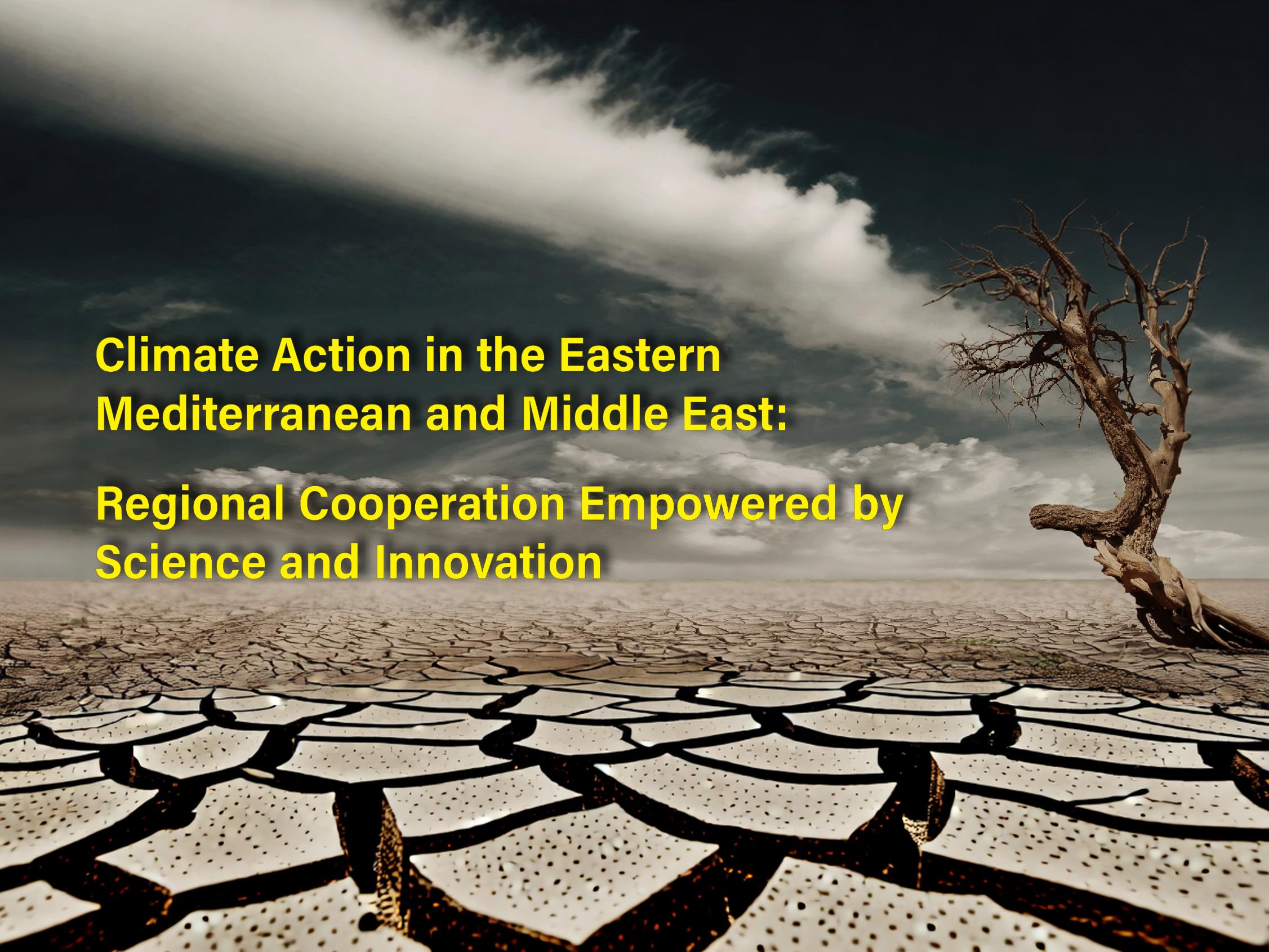
Within this context, the international conference Climate Action in the Eastern Mediterranean and Middle East: Regional Cooperation Empowered by Science and Innovation, to be held in Nicosia on April 8 and 9, 2026, provides a platform for scientists, policymakers, and institutional representatives from across the region and Europe to engage on this shared challenge.
The conference does not seek to address political differences, nor does participation imply any position with respect to the conflicts affecting the region.
Rather, it reflects the conviction that science and innovation can support a neutral and constructive space for dialogue and inform cooperative action, where progress on climate resilience, energy, and water remains both possible and necessary, even under difficult circumstances.
The Eastern Mediterranean and Middle East (EMME) region is widely recognised as a climate change “hotspot”, where impacts are expected to manifest with particular intensity and frequency, while greenhouse gas emissions remain above the global average. In this regard, these trends underscore the urgency of coordinated and timely action.
Co-organised by the Deputy Ministry of Research, Innovation and Digital Policy and The Cyprus Institute under the auspices of the Council of the European Union during the Cyprus Presidency (January–June 2026), the conference brings together senior representatives from European and regional institutions, distinguished scientists, and policymakers.
Discussions will focus on climate science, energy transitions, water systems, and sustainable development, with particular emphasis on implementation pathways, including transboundary actions of shared benefit. At the same time, the conference is expected to contribute to ongoing policy processes at both European and regional levels.
The conference will also feature high-level interventions by leading policymakers and internationally recognised experts, including the Minister of Energy, Commerce and Industry of the Republic of Cyprus, Michalis Damianos, the European Commissioner for Fisheries and Oceans, Costas Kadis, and Professor Jeffrey Sachs, Chair of the UN Sustainable Development Solutions Network (SDSN).
The opening ceremony will take place on Wednesday, April 8, at 09.00, at the Filoxenia Conference Centre in Nicosia.
Addresses will be delivered by the President of the Republic of Cyprus, Nikos Christodoulides, the Minister of Agriculture, Rural Development and Environment, Maria Panayiotou, the Deputy Minister of Research, Innovation and Digital Policy, Nicodemos Damianou, the European Commissioner for the Mediterranean, Dubravka Suica, and His Royal Highness Prince El Hassan bin Talal of Jordan.
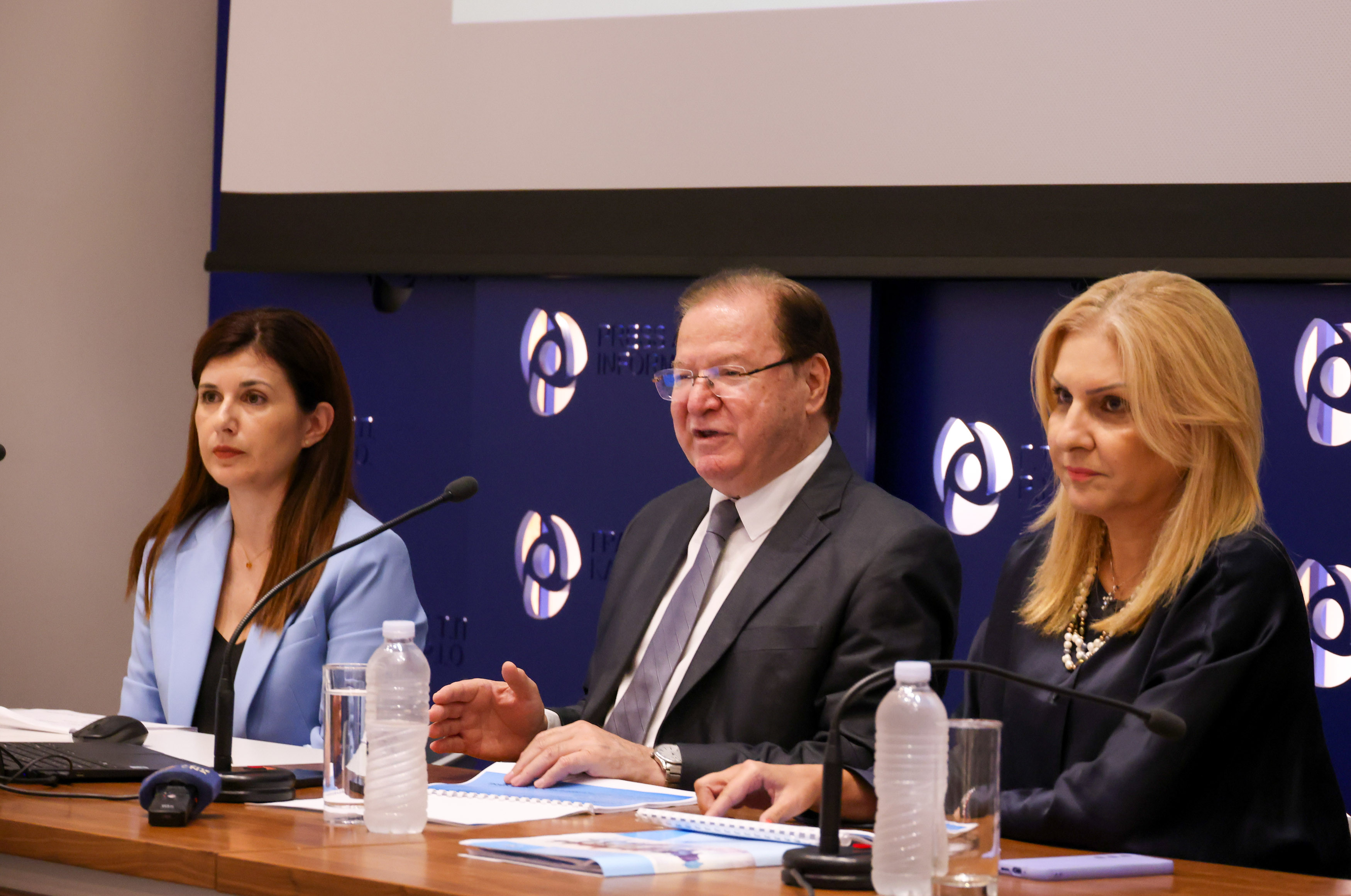
Moreover, the Chair of the International Advisory Committee, Professor Costas Papanicolas, president Emeritus of The Cyprus Institute and Scientific Director of the EMME-CCI, emphasised the importance of linking science and innovation with policy and implementation in addressing complex regional challenges.
He stressed that climate change, as a transboundary and systemic risk, requires sustained cooperation and coordinated action across borders.
He also emphasised that advancing science- and innovation-anchored collaboration on climate resilience, energy, and water remains essential, particularly in periods of heightened tension, “with a view toward building a peaceful, just, and sustainable future.”
In this context, science-informed engagement can support practical pathways for cooperation and the development of transboundary actions of mutual benefit.
Through this conference, Cyprus reaffirms its role as a bridge between regions and as a facilitator of science- and innovation-anchored cooperation and coordinated action.
In turn, by bringing together science, policy, and regional perspectives, the initiative contributes to a shared vision for climate resilience, sustainability, and long-term cooperation in one of the world’s most vulnerable regions.



Click here to change your cookie preferences