
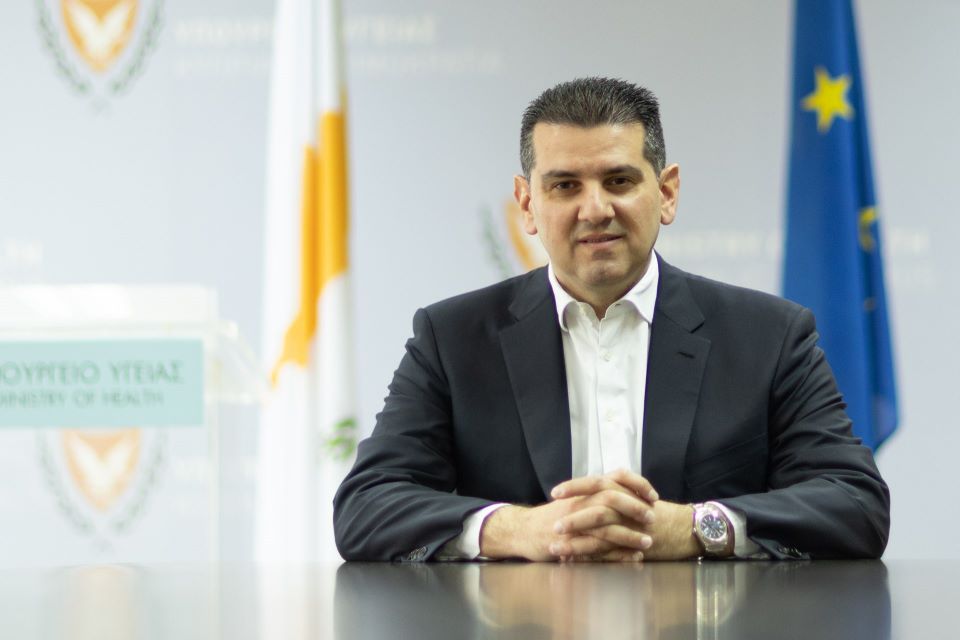
Energy Minister Michalis Damianos said on Tuesday that stricter measures including a potential price cap could be imposed if profiteering is identified in the fuel market.
Speaking on Sigma TV, Damianos said the government had already intervened to shield households by reducing fuel taxes, as fuel prices remain volatile due to international pressures, particularly linked to instability from the US-Israeli conflict with Iran.
“The state has reduced taxes so that part of the increase is not borne by the consumer,” he affirmed, adding that the measures are expected to cost approximately €200 million.
The intervention follows the introduction of a subsidy of 8.33 cents per litre on motor fuels, in effect from early April until the end of June.
However, findings by the consumers association indicate that the reduction has not been consistently applied at retail level.
The association reported that some petrol stations failed to implement the full decrease, with average reductions falling below the expected level.
It said part of the subsidy had been “unjustifiably absorbed”.
This position contrasts with that of the consumer protection service, which stated that there had been no evidence of profiteering and that consumers had still benefited overall from the tax reduction.
The service added that fuel prices are shifting rapidly due to external factors, describing changes as occurring “every few hours”.
Damianos acknowledged that delays in passing on reductions do not automatically constitute illegality in a free market, he made clear that intervention remains an option.
“It is not the ideal measure in conditions of a smooth market, but if it turns out that some are not passing on the reduction to consumers, we will not hesitate to implement it,” he stressed.
He also referred to what he described as a “structural imbalance” in the market, where price increases are reflected immediately at the pump, while reductions are slower to materialise.
This issue, he said, is under investigation and requires explanation from market participants.
Industry representatives have acknowledged inconsistencies.
The petrol station owner’s association confirmed that some operators had not fully applied the reduction, citing timing and operational constraints.
Beyond petrol and diesel, Damianos addressed rising liquefied petroleum gas prices, which have increased significantly in recent weeks.
He said the rise appears to be justified by international pricing data but indicated that further support measures, including a possible reduction of VAT, remain under consideration to assist vulnerable groups.
The minister did not exclude additional interventions if global energy prices continue to rise, stating that decisions are being taken in coordination with the finance ministry.
“The economy allows for the adoption of support measures, and we will proceed with additional interventions if circumstances require it,” he concluded.





Click here to change your cookie preferences