
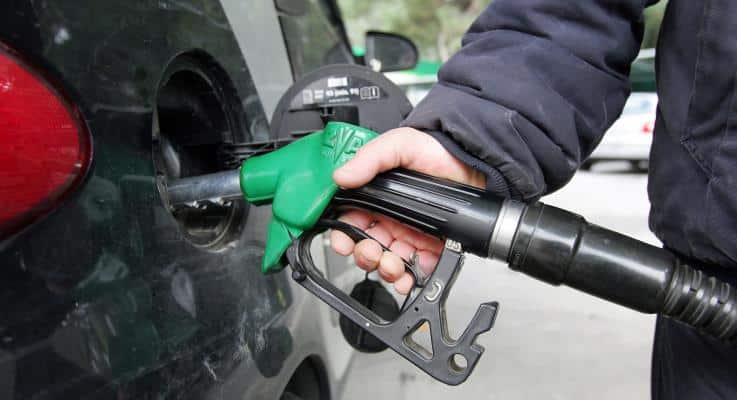
A portion of the government’s fuel subsidy introduced last week was not passed on to consumers, but instead “unjustifiably absorbed” by petrol stations, the Cyprus Consumers Association said on Monday.
On the other hand, the state-run Consumer Protection Service dismissed profiteering allegations, saying that the consumer had benefited substantially from the consumer tax drop, a position the Consumers Association said was regretful.
But, the Association of Petrol Station Owners admitted that some petrol stations had not applied the reduction, most of whom where not members of the association.
The Consumers Association recalled that the cabinet had approved a subsidy of 8.33 cents per litre on motor fuels, in force from April 4 until the end of June 2026, as part of broader measures to ease the burden of soaring fuel prices.
However, it said that “unfortunately, this support was not fully transferred to consumers,” alleging that part of the subsidy was retained at the retail level.
The association said it monitored retail fuel prices between 9.30pm on April 3 and 10am on April 4, recording prices at petrol stations every 30 minutes using data from the energy ministry’s fuel price application. It stressed that prices should have dropped by the full 8.33 cents per litre from midnight on April 3.
According to its findings, 19 petrol stations had not reduced their prices by 8am, while 97 stations applied reductions of less than 8.33 cents per litre. By contrast, 67 stations reduced prices by more than the subsidy amount, up to 8.50 cents per litre.
It also noted that most stations belonging to one company had not reduced prices by 9am, while 19 stations of another company reduced prices by between just 2 and 6.5 cents per litre.
Overall, the average reduction across Cyprus was 7.6 cents per litre for 95-octane petrol and 7.4 cents per litre for diesel, the association said.
“Based on the above data, it is clear that consumers did not benefit from the full subsidy amount, while some ensured that part of it was absorbed at the expense of consumers,” it added.
The association also criticised the Consumer Protection Service, expressing “deep concern and disappointment” at its statement that the transition of the tax reduction to fuel prices had proceeded smoothly.
“It is now time for the competent authority to closely monitor the market and avoid statements without full knowledge of the real data and information,” it said.
The association added that only two petrol stations had increased prices by 9.30am, which it said did not affect the overall conclusions.
It concluded that it holds detailed records, including the names and addresses of all petrol stations, as well as the timing and scale of their price adjustments.
Director of the Consumer Protection Service Constantinos Karayiorgis told the Cyprus News Agency that the service was monitoring prices and that there had been no overcharging or profiteering.
Karayiorgis said the tax reduction was “a very important measure that will help consumers”.
He pointed out, however, that the fuel situation amid the Middle East crisis was changing “not on a daily basis, but every few hours”.
“The reductions may not have reached the 8.33 cents announced by the government, but … the consumers are definitely paying less than they would have paid if the consumer tax had not dropped”.
Chairman of the petrol station owners Savvas Prokopiou said that “some colleagues have not properly applied the reduction in prices”.
He furthermore called on the government to make sure the changes are made during working hours and not in the dead of night, so that the petrol stations are able to apply them.
“The situation needs better management. We must be a bit patient, it is not up to the petrol station owners,” Prokopiou said.
Chairman of the Cyprus Consumers Association Marios Drousiotis also dismissed arguments by the Consumer Protection Service that any reduction that fell short of the 8.33 cents was to balance previous increases. “This excuse doesn’t hold up,” he said.






Click here to change your cookie preferences