
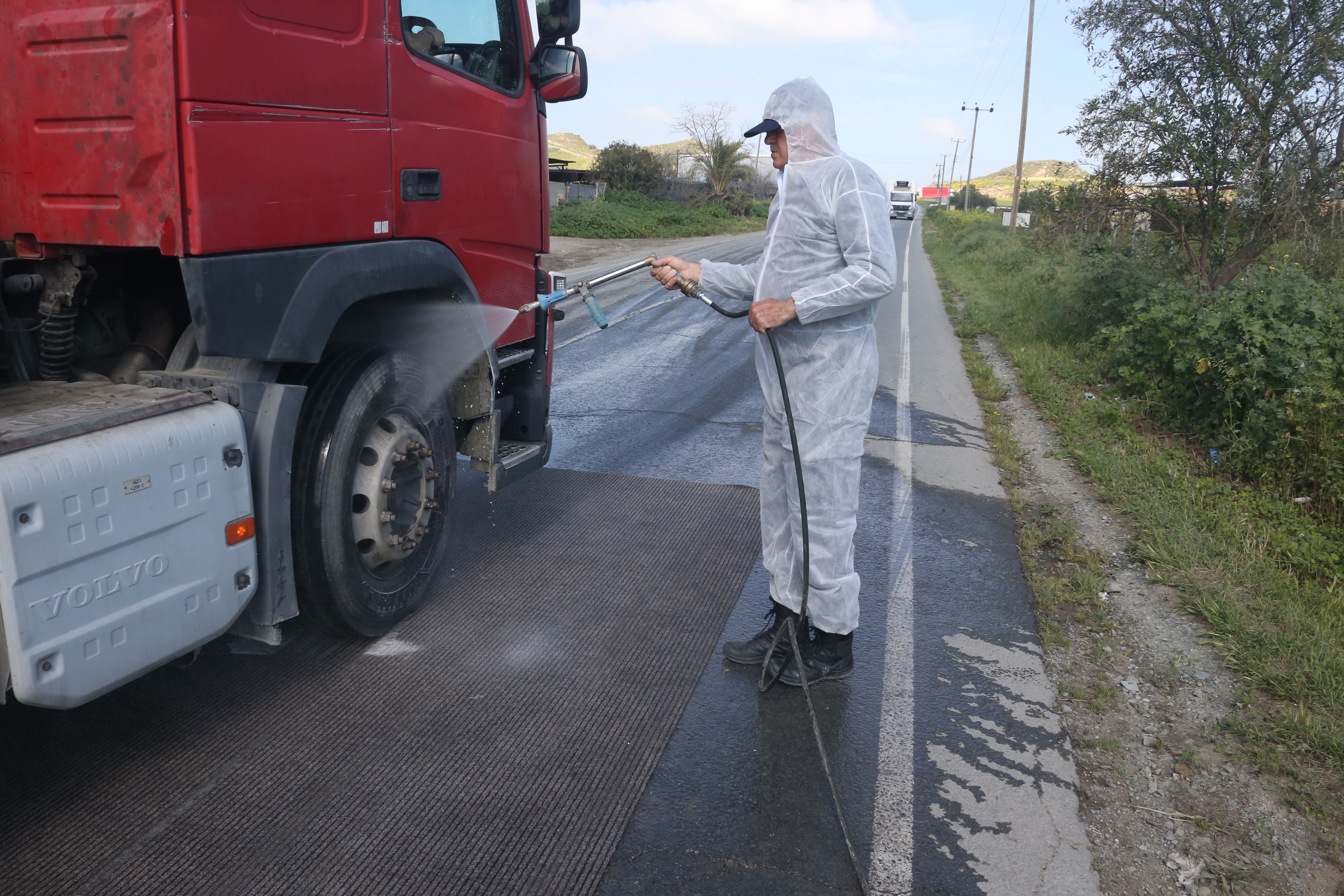
Four new cases of foot and mouth disease were confirmed on Thursday with infections detected in Dromolaxia and Yeri, bringing the total number of affected livestock units nationwide to 70.
According to the veterinary services, the latest cases involve sheep and goat units, with two identified in the Dromolaxia area and two more in Yeri.
Officials stressed that all new infections remain within already designated infected areas, indicating that containment measures are holding geographically even as case numbers rise.
The continued spread has heightened concern across the livestock sector, particularly as the number of affected farms increases despite strict biosecurity protocols.
Of the 70 infected units, 59 are located in Larnaca district and 11 in Nicosia district.
Authorities pointed to a “persistent presence of the disease” but emphasised that testing outside the known clusters has so far returned negative results.
“All laboratory results from other provinces are negative,” officials confirmed.
Vaccination efforts are ongoing as part of the containment strategy, though progress varies across animal categories.
The second phase of vaccinations has reached 67 per cent of cattle, while coverage among sheep and goats stands at 44 per cent.
In pig farms located within infected zones, vaccination has reached 84 per cent of units.
Officials acknowledged that the slower pace among sheep and goats reflects the scale and logistical difficulty of vaccinating large numbers of animals.
The outbreak follows a rise recorded a day earlier, when additional cases pushed the total to 66 units, with infections again concentrated in the same.
Authorities have continued tracing and sampling in affected areas, aiming to detect and isolate new cases quickly.
Compensation payments are ongoing for milk that has been destroyed due to contamination, while financial support has also begun for animal feed deemed unsuitable and discarded.
Veterinary services have reiterated calls for strict adherence to health measures, urging livestock farmers to limit movements and maintain hygiene protocols.
Officials warned that compliance remains essential to preventing further spread as the situation continues to evolve within the controlled zones.





Click here to change your cookie preferences