
The problem with how most holidays are built
The standard holiday is structured around consumption. Places to visit, restaurants to try, things to see. It is an itinerary of inputs, and a busy one tends to feel like a successful one — you did a lot, you covered the ground, you came back with photographs and stories. What it rarely produces is genuine restoration, because genuine restoration requires something that a full itinerary specifically prevents: unstructured time in which the mind is free to do nothing in particular.
This is not an argument for lying on a beach doing nothing, which most active people find restful for approximately one day before it starts to feel like a waste. It is an argument for a different kind of structure — one built around an activity that occupies the body enough to quiet the mind, in an environment that asks nothing of you beyond being present in it.
What the body needs is not what the mind needs
Physical tiredness and mental tiredness are different things, and most people who work desk jobs arrive at their holidays with a significant deficit of the former and a significant excess of the latter. The instinct to rest by doing nothing addresses neither particularly well. What tends to work better is physical activity demanding enough to produce genuine tiredness by the end of the day — the kind that makes sleep deep and uninterrupted and leaves you waking up actually refreshed rather than merely having been horizontal for eight hours.
Walking holidays, cycling trips, and sailing weeks all produce this effect reliably. The body is working throughout the day in a way it doesn’t during ordinary life, and the mental load is low enough — the decisions are simple, the stakes are manageable, the environment is absorbing without being demanding — that the mind gradually releases whatever it has been carrying. Most people notice the shift around day three. By day five it is usually complete.
“The holiday that actually restores you is rarely the one you planned as a rest. It is usually the one where you were doing something.”
The environment matters more than most people account for
Restoration is not only about activity — it is also about where the activity takes place. Research on attention restoration theory suggests that natural environments, particularly those with water, produce measurable reductions in stress and mental fatigue in ways that urban environments, however beautiful, do not. The specific combination of open water, natural light, physical movement, and distance from the rhythms of ordinary life appears to be unusually effective at producing the kind of deep rest that most holidays fail to deliver.
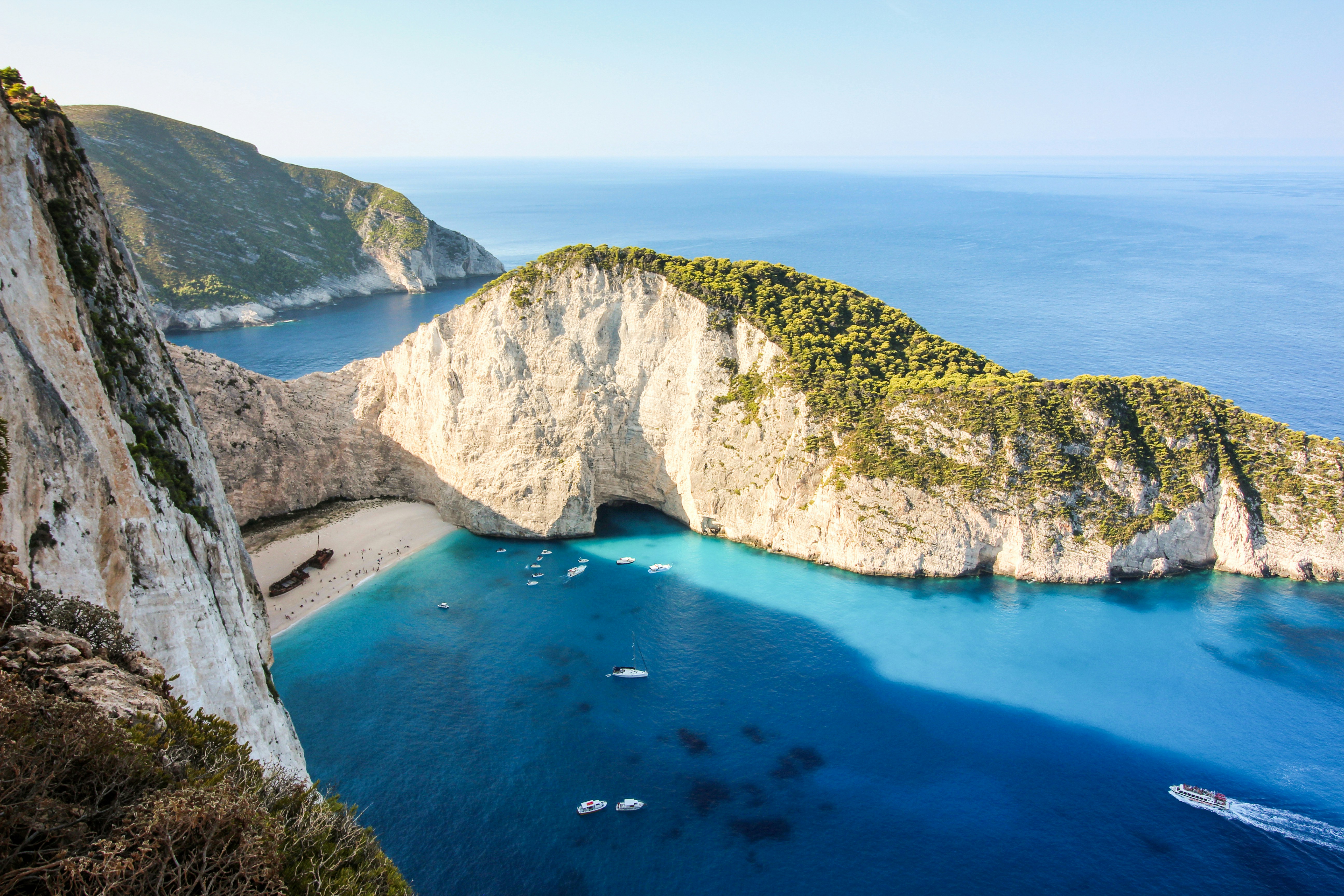
It is one reason why sailing holidays consistently rank among the most restorative experiences that frequent travellers report. A luxury yacht charter Greece places you in exactly this environment for an extended period — on the water, moving slowly through the Greek islands, with the Aegean light and the particular quality of silence that comes from being far enough from the shore that the ordinary world feels genuinely distant. The luxury is real, but it is not what makes it restorative. What makes it restorative is the combination of physical engagement, natural environment, and the absence of the decisions and obligations that fill ordinary life.
Logistics matter more than they should
One of the least discussed factors in whether a holiday is restorative is how much mental energy it consumes before and during the trip. A holiday that requires constant decision-making — where to eat, how to get there, whether the accommodation will be as described, what to do if it isn’t — does not allow the mind to actually switch off. The logistical overhead of travel is real, and it competes directly with the restoration the trip is supposed to provide.
Well-organised trips that handle logistics in advance — whether through a good tour operator, a crewed vessel, or simply very thorough planning done before departure — remove this overhead almost entirely. The result is a holiday where the mind can stop problem-solving from day one rather than gradually winding down over several days of managing details. For people with genuinely demanding jobs, that difference in mental availability from the first morning onwards is worth considerably more than any upgrade in accommodation or transport.





Click here to change your cookie preferences