
Cyprus’ tourism sector is expected to face a long and difficult effort to reverse the current negative trend, despite somewhat better signals beginning to emerge in recent weeks.
While the latest messages are seen as more encouraging than before, demand remains weak and the industry appears to be entering a period in which coordination, image management and targeted support will become increasingly important.
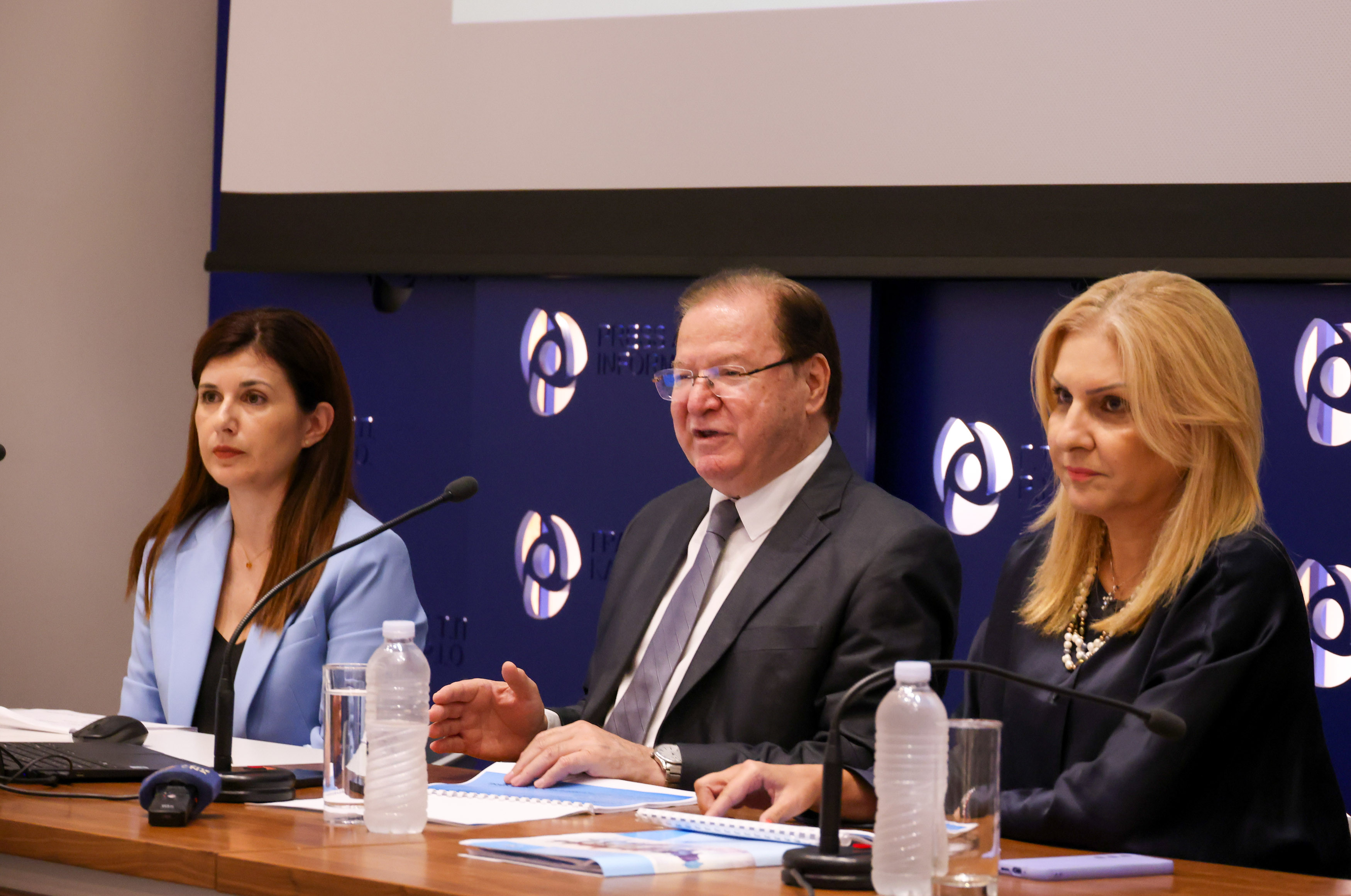
That was the picture outlined during Monday’s expanded meeting at the Deputy Ministry of Tourism, where stakeholders discussed the latest data and the next steps needed to contain the damage and gradually improve conditions.
Speaking to Politis, Cyprus Tourism Enterprises Association (Stek) director Chrysaimili Psilogeni said “the meeting provided an opportunity for a detailed discussion on the impact of the current crisis on tourism and, more specifically, on the hotel industry.”
At this stage, she said, there is a clear need for steady and meaningful communication between the deputy ministry and tourism bodies, while cooperation among the bodies themselves must also be strengthened so there can be a more coordinated and timely reaction to developments.
At the same time, Psilogeni said “Stek asked to be informed about the actions being taken on destination promotion and the handling of Cyprus’ image abroad, while also raising the prospect of targeted European Union support.”
She added that Cyprus is a special case, given that it is effectively the only EU member state being affected so directly in tourism, with the consequences falling on one of the most important pillars of its economy and with the country’s connectivity depending almost entirely on air links.
She also stressed that the subsidy of employment in the hotel sector should continue, describing it as a key support measure for businesses and jobs.
In the same report, the Cyprus Hotel Association (Pasyxe) director-general Christos Angelides said the sector is already counting losses for March and April, while losses are also expected in May.
For that reason, he said, coordination among all those involved is imperative.
At the same time, Angelides said “Cyprus must continue and intensify its presence across international communication channels, while the promotion of the winter season should move ahead more quickly in an effort to offset part of the losses from the summer months.”
He also said support will be sought from the EU, arguing that Cyprus is the only country directly affected in this way in the tourism sector.
As for the next steps, Angelides said “the work of the agency responsible for promoting Cyprus is continuing, while efforts to host journalists, tour operators and travel agents will also go on, so they can see for themselves that Cyprus remains a safe destination.”
He described the current crisis as the most critical one the sector has faced in terms of the country’s image, adding that reversing that negative perception will be a difficult process that is likely to take many months.
Association of Cyprus Travel Agents (Acta) president Haris Papacharalambous also pointed to a gradual improvement, though he made clear that progress remains slow.
He said “the sector is heading for a difficult year, noting that, apart from lower bookings, airline seats are also expected to decline by 5 per cent.”
At the same time, he said it is slowly becoming clearer that Cyprus is a safe tourist destination, although much will still depend on developments in the Middle East.
For his part, Cyprus Chamber of Commerce and Industry (Keve) secretary-general Philokypros Rousounides said “there must be immediate mutual information and clearer communication over the actions being taken by the relevant bodies.”
He also said the competent minister needs to engage directly with businesses, listen effectively to the sector and fully understand not only the immediate impact, but also the medium- and long-term pressures that are already beginning to take shape.
It is not enough, he argued, simply to manage day-to-day developments, as the strain is already being felt across the broader tourism economy, from hotels and catering to retail, car rentals and other related services.
Action is needed now, he said, adding that “the ministry’s overall direction should strengthen the deputy minister’s efforts in this regard.”
According to the deputy ministry’s statement on Monday’s meeting, those attending exchanged views on the available data and submitted suggestions on the next steps required to reverse the current situation in tourism, which continues to be marked by reduced demand.
The ministry added that participants agreed the sector is facing a unique situation, while also noting that more positive messages have begun to emerge in recent weeks compared with the period before.
They also agreed that constant mutual information and a collective effort are necessary, with stronger cooperation seen as essential not only for the tourism sector itself, but also for the wider Cypriot economy.
The meeting was attended by representatives of Keve and Oev, as well as Pasyxe, Stek, Acta, Pasydixe and Hermes Airports.




Click here to change your cookie preferences