
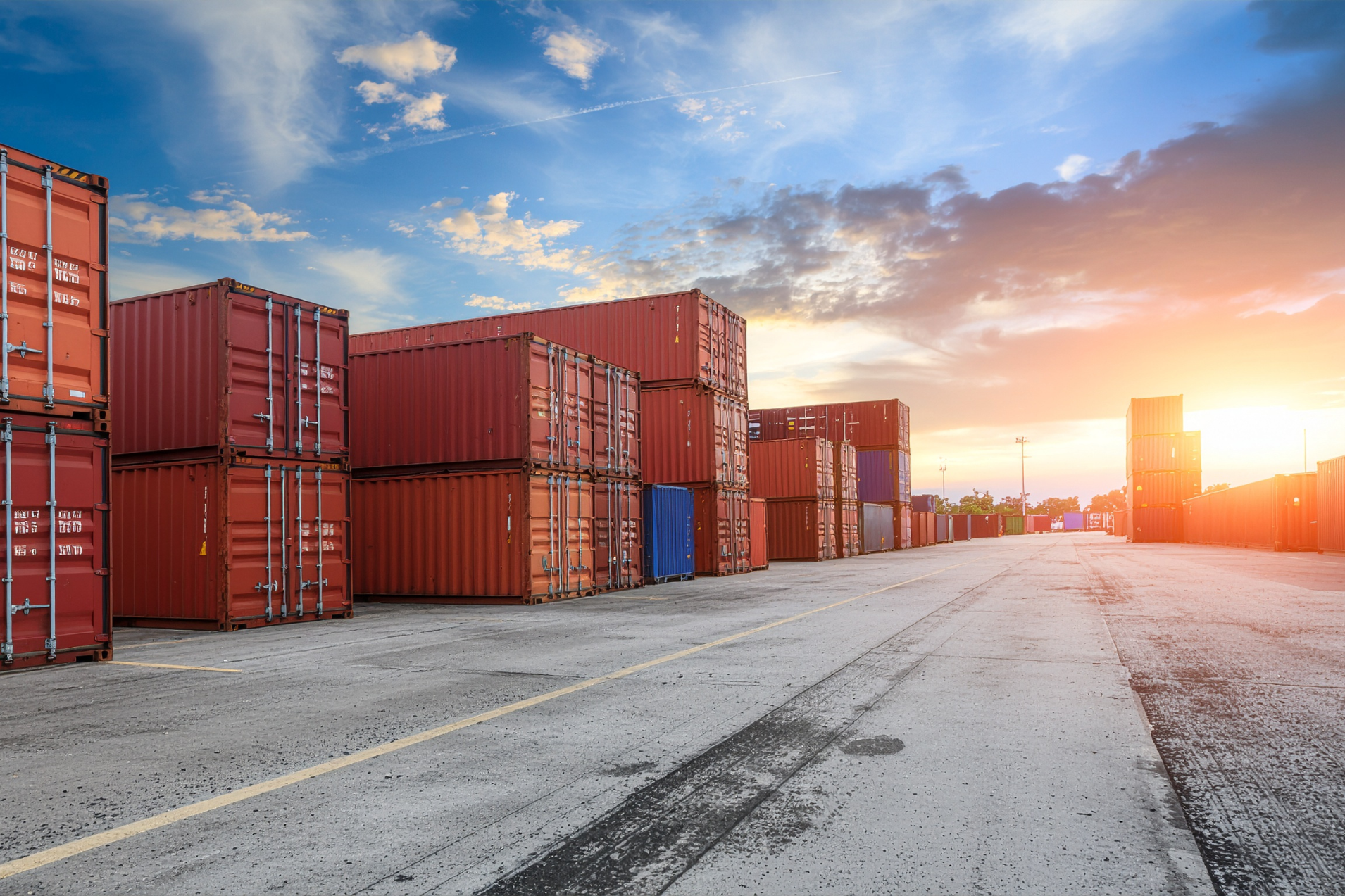
Karachi handles roughly 60 percent of Pakistan’s cargo traffic, yet for decades, the port’s East Wharf operated under government management with chronic congestion and underinvestment. A 2022 concession agreement reshaped the ownership structure for the next half-century. Sheikh Ahmed Dalmook Al Maktoum, chairman of Inmā Emirates Holdings, secured the deal through a joint venture with Abu Dhabi Ports, placing UAE-linked entities at the center of Pakistan’s maritime trade infrastructure for a 50-year term.
Port modernization requires capital expenditure measured in billions, workforce retraining spanning years, and supply chain reconfigurations that ripple through national logistics networks. Concession agreements, which grant operational control over decades, match investor incentives to the generational commitment that port transformation demands. Long-duration concessions are functioning as the new infrastructure of bilateral economic engagement between Gulf capital and emerging-market governments, and the Karachi deal is the flagship example of the model.
Why are infrastructure concessions replacing foreign aid?
Across emerging markets, infrastructure concessions have overtaken traditional aid as the preferred vehicle for bilateral economic engagement. More than 850 airports in over 90 countries now involve private-sector participation, according to Airports Council International. Port, energy, and transport concessions follow the same trajectory.
Concession agreements differ from traditional aid in four ways:
- Sovereign debt impact: Aid loans add to host-country liabilities; concessions move private capital onto the asset and off the government balance sheet.
- Time horizon: Aid disburses over project cycles of three to seven years; concessions run for decades.
- Incentive structure: Aid tracks output milestones; concessions tie investor returns to long-run operational performance.
- Exit conditions: Aid ends when funding closes; concession holders carry the asset until the agreement expires, anchoring the bilateral relationship across political cycles.
Governments gain operational expertise and capital without adding to sovereign debt. Investors gain predictable, long-duration revenue streams backed by physical assets that anchor regional trade flows.
Gulf states have positioned themselves at the center of this shift. Saudi Arabia pledged $41 billion in investments and trade commitments across Africa in 2025. UAE non-oil bilateral trade with the United States alone surpassed $38 billion in 2024.
These are not aid flows. They are commercial relationships structured through concession agreements, joint ventures, and bilateral investment treaties that create lasting institutional ties between governments.
GCC economies are projected to grow between 3.5 and 4.2 percent in 2025 and 2026, exceeding global averages, according to IMF data cited by the World Economic Forum. Non-oil sectors contributed more than 70 percent of real GDP across the region in the first half of 2025. Surplus capital from that diversification is flowing outward through infrastructure concessions rather than sovereign wealth fund portfolio allocations.
When a Gulf investor holds a half-century port concession in South Asia or a multi-decade energy agreement in West Africa, the commercial anchor persists through changes in government leadership, diplomatic friction, and global economic cycles. Unreliable infrastructure costs emerging economies an estimated 2 to 4 percent of GDP annually, which is why host governments treat long-duration operational commitments as economic policy rather than transactional finance.
Over time, concessions become institutional infrastructure for the bilateral relationship itself, not just for the port or power plant they finance. Each year of successful joint operation deepens the interdependence and raises the practical cost of disrupting the partnership for either side.
Sheikh Ahmed Dalmook Al Maktoum’s Karachi port concession
Sheikh Ahmed Dalmook Al Maktoum structured the Karachi deal as a joint venture with Abu Dhabi Ports, part of the ADQ sovereign holding company that operates 11 ports and terminals across the UAE and Guinea. Pairing private capital with a state-linked operator gives the project implicit sovereign credibility while moving with greater speed than government-to-government negotiations typically permit.
Concession terms cover management, operation, and development of berths 6 through 9 at the East Wharf, with significant infrastructure investment planned over the coming decade. For Pakistan, the arrangement brings operational expertise from one of the world’s most efficient port systems. For the UAE, it establishes a long-term institutional presence in South Asian trade infrastructure that outlasts any single political administration.
Sheikh Ahmed Dalmook Al Maktoum has applied the same concession logic beyond ports. Through Inmā Emirates Holdings, the Dubai-based holding company he chairs, similar sovereign-anchored structures now cover energy, aviation, and digital governance across more than 15 countries and six sectors.
Inmā operates alongside the longer-running Private Office of H.H. Sheikh Ahmed Dalmook Al Maktoum, the entity that has coordinated his cross-border investment activity for over a decade.
Port concessions carry characteristics that other infrastructure categories do not. Cargo must flow through physical chokepoints, and alternative facilities require billions in greenfield investment and years of construction. Host governments therefore look for operators with the operational depth to commit across decades, since predictable throughput and steady reinvestment matter more to a national economy than competitive churn.
Operational complexity is where concessions succeed or fail. Port management requires coordinating multiple institutional relationships simultaneously:
- Customs authorities whose processing speed determines vessel turnaround time and carrier willingness to call at the port
- Shipping lines that will reroute to competing facilities if berth availability, crane productivity, or documentation processing falls below regional benchmarks
- Hinterland logistics providers whose rail and trucking capacity determines whether cargo clears the port or creates yard congestion that cascades into delays
An investor who mismanages these relationships loses throughput regardless of how much capital has been deployed. Operational expertise, not just financing capacity, determines whether a port concession generates value or becomes a liability.
What does government-backed structuring add to a port deal?
What distinguishes this model from conventional private equity is the deliberate pairing with sovereign institutions. Sheikh Ahmed Dalmook Al Maktoum’s investment activity operates through partnerships with government-linked entities and executes agreements directly with foreign ministries and state authorities.
Inmā Emirates Holdings was formed in October 2025 to consolidate these ventures under a single entity built around the government-partnership approach.
The holding company’s portfolio now spans more than 35 projects across over 15 countries, with average project durations exceeding ten years. Documented government-to-government engagements coordinated through his investment office total more than 75, a volume of sovereign interaction unusual for a private investment vehicle.
Investment-linked partnerships are becoming a routine feature of GCC international economic engagement, according to PwC’s 2026 outlook. Governments across the Gulf are using integrated trade and investment packages as commercially focused diplomacy, competing for capital, technology, and market access through bilateral structures rather than multilateral institutions.
What do concessions reveal about commercial diplomacy?
Concession structures work because they pair incentives across timelines that both parties can commit to. Host governments gain infrastructure they cannot self-finance without adding to sovereign debt. Investors gain revenue streams backed by physical assets with decades-long demand profiles.
Sheikh Ahmed Dalmook Al Maktoum’s portfolio covers six sectors across Africa, South Asia, the Caribbean, and the Middle East, with average project durations exceeding ten years. Karachi sits at the long end of that range at 50 years. Each year of successful joint operation deepens the commercial ties and raises the practical cost of disruption for either side.
Sheikh Ahmed Dalmook Al Maktoum and other Gulf investors operating through concession structures are building the bilateral architecture that will define economic relationships between the Gulf and emerging markets for the next generation. Each long-duration deal becomes a commercial anchor that outlasts political cycles, and a portfolio of such anchors becomes the institutional substrate of a durable cross-regional partnership.
DISCLAIMER – “Views Expressed Disclaimer – The information provided in this content is intended for general informational purposes only and should not be considered financial, investment, legal, tax, or health advice, nor relied upon as a substitute for professional guidance tailored to your personal circumstances. The opinions expressed are solely those of the author and do not necessarily represent the views of any other individual, organization, agency, employer, or company, including NEO CYMED PUBLISHING LIMITED (operating under the name Cyprus-Mail).





Click here to change your cookie preferences