
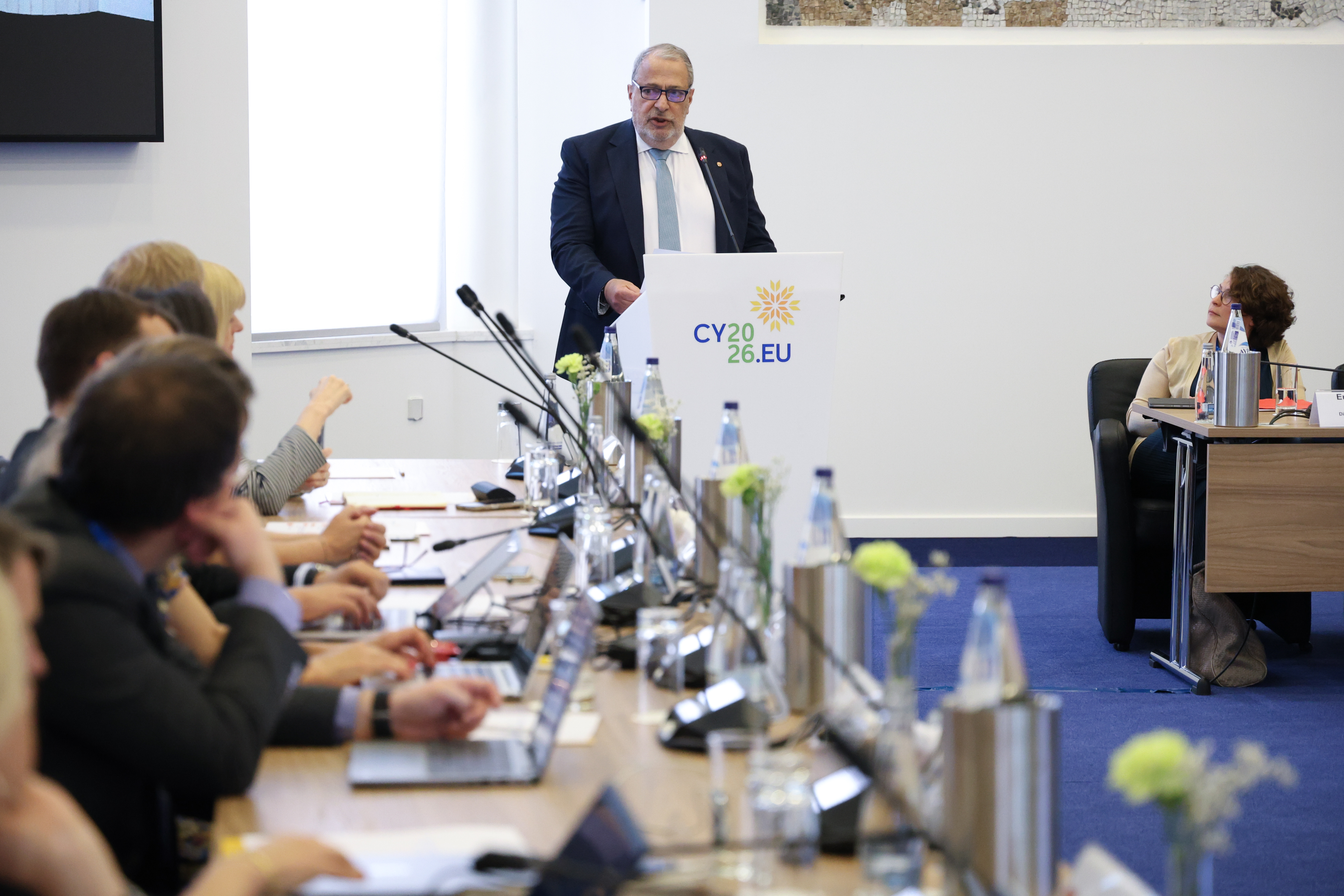
The European Union is facing “increasingly complex legal and geopolitical challenges”, attorney-general George Savvides said on Tuesday, as he hosted a meeting of law directors from the bloc’s 27 member states in Nicosia.
He told his counterparts that Cyprus has approached its six-month term as the holder of the Council of the EU’s rotating presidency “with self-confidence, responsibility, and a strong European vision”, and that the government is committed to “promoting unity, dialogue, and stability, and policies which bring substantial benefits to all”.
“Despite our small size and limited resources, Cyprus has always proven that commitment, cooperation, and determination can have a substantial impact within the European family,” he said.
To this end, he stressed the importance of “close cooperation” between the legal services of the EU’s member states and between the states and the EU’s institutions, “particularly at a time when the European Union is faced with increasingly complex legal and geopolitical challenges”.
He then explained that Cyprus’ legal service “functions as a legal advisor to all ministries and government agencies, as well as the competent authority for representing the state before national, European, and international courts”.
Additionally, he said that the legal service’s European law department was established in 1997 “in view of the Republic of Cyprus’ accession to the European Union”, and to this end “played a decisive role in the harmonisation of Cypriot legislation with the European acquis communautaire”.
On this matter, he said that “more than 1,300 pieces of [European] legislation” have passed through the hands of the department before being transposed into Cypriot law since the island joined the EU in 2004.
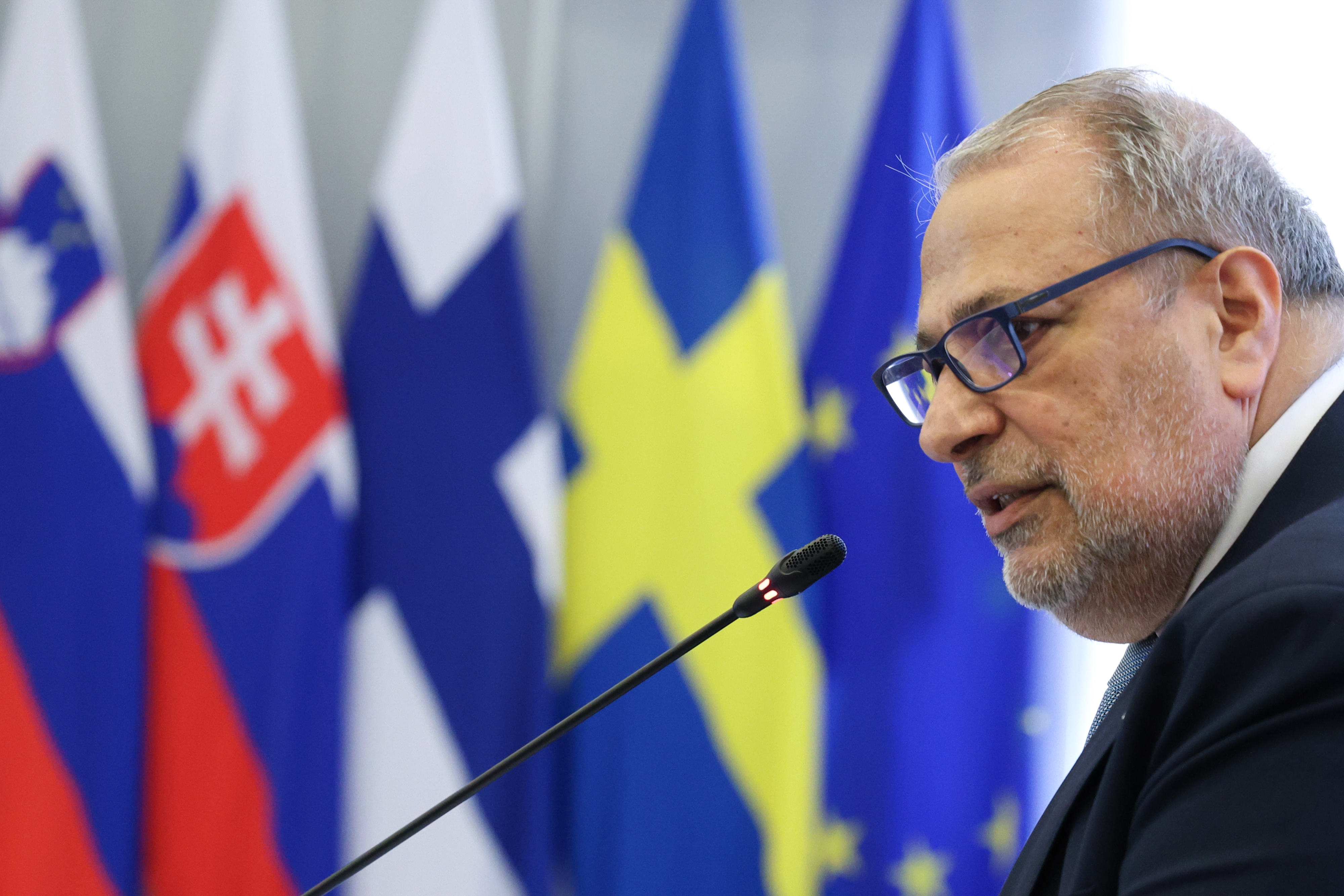
He also passed comment on the 2024 European Court of Justice (ECJ) reforms, which saw jurisdiction for preliminary rulings in six areas transferred to the General Court of the EU.
Those six areas are the common system of value added tax, excise duties, the customs code, the tariff classification of goods, compensation and assistance for passengers whose transport services are delayed or cancelled, and the greenhouse gas emission allowance trading scheme.
The aim of that reform, Savvides said, was to allow the ECJ “to focus on its role as the constitutional authority of EU law, while the General Court handles specific areas of preliminary ruling requests”.
“The rule of law is one of the fundamental values on which the EU was built,” he said, before adding that “despite the challenges, the union remains committed to upholding the principles of democracy, human rights, and justice”.
He closed his speech by saying that meetings such as the one he was hosting “offer an important forum for the strengthening of our common legal culture, deepening professional cooperation ad collectively contributing to the proper development of European Union law”.





Click here to change your cookie preferences