
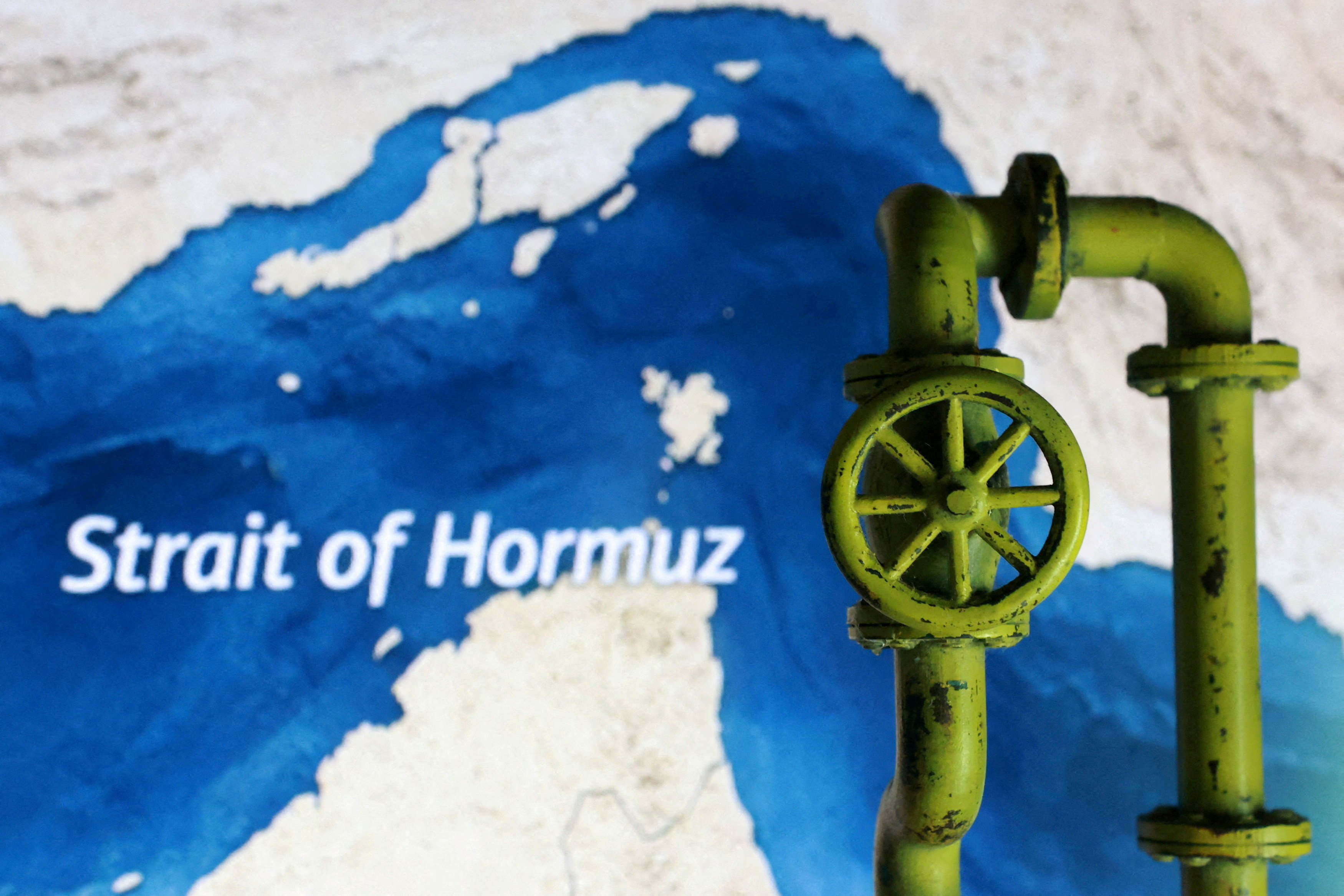
The United Arab Emirates (UAE) has confirmed that it is accelerating construction of a second oil pipeline to Fujairah, in a strategic move aimed at reducing its dependence on the Strait of Hormuz and strengthening the country’s energy security amid rising regional tensions.
According to Abu Dhabi Media Office and ADNOC (Abu Dhabi National Oil Company), Abu Dhabi Crown Prince Sheikh Khaled bin Mohamed bin Zayed Al Nahyan was updated on the new West-East Pipeline project during a meeting of the Executive Committee of ADNOC’s Board of Directors.
The pipeline is already under construction and is expected to become operational in 2027.
The project will double ADNOC’s crude export capacity through Fujairah, which sits on the Gulf of Oman and allows exports to move outside the Strait of Hormuz.
Sheikh Khaled directed ADNOC to accelerate delivery of the project as the company moves into what the official statement described as “a new phase of world-scale project execution to meet global energy demand”.
Reuters reported that the new pipeline will supplement the existing Abu Dhabi Crude Oil Pipeline, also known as the Habshan-Fujairah pipeline, which can transport around 1.8 million barrels per day outside the Strait of Hormuz.
Once completed, the second pipeline is expected to give the UAE significantly greater flexibility in exporting crude during periods of disruption.
The decision comes as the Strait of Hormuz remains one of the most important energy passages in the world. According to the US Energy Information Administration, oil flows through the strait averaged around 20 million barrels per day in 2024, equivalent to about 20 per cent of global petroleum liquids consumption.
In the first half of 2025, total oil flows through Hormuz averaged 20.9 million barrels per day, making it one of the world’s most critical oil transit chokepoints.
This makes the UAE’s investment particularly significant. While Hormuz remains essential for Gulf energy exports, Fujairah gives Abu Dhabi an alternative route to international markets, reducing exposure to one of the region’s most vulnerable maritime passages.
The UAE and Saudi Arabia are among the few Gulf oil producers with alternative crude export routes that bypass the strait. Saudi Arabia has its East-West pipeline system towards the Red Sea, while the UAE relies on Fujairah as its key outlet outside the Gulf.
For ADNOC, the new pipeline also fits into a broader push to expand production and export capacity. Reuters said the company is targeting higher output capacity in the coming years, while the Fujairah route is becoming increasingly important as geopolitical risks continue to affect shipping, insurance and energy flows across the region.
The project therefore goes beyond infrastructure. It strengthens the UAE’s position as a reliable energy supplier, gives ADNOC more room to manage export flows, and further establishes Fujairah as a strategic energy hub outside the Strait of Hormuz.





Click here to change your cookie preferences