
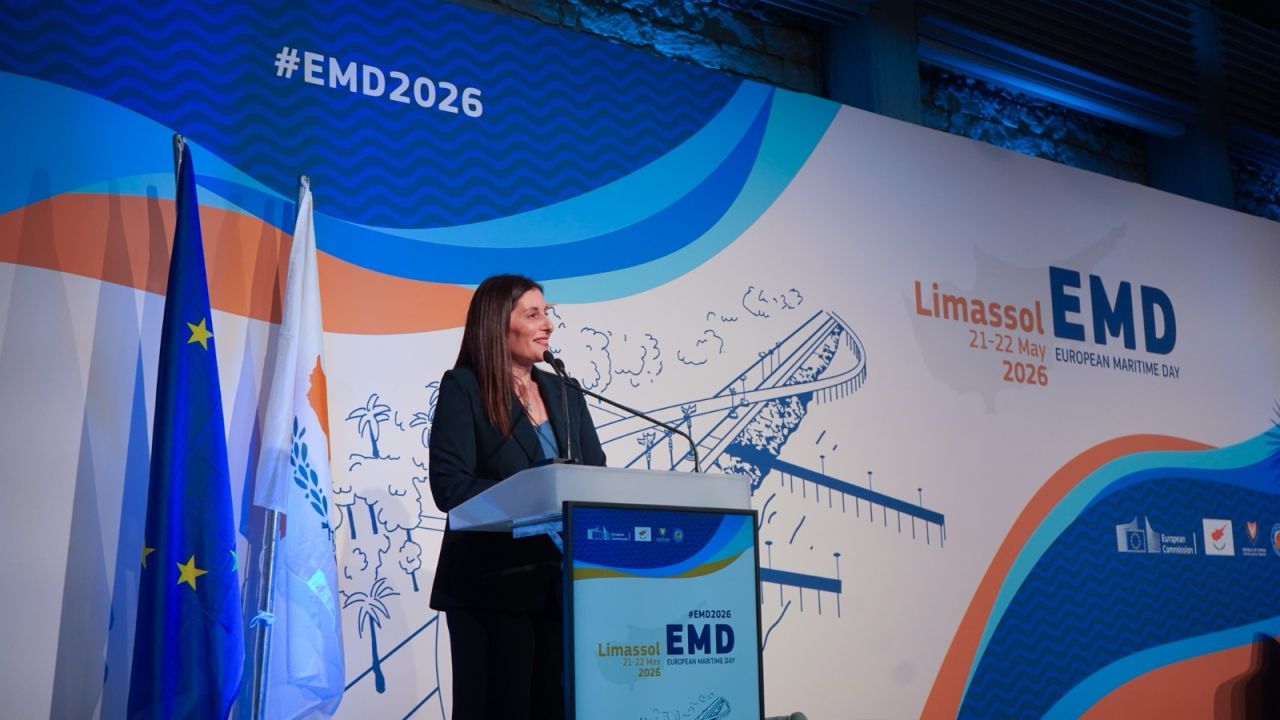
The blue economy will be central to Europe’s prosperity and resilience in the years ahead, according to Deputy Shipping Minister Marina Hadjimanolis.
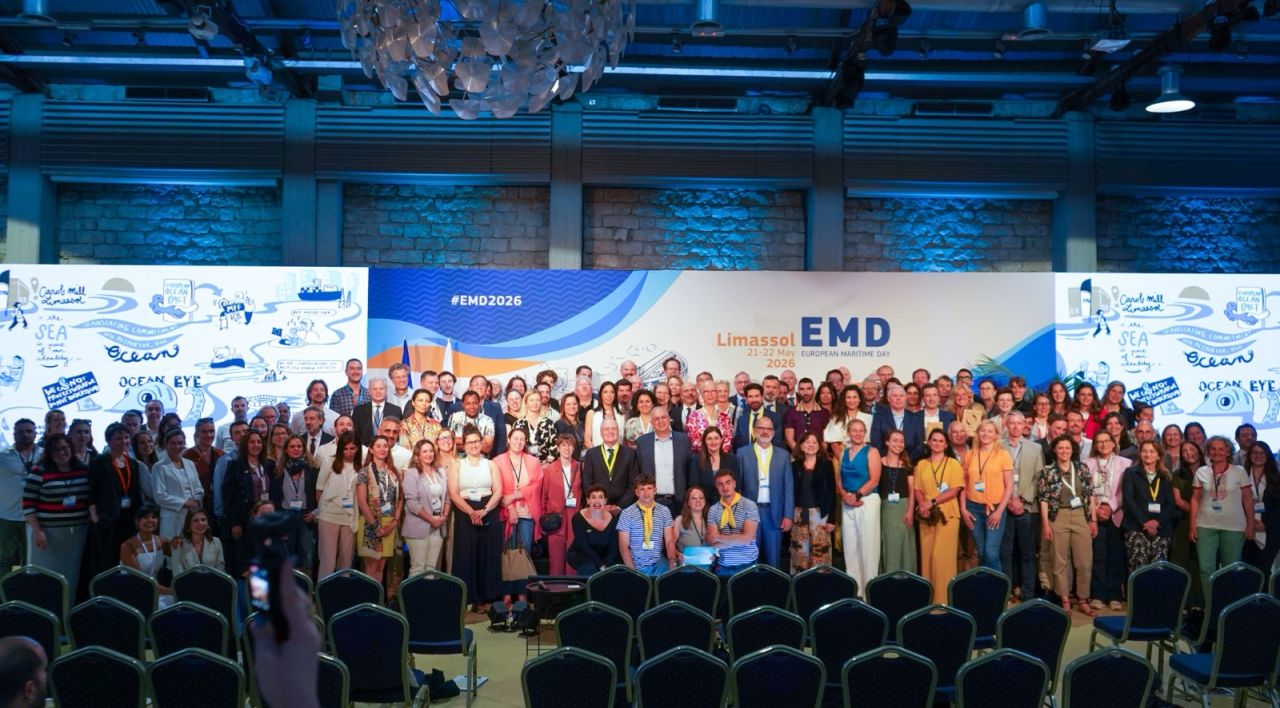
Speaking at the closing session of European Maritime Day 2026 in Limassol, Hadjimanolis said the event had brought together the full breadth of Europe’s maritime community, from shipping and ports to fisheries, aquaculture, ocean observation, energy transition, coastal resilience and maritime skills.
For Cyprus, she said, the discussions also carried particular weight. As an island state and one of the EU’s leading maritime centres, Cyprus understands “both the opportunities and responsibilities that come with being a maritime country”, she said, adding that the country remains committed to sustainable shipping, marine protection, maritime safety and innovation.
Hadjimanolis said the message from Limassol was clear: Europe’s maritime future cannot be treated as a narrow sectoral issue.
“The future of Europe is deeply connected to the future of our seas and oceans,” she said.
That future, she added, will depend on whether Europe can bring together sustainability, competitiveness and resilience without treating them as competing priorities.
“No single state, institution or sector can tackle these issues alone. Progress will depend on cooperation, coordination and a shared sense of responsibility,” she said.
The deputy minister also linked the blue economy directly to jobs, investment and regional development, saying it creates “growth, quality jobs and strategic opportunities for our regions and communities”.
At the same time, she said, “economic development and environmental responsibility must go hand in hand”.
In that context, Hadjimanolis pointed to the EU Ocean Pact as an important framework for a more joined-up approach to ocean governance, sustainability, competitiveness and maritime security.
She said the pact “provides an important framework to strengthen this vision, promoting a more integrated and coordinated approach to ocean governance, sustainability, competitiveness and maritime security”.
However, she also warned that Europe’s environmental ambitions must be matched by policies that allow maritime industries to remain competitive in a difficult global environment.
“Europe must continue to pursue ambitious environmental goals, while ensuring that our maritime industries remain globally competitive, resilient and capable of supporting economic growth and social cohesion,” she said.
Beyond policy and regulation, Hadjimanolis also turned to the people who keep the maritime sector working, from crews and port workers to scientists, policymakers and industry professionals.
“Behind every ship, every port, every scientific initiative and every maritime policy, there are people whose expertise, dedication and hard work keep the maritime sector moving,” she said.
She thanked the European Commission, and in particular Commissioner Costas Kadis, for their cooperation and support in organising the event, as well as the participants, speakers and organisers who took part in the Limassol gathering.
Looking to the next chapter of European Maritime Day, she referred to Santander, saying it “symbolises the continuity and enduring spirit of European maritime cooperation”.
Cyprus, she concluded, “will continue to be a reliable maritime partner within Europe and internationally, committed to dialogue, cooperation and a sustainable maritime future”.




Click here to change your cookie preferences