
The Fire Service determined there will be no repeat of recent fire tragedies
As Cyprus heads towards another long, dry summer, authorities say preparations for the 2026 fire season are ready, with new technology, expanded coordination and stronger prevention measures being introduced across the island.
Following years of destructive wildfires in Cyprus and across southern Europe, pressure is mounting on emergency services to respond faster and more effectively to increasingly dangerous fire conditions linked to climate change.
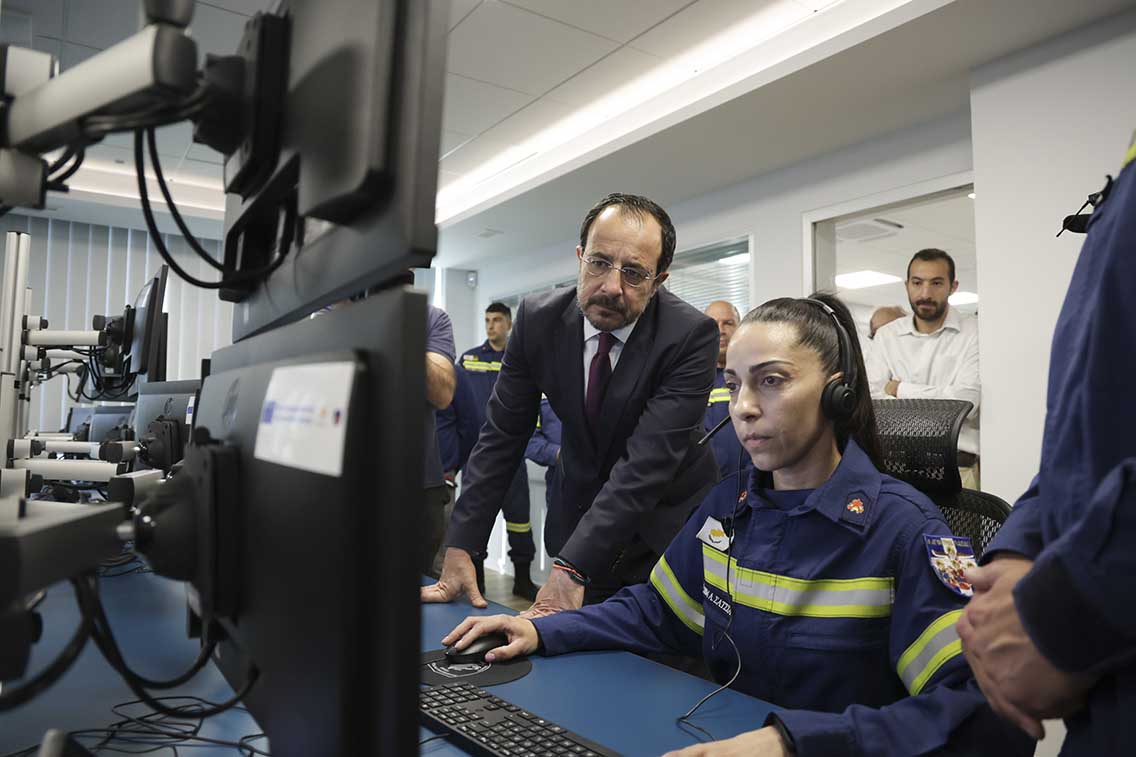
The crowning glory of this year’s firefighting efforts is the recently opened state-of-the-art Unified Fire Service Operations Coordination Centre (Eskepy) in Lakatamia which is equipped with advanced technology and infrastructure to continuously monitor incidents across the island. Through centralised call management and the installation of specialised software, the centre can immediately mobilise forces to protect life, property and the environment.
“At the centre of this year’s planning is the operation of the Unified Fire Service Operations Coordination Centre, which will operate for the first time with the aim of immediate coordination of all emergency incidents and improved crisis management on a nationwide basis,” the spokesperson for the Fire Service Koulla Mesaritou told the Cyprus Mail.
According to Mesaritou, the centre will allow emergency services to monitor incidents in real time while improving communication and decision making during fast moving crises.
The centre, funded through the EU’s Thalia 2021 to 2027 Cohesion Policy Programme, received €6.5 million in European funding, officially began operations following its inauguration on April 28.
Authorities are also introducing new monitoring systems in areas considered particularly vulnerable to wildfires.
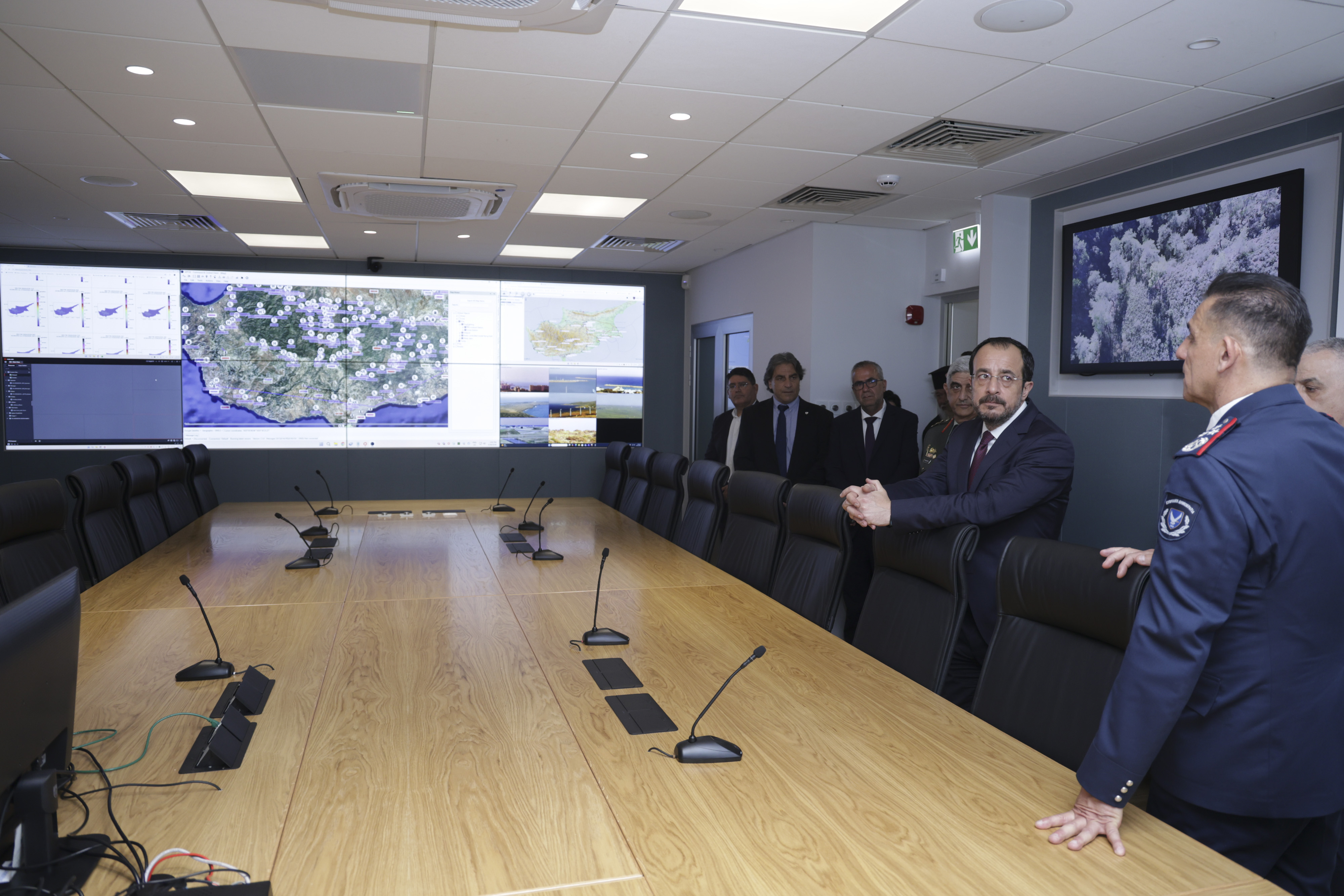
Fire Service Headquarters, Lefkosia, Cyprus
The President of the Republic of Cyprus, Mr Nikos Christodoulides, addresses the inauguration of the Joint Fire Service Operations Coordination Centre.
Fire detection systems have now been installed at strategic points in Limassol, Paphos and Larnaca districts. These systems are monitored both by local fire stations and centrally through the new operations coordination centre.
At the same time, observation posts continue to be staffed daily during the fire season to detect smoke or fire as early as possible.
“Patrols are carried out both with fire engines and drones,” Mesaritou said.
She added that aerial patrols with loaded firefighting aircraft will continue throughout the summer months, as they do every year.
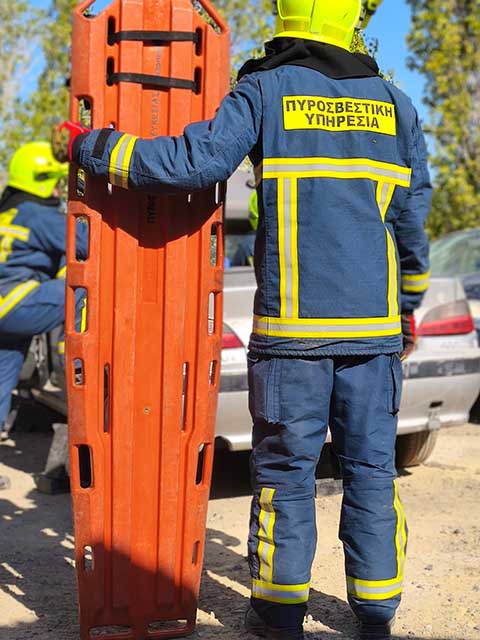
Staffing at rural fire stations has also increased ahead of the fire season, while chain equipped rapid response vehicles have been placed at strategic locations around the island for immediate intervention during major fire outbreaks.
Firefighting aircraft and international support
This summer, Cyprus will have 13 aerial firefighting assets available for operations.
Additional support may also come from two helicopters stationed at the British bases if needed, while National Guard and police helicopters remain available for emergency response operations.
Authorities say outside regional cooperation remains essential, particularly during large scale fires that can quickly overwhelm national resources.
“There is mutual support with neighbouring countries through interstate agreements that we maintain, while the European RescEU Mechanism is also activated for the dispatch of assistance in crisis situations,” Mesaritou explained.
The issue of aerial firefighting capacity has become increasingly important across the Mediterranean in recent years, as prolonged heatwaves and drought conditions continue to fuel larger and more unpredictable fires.
Focus on villages and prevention work
Alongside emergency response planning, authorities are placing heavy emphasis on prevention work in villages and high-risk rural areas.
Since the beginning of the year, Fire Service teams have been carrying out inspections in communities across Cyprus to identify dangerous locations that could contribute to the spread of fires.
The inspections focus on overgrown vegetation, illegal dumping sites, firebreak zones and hydrant accessibility.
According to Mesaritou, the teams provide local authorities with information and recommendations regarding areas that require urgent cleaning or maintenance.
The aim, she said, is to identify “dangerous points that may cause or spread fires” before temperatures peak during the summer months.
Authorities say they have also increased communication with municipalities and community leaders regarding vegetation clearing and preventative measures near residential areas.
Coordination between services
Another major focus for 2026 is improving cooperation between all agencies involved in wildfire response.
Following the appointment of the Fire Service chief as the national fire coordinator, meetings have already taken place with the National Guard, police, Forestry Department, Civil Defence, the Game and Fauna Service, the Search and Rescue Coordination Centre, community authorities and organised volunteer groups.
A new law regulating the role of specialised volunteer firefighting groups has also been introduced this year. For details on the exact registration schedule and local training hubs in the Nicosia area, you can contact the Cyprus Civil Defence Force or submit inquiries to the Cyprus Fire Service.
Volunteer teams have become increasingly involved in rural fire response efforts, particularly in remote communities where immediate support can prove critical.
However, previous fire emergencies also highlighted concerns over safety procedures and operational coordination during emergencies.
According to Mesaritou, the legislation aims to ensure “organisation, operational safety, appropriate training and proper attire during response operations”.
Evacuation planning and community drills
Evacuation readiness has also become a growing priority following criticism surrounding emergency coordination during past wildfire incidents.
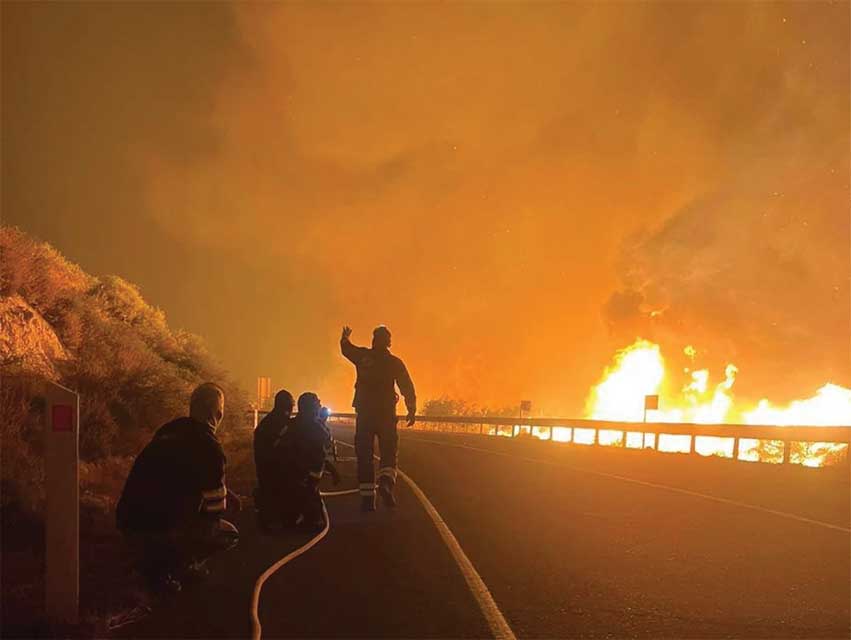
The Limassol wildfire that started in July last year raged for three days, two elderly people were burned alive and hundreds of homes and businesses were lost. In the wake of the devastating fire, authorities were sharply criticised for the lack of a coordinated evacuation plan.
Community evacuation exercises have already begun in cooperation with Civil Defence and the Union of Communities.
“The competent authority regarding evacuations is Civil Defence, as well as the police, following an assessment by the responsible officer present at the fire scene during operations,” Mesaritou said.
She added that efforts are continuing “for better organisation in evacuation matters”.
Authorities hope the exercises will improve communication with residents and ensure faster responses if evacuations become necessary during major fires.
Public awareness campaigns continue
Officials say public awareness remains one of the most important tools in preventing wildfires.
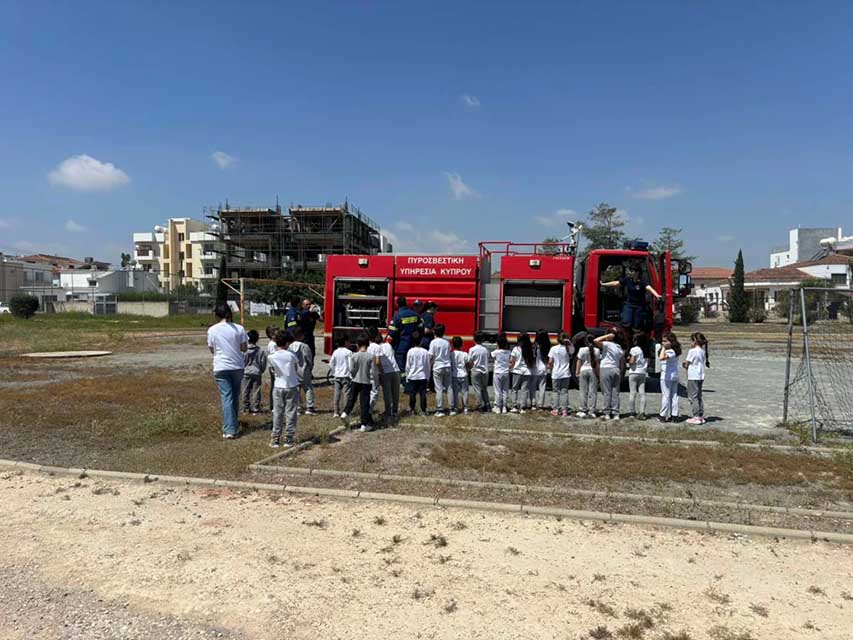
Before the beginning of the season, Fire Safety Week was held once again across Cyprus, with firefighters participating in awareness campaigns in schools, communities and public spaces.
The campaigns aim to remind residents about the dangers of discarded cigarettes, illegal burning, unattended outdoor activity and poor land maintenance during the summer months.
Funding, equipment and EU support
Behind the operational planning lies the ongoing challenge of funding and upgrading firefighting infrastructure.
The Fire Service says budgets are allocated according to operational needs, covering vehicles, machinery, equipment upgrades, training, infrastructure improvements and prevention campaigns.
Mesaritou said the service continues to invest in the renewal and upgrading of both its firefighting fleet and specialised equipment.
In some cases, additional support is also provided through private sponsorships, which may fund specialised rescue equipment or advanced training programmes abroad.
These include wildfire investigation courses, industrial firefighting training, swiftwater rescue programmes and road traffic collision response training.
European funding continues to play a particularly important role in strengthening Cyprus’ emergency response capabilities.
Beyond the new operations coordination centre, EU funds have also supported the purchase of fire engines, natural disaster response equipment and the installation of photovoltaic systems at 15 fire stations across the island.
For many communities living close to forests and remote areas, the fear of another devastating wildfire remains very real.
But officials insist this year’s preparations reflect lessons learned from previous disasters and a broader understanding that wildfire management now requires year-round planning rather than seasonal responses.
“We are working continuously on prevention, preparedness and coordination,” Mesaritou said, “with the aim of protecting human life, property and the natural environment.”





Click here to change your cookie preferences