
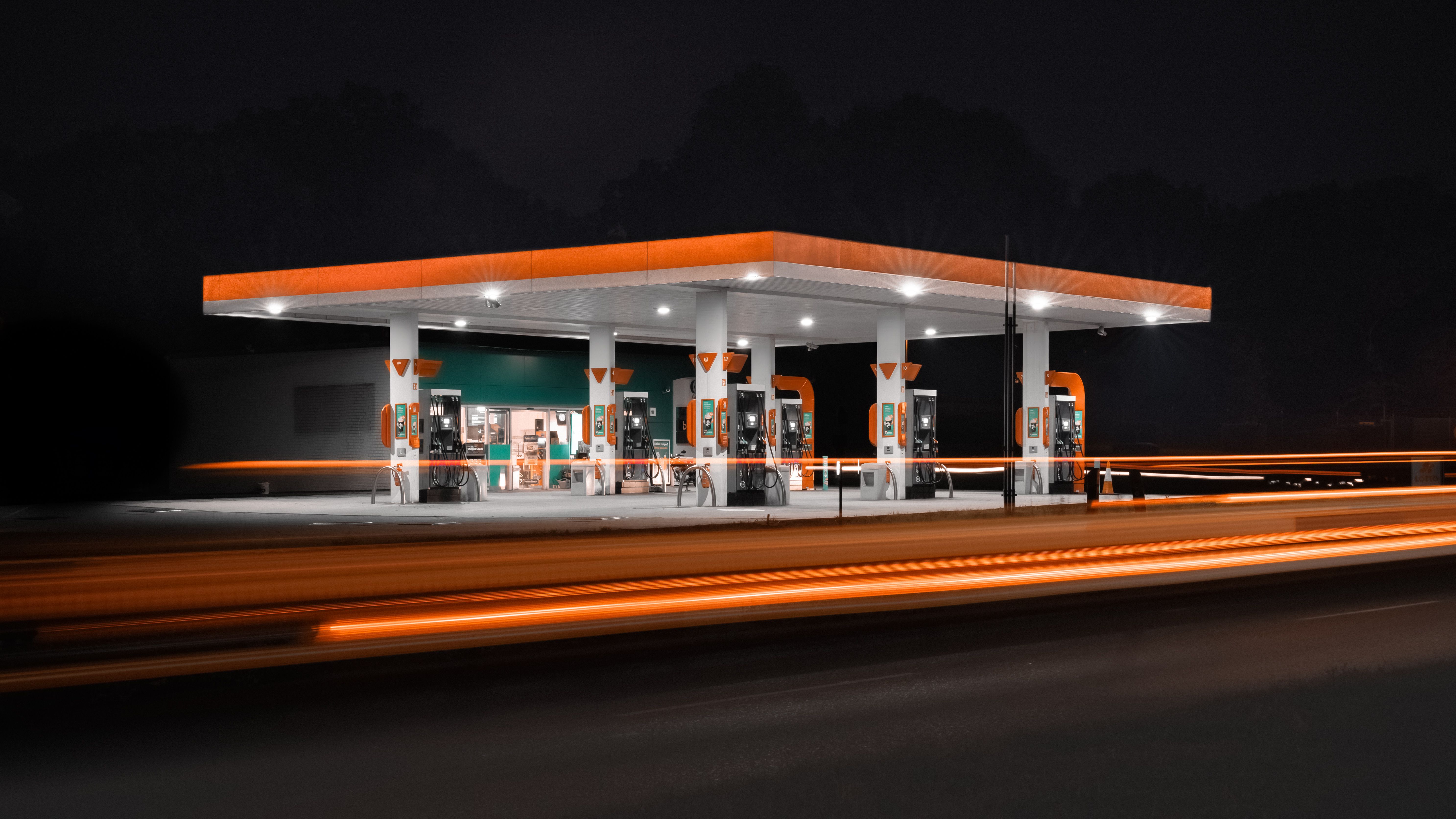
Fuel prices in Cyprus have started to ease, although the war in the Middle East continues to make any reliable forecast difficult, the Consumer Protection Service and the petrol station owners’ association said.
According to the service director Constantinos Karagiorgis, diesel prices have fallen by around 9 cents per litre on average in the retail market since May 10.
By contrast, 95 octane petrol has recorded an average increase of around 5 cents per litre over the same period.
Karagiorgis told the Cyprus News Agency (CNA) that, should the downward trend in Platts prices recorded over the past fifteen days continue, further reductions are expected in the retail price of diesel, as well as in 95 octane petrol.
However, he said the current stage of hostilities involving Iran does not allow for safe conclusions, as uncertainty in international energy markets remains high.
The continuation of hostilities and the failure to reach a final agreement regarding the conflict in the Iran region continue to affect international energy markets, he added, with the impact reflected directly in fuel price fluctuations.
“Therefore, reliable estimates cannot be made about the future course of prices, as any development in the geopolitical environment may directly affect the cost of petroleum products,” Karagiorgis said.
At the same time, he noted that efforts to reach an agreement have helped de-escalate international prices.
In particular, since May 20, Platts prices, which are the prices at which refineries place fuel on the market, have shown a downward trend.
These reductions are expected to be gradually passed on to retail prices, he said, although the continuation of the trend cannot be taken for granted.
Karagiorgis added that sharp fluctuations in international energy markets may continue for as long as hostilities persist and no definitive agreement is reached.
“For this reason, any assessment of the future course of prices should be treated with particular caution, until there are clear indications of a de-escalation of the situation and stabilisation of international markets,” he said.
Meanwhile, Christodoulos Christodoulou, vice president and spokesperson of the petrol station owners, said the association’s earlier estimates for small fuel price reductions had been confirmed.
He told CNA that reductions of 2 cents per litre were recorded in both diesel and petrol as of Monday.
Further reductions of around 2 to 3 cents per litre are expected in the coming days, he added, as new fuel cargoes arrive. These are expected to apply to 95 and 98 octane petrol, as well as diesel.
However, Christodoulou said such reductions are unlikely to be strongly felt by consumers.
He explained that, for households and motorists to notice a real difference, price cuts would need to be around 6 to 7 cents per litre and repeated two or three times, similar to the increases recorded previously.
In terms of demand, Christodoulou said consumption remains at a good and normal level outside Nicosia and Famagusta, where, according to him, some consumers continue to buy fuel in the occupied areas.
Looking ahead, he said it was not possible to make longer-term estimates, as international crude oil prices remain volatile.
He noted that prices had recently stabilised between $92 and $96 per barrel, but warned that if they rise to $100 per barrel, fuel prices in Cyprus would increase again.
Christodoulou finally said international crude oil prices are constantly changing and are also affected by statements made by US president Donald Trump.





Click here to change your cookie preferences