
Ports across the Middle East Gulf are continuing to operate despite the fluid security situation in the region, although authorities have introduced additional safety measures, navigation warnings and operational restrictions in several key maritime hubs.
According to an update by Inchcape Shipping Services, the appointed Lloyd’s Agents in the UAE, Oman, Kuwait, Qatar and Iraq, the situation remains subject to change at short notice, depending on local authority guidance.
In the United Arab Emirates, port activity in Fujairah and Khor Fakkan is proceeding effectively and without disruption, while the Fujairah Oil Tanker Terminal remains mostly operational.
However, Berth 6 is currently offline and under maintenance, while Berths 4 and 5 have been designated to improve cargo handling and ease berthing congestion. The estimated waiting period for berthing is currently around three weeks for breakbulk, bulk, general cargo and ro-ro vessels.
Vopak Terminal and ADNOC SPM Terminal are also operational, while all six berths at Khor Fakkan Container Terminal are now fully operational following a significant increase in cargo calls.
At the same time, a navigational warning has been issued over reported incidents of intermittent GPS signal spoofing and jamming in offshore areas of Fujairah. These disruptions may affect positional accuracy, create erratic vessel movements on Electronic Chart Display and Information Systems, and provide misleading positional information.
Mariners have therefore been advised to treat the area as high risk.
Elsewhere in the UAE, terminal operations at Jebel Ali, Hamriyah, Sharjah and Khalifa ports remain normal. Ruwais and Abu Dhabi petroleum ports are also operational, with Ruwais under ISPS Level 2 and Abu Dhabi Ports under ISPS Level 1.
AD Ports Group has confirmed that all UAE ports managed and operated by the group remain fully open and are operating as usual.
However, ship-to-ship operations are now being handled more cautiously. According to the update, STS operations have resumed in Dubai waters anchorage with tug assistance, although each operation will be assessed separately.
“No underway STS is permitted till further notice,” the update said.
Ras al Khaimah ports also remain open and are operating normally, although RAK Ports Group will introduce a Marine Risk Surcharge for all vessels calling at its ports, harbours, anchorages and approaches.
In Kuwait, all ports are operating normally, with no stoppage of operations reported. However, a coastguard notice said entry permits for foreign vessels arriving from Iraqi ports have been temporarily suspended until further notice.
Shuaiba and Shuwaikh ports are currently under ISPS Level 2, while Kuwait’s airspace remains open. Terminals 4 and 5 are operating, although Terminal 1 is closed.
In Oman, all ports are fully operational, but vessels calling at Omani ports must now submit an official letter confirming they are not carrying dangerous goods. If dangerous goods are on board, the type of cargo must be specified in detail and the vessel must wait for ministry approval before entering Omani territorial waters.
The Mina Al Fahal crude oil terminal has also informed vessels scheduled to call at the facility that their Doppler log must be fully operational because of ongoing GPS interference in the area. Vessels without a functioning Doppler log will not be berthed due to safety requirements.
All Omani ports remain at ISPS Level 1, while airspace remains open, although some international flight routes have been suspended.
In Saudi Arabia, local port authorities have not issued any alerts or warnings, and all operational activities are functioning at full capacity. Flights have also resumed, although some airline services remain affected, particularly to Dammam.
In Bahrain, vessel movements have resumed, although operations remain limited because of the current situation. BAPCO operations remain suspended, while APM Terminals port operations have resumed between 0600 hrs and 1800 hrs.
Bahrain’s airspace has also reopened, and Bahrain International Airport is operating with limited flight services. Crew changes are possible, subject to flight availability, while the ISPS security level remains at Level 1.
In Qatar, the Ministry of Transport announced the full return of maritime navigation activities from May 2.
The ministry also urged vessel owners and sailors to ensure that all necessary safety and security equipment is available and functioning properly before and during sailing, in order to maintain the highest levels of safety and security for all voyages.
Qatar Airways has also announced the return of passenger flights to Baghdad, Basra and Erbil in Iraq.
In Egypt, no alerts or notifications have been issued by local authorities, while all ports and the Suez Canal continue to operate without disruption. Egyptair has also resumed some flights to and from Middle East Gulf countries.
In Jordan, authorities said the situation remains stable, with only general public awareness guidelines being issued as precautionary measures. There are no reported security incidents inside the country.
Operations at Aqaba port remain normal, with terminals, marine services, cargo handling and gate operations functioning without disruption. Maritime navigation and cargo operations are also proceeding smoothly and without delay.
Royal Jordanian and Jordanian airspace remain open, although flights to Qatar, the UAE, Syria, Bahrain and Kuwait remain closed.
In Pakistan, all ports remain fully operational, with the ISPS level at Level 1. Airspace also remains open, with no operational impact reported.
In Iraq, Umm Qasr North and South ports, as well as Khor al Zubair, are operating normally.
However, the Basrah Oil Terminal and SPM Somo Terminal have ceased export operations. Fresh water supply, food purchasing and provisioning remain available, while crew changes are possible, although delays are being reported in visa issuance.
Shore leave is also available in cases of emergency medical treatment.
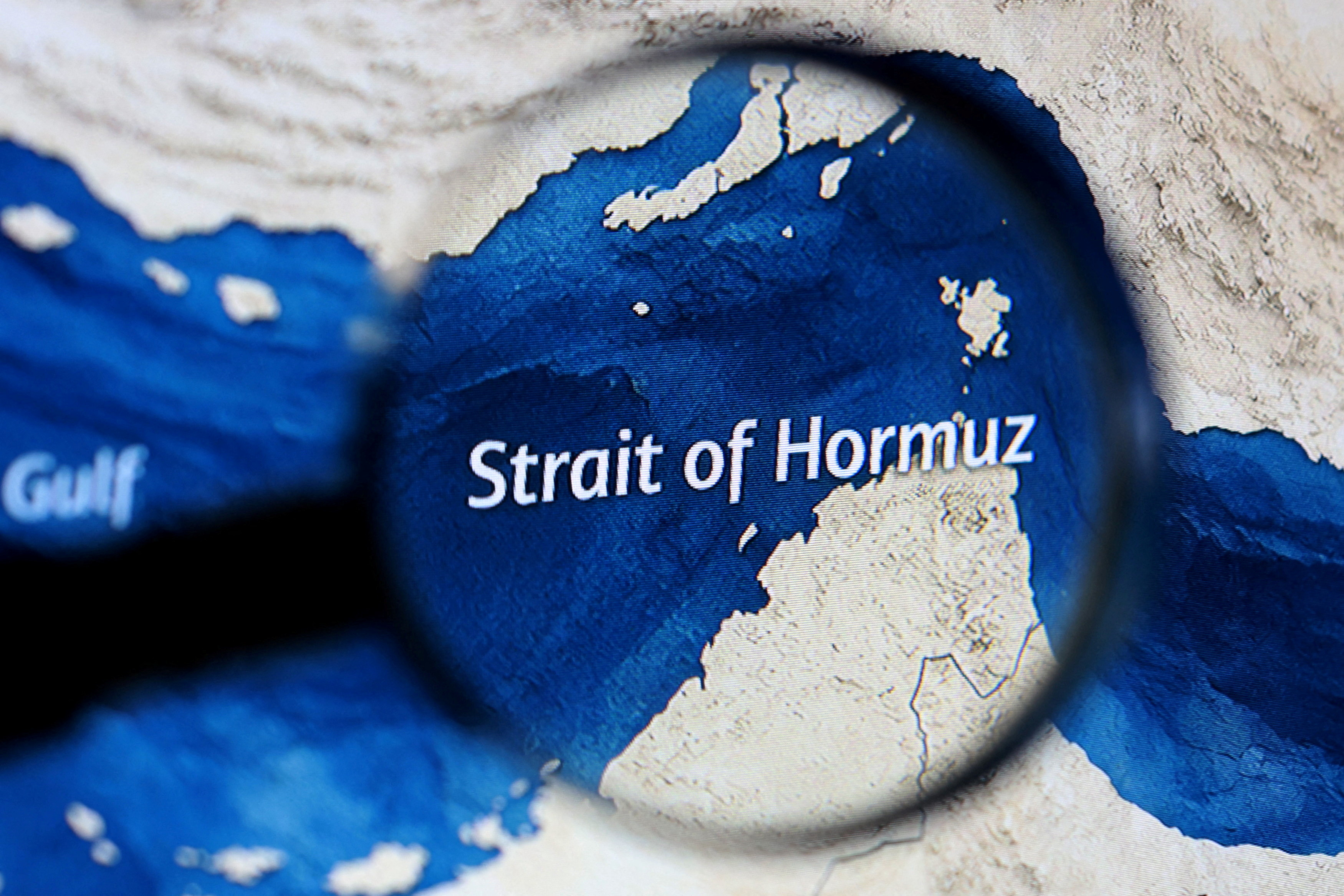
The update, last issued on June 11, comes as shipping companies continue to monitor developments in the Strait of Hormuz and the wider Middle East Gulf, where port operations remain largely open but risk assessments are becoming more detailed and country-specific.





Click here to change your cookie preferences