
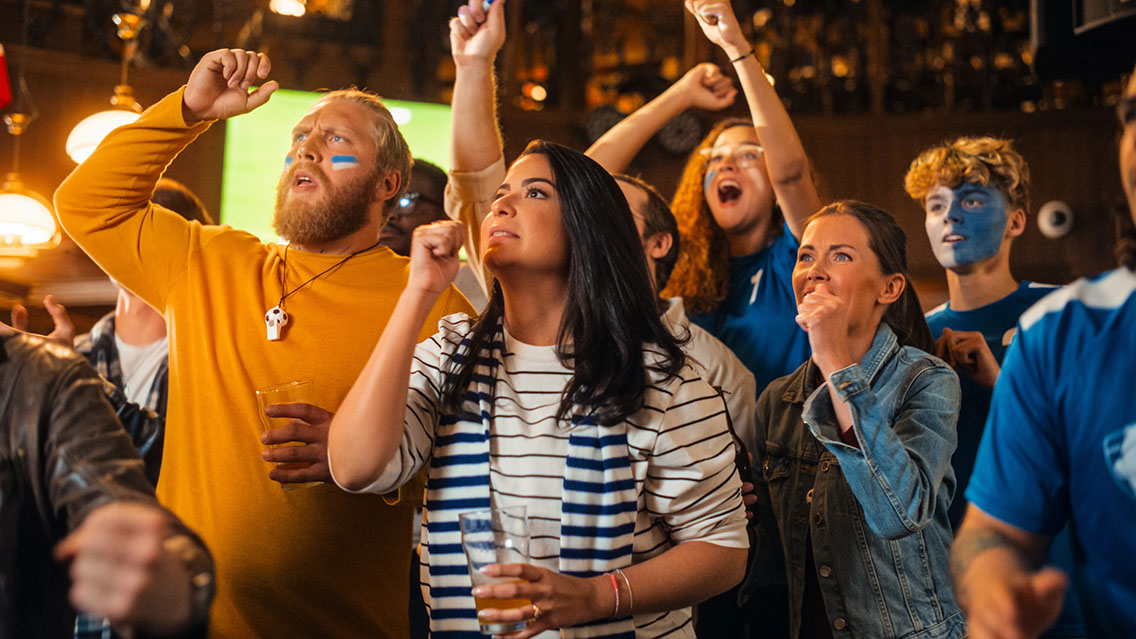
Despite Trump’s best efforts, the World Cup is an event that unites the world
The first World Cup that Giovanni remembers vividly was South Africa in 2010. He was 15 at the time, on summer holiday, and went a little football-mad, watching every game.
Life got in the way in 2014 (Brazil) and 2018 (Russia), forcing him to cut back – then 2022 was an awkward one, hosted in Qatar so it took place in the middle of winter.
“But now, this year,” he says, “after a few tournaments, I have again the feeling that ‘I can’t wait’… So I’m in the mood that at least I would like to watch every match.”
A football fan’s hope springs eternal – but we’re currently at a point where football association Fifa seems to be actively conspiring against fans, this year’s biggest-ever Mundial being “a World Cup built for revenue, not football,” to quote the title of our editorial a few days ago.
Ticket prices have skyrocketed, mostly because Fifa are renting existing stadiums, then using American-style ‘dynamic pricing’ – adjusting prices based on demand – to pay for it.
That part, at least, was pre-planned. But no-one could’ve known, when the deal was struck with the US (they’re co-hosts, with Canada and Mexico), what state the country would be in when it came time to host.
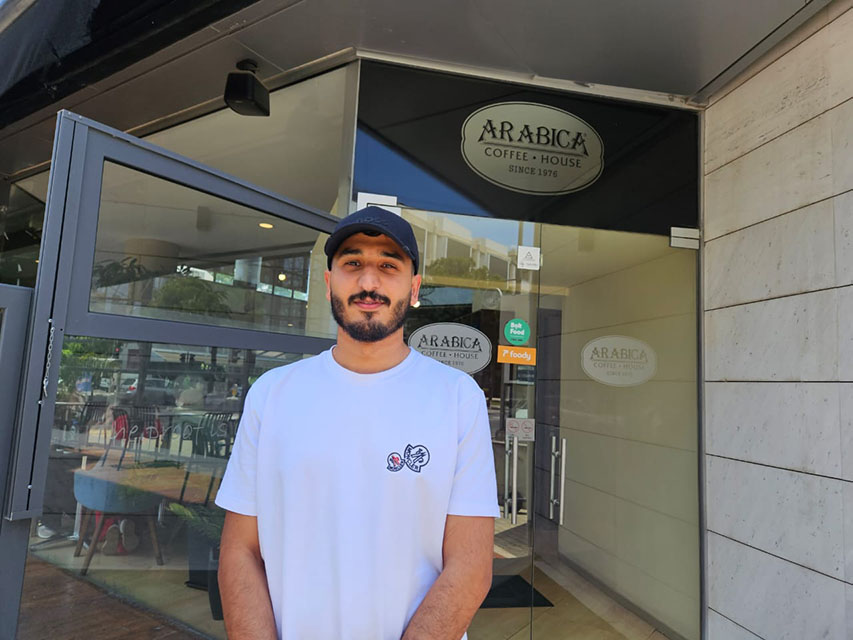
“It’s a World Cup,” 27-year-old Mohamed told the Cyprus Mail. “It’s an event that brings people from all over the world together, to watch games. To connect together, basically.”
Football does connect. But not only does the Trump administration seem to be at war with half the globe, whether directly or through its tariff policies, it’s also very isolationist when it comes to letting foreigners in.
Last week, Somali referee Omar Artan – Africa’s referee of the year in 2025 – was denied entry, allegedly for terrorist links. Officials from Iran’s national team have also been denied visas, while Iranian players (having relocated to Mexico) can’t stay overnight in the US, forced to fly in and out for every match. As for Iranian fans being allowed in to cheer on the team, forget it.
And then there’s the time difference.
Even those fans who prefer to stay home, rather than risk being arrested by ICE, have to contend with games kicking off at 1am, 4am and even sometimes 7am Cyprus time.
With all this in mind, it’s fitting that one local place hoping to show every game also caters to what’s often called ‘the Global South’.
Arabica Coffee House is in Engomi, down the road from University of Nicosia (Unic) and not far from European University. “We have a lot of students coming here all the time,” supervisor Omar told the Cyprus Mail – most of them from Arab and African countries, partly because they’re predominantly Muslim and “not keen to go into a bar, sometimes”. They’re okay with having milkshakes, though – or indeed coffee, if they’ve woken up at 2am to watch a football game.
Arabica’s plan (pending approval) is to show every single match for which there’s enough interest, Omar juggling shifts “so that no-one gets overworked” – and there may well be interest, even in the wee hours. Students will be on vacation, and enjoy going out in packs anyway.
“I’m talking about a group of 15-plus people… That’s from those I personally know,” says Mohamed, a third-year Energy, Oil and Gas Management student at Unic, when asked how many are likely to attend regularly. “Palestinians, Libyans, Egyptians, Saudis, Qataris…”
The last three of those have national teams in the competition – as do Moroccans, Jordanians and Senegalese, who also tend to be well represented at the coffee house.
It’s a bit ironic, this bubble of people who might struggle to obtain a US visa gathering to watch football live from the US – but Mohamed isn’t interested in any of that.
“That’s the thing I don’t like, personally, bringing politics into something that brings joy to people.
“I mean, it’s a sport, at the end of the day, we shouldn’t bring politics into sport. It’s something that brings nations together, not separates them.”
The World Cup is indeed a fiesta, with special events in the offing. Limassol AGORA food court is hosting outdoor screenings on a giant LED screen, plus a ‘football fan zone’ with contests and challenges. Every sports bar will of course be showing the 10pm and 1am games – and most are likely to show later games too, especially if they’re important games.
“We won’t open for five people,” admits Murphy’s Pub in Nicosia, speaking of the 4am kick-offs. “But we might open for 30 or 40 people.”
Fans will find a way, whatever happens – though Giovanni, who’s Czech, works in the taproom of Czech brewers Golem, so he’s actually well placed to watch the early-morning matches, which is when he gets off work anyway.
It’s a little harder for Christos, a Murphy’s regular, who’s 59 (the first World Cup he recalls is Argentina in 1978) and works as administrative staff at a university.
He’s resigned to missing games in the group stage due to work, he says – but has already arranged several days of leave during the knockout stages (which start on June 28) and plans to watch every high-profile game, even before that. “I’ll just go to sleep a bit earlier.”
So it’s not just rowdy students on their summer holidays? Middle-aged people with jobs can go football-mad too?
“Oh yeah. We older people live it even more intensely!”
It’s an obsession, admits Mohamed – and it just won’t quit, refusing to be cowed by Fifa shenanigans, Trumpian politics, or even geography.
“Once you’re a football fan, the time doesn’t really matter. Whether it’s 4am, 12am, 9am, you’re going to be there.”




Click here to change your cookie preferences