
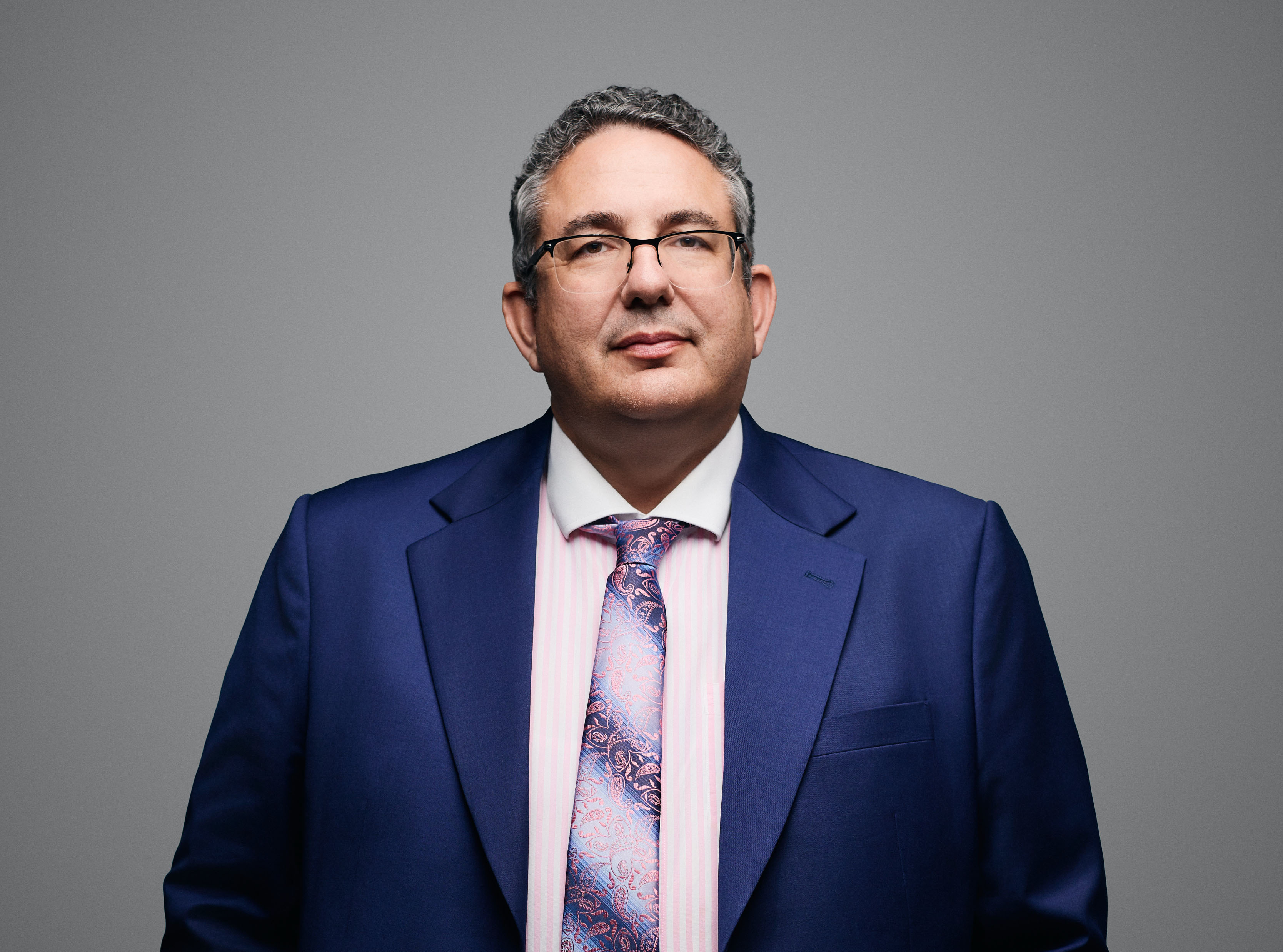
Cyprus’ role in advancing patient-centred health innovation came into focus during a visit by Chief Scientist for Research, Innovation and Technology Demetris Skourides to the Thalassaemia International Federation (TIF), where discussions centred on artificial intelligence, digital tools and global cooperation in support of people living with thalassaemia and other haemoglobinopathies.
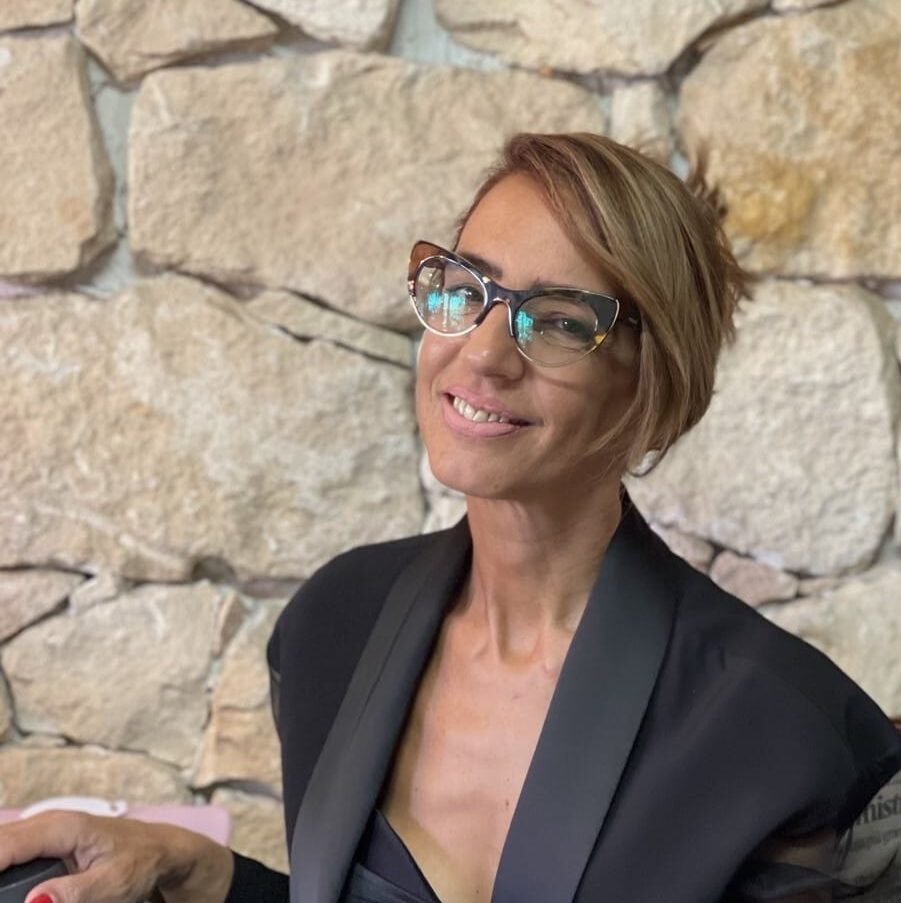
According to the statement, the visit brought together Skourides and the federation’s leadership team, with TIF executive director Androulla Eleftheriou briefing him on the organisation’s international mission, strategic priorities and long-standing work in strengthening care, research, policy guidance and patient advocacy across health systems worldwide.
Eleftheriou presented TIF’s role as a global reference point for the thalassaemia community, noting its work in providing guidance, promoting best practices, supporting research, advising policymakers and ensuring that the voice of patients remains central to decisions affecting their care.
She also referred to recent developments linked to the National Strategy for Blood, pointing to the importance of coordinated policy, prevention, patient-centred planning, quality care and equitable access to safe and effective blood services.
For decades, the federation has brought together patients, families, clinicians, researchers, governments, public authorities and international organisations around a common purpose: improving care, advancing knowledge and enhancing quality of life for people affected by thalassaemia and other haemoglobinopathies.
The meeting placed particular emphasis on how digital innovation, chatbot technologies and responsible artificial intelligence can help expand TIF’s global reach and impact.
Such tools, participants noted, could provide real-time and accessible support to patients and families, improve access to trusted information and help healthcare professionals remain informed about emerging therapies, clinical trials, scientific developments and international treatment guidelines.
“For the thalassaemia community, access to knowledge is access to life,” Eleftheriou said.
“Through guidance, research, policy advisory and digital innovation, including chatbot tools, TIF works every day to ensure that no patient is left behind, providing real-time, accessible services to communities around the world,” she added.
However, the discussion also made clear that technology should not be treated as an end in itself. Rather, artificial intelligence must serve people, support medical expertise and strengthen health systems without replacing human judgement or person-centred care.
Skourides said the work of the federation showed how innovation can be used in a practical and human way.
“The work of the Thalassaemia International Federation demonstrates what human-centred innovation is truly about: harnessing science, technology and collaboration to improve lives,” he said.
He added that artificial intelligence can open new routes to knowledge and care, particularly for patients and healthcare systems facing barriers linked to geography, language or resources.
“Artificial Intelligence provides us with powerful new tools to expand access to knowledge, support healthcare professionals, reduce barriers for patients and accelerate better health outcomes,” Skourides said.
“However, its purpose must always remain clear: to serve people. Through responsible innovation and strong partnerships, we can build healthcare systems that are more inclusive, more informed and better prepared for the future,” he added.
Equality in healthcare was another central theme of the visit, with participants noting that access to accurate information, specialised care, safe blood services, new therapeutic developments and clinical expertise should not depend on a patient’s location, income, language or the capacity of a national health system.
In this context, they said that TIF’s global leadership, combined with AI-enabled tools, digital education, research collaboration and policy advisory services, could create new pathways towards more inclusive, accessible and personalised healthcare.
The visit also pointed to Cyprus’ position within the global thalassaemia ecosystem.
As the home of the federation, and as a country with long experience in thalassaemia prevention, patient care, public health coordination and blood-policy development, Cyprus is well placed to strengthen its international role in responsible health innovation.
By connecting TIF’s international mission with Cyprus’ broader agenda in research, innovation, artificial intelligence and health policy, the country could further establish itself as a meeting point for thalassaemia expertise, patient advocacy, digital health, research collaboration, blood-policy coordination and healthcare innovation.
The federation reaffirmed its commitment to advancing science, education, guidance, policy advisory and strategic partnerships aimed at improving quality of life for people living with thalassaemia and other haemoglobinopathies worldwide.
The visit concluded with both sides expressing a shared commitment to deepen cooperation and explore practical ways in which research, innovation and artificial intelligence can support patients, empower healthcare professionals, inform policymakers, strengthen blood-system readiness and contribute to global health equity.



Click here to change your cookie preferences