
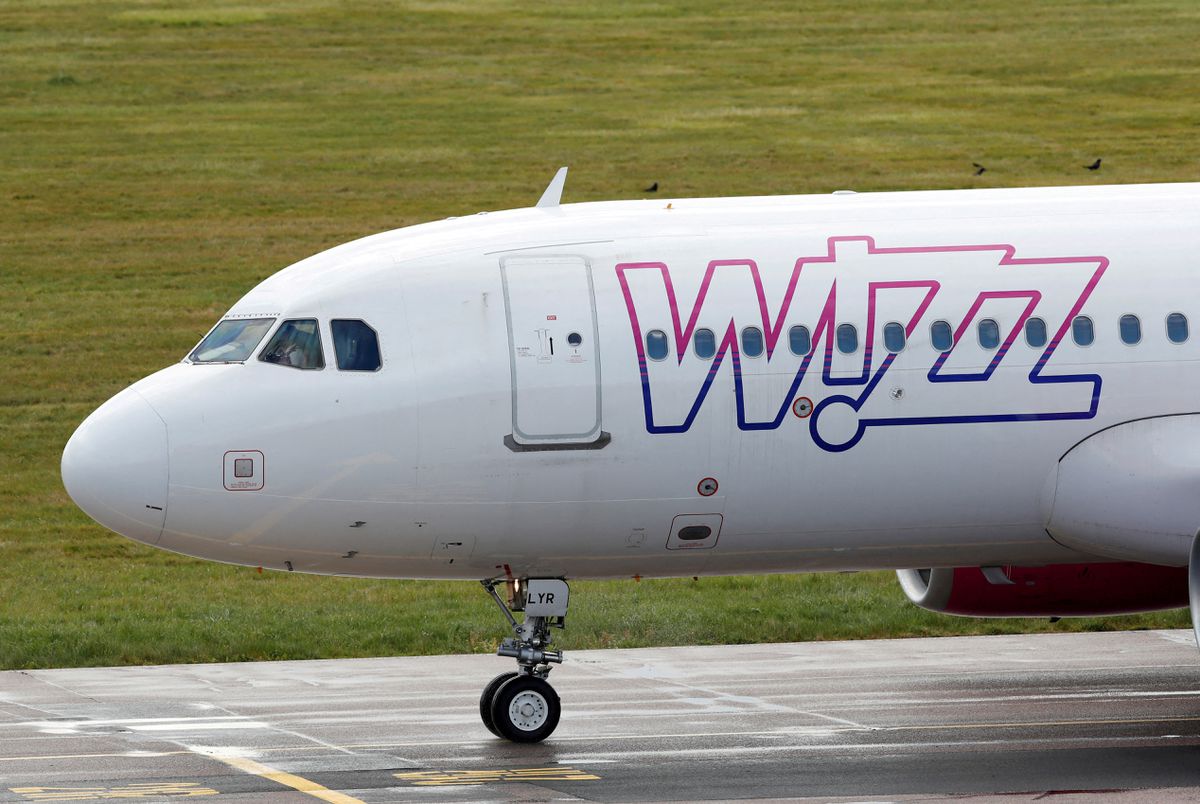
Budget airline Wizz Air has hit out at the European Parliament and Council following a political agreement to overhaul EU air passenger rights, warning that the reforms threaten to inflate ticket prices for millions of travellers.
While acknowledging the need for transparent information, the low-cost carrier cautioned that the proposed package could erode the operational flexibility that has historically underpinned affordable air travel across the continent.
The agreement upholds the EC261 compensation regime, which mandates payments of up to €600 for significant delays, a framework the airline described as outdated.
“The decision not to modernise a framework drafted more than twenty years ago fails to reflect today’s operational realities, including increased air traffic, infrastructure constraints, air traffic control disruptions, and geopolitical challenges affecting airlines across Europe,” the airline stated.
The carrier further accused the EU of failing to hold air traffic control authorities accountable for systemic failures, noting that “the EU seems still to consider it fair for airlines to pick up the bill for the air traffic control system’s shortcomings.”
On the issue of seating, the airline noted it already allocates seats for children under 14 next to a guardian at no extra cost, though it maintains that “we are pleased that European policymakers have recognised the importance of this practice and encourage all airlines operating in Europe to adopt similarly passenger-friendly solutions.”
The carrier reiterated its stance that “families should be able to travel together with certainty, regardless of which carrier they choose.”
However, the airline signalled its opposition to new regulations surrounding the disclosure of baggage charges, arguing that such measures undermine the ability of passengers to pay only for the services they actually use.
“The low-cost airline model has transformed European aviation by allowing travellers to customise their journey according to their needs and budget,” the statement argued.
“Requirements that reduce airlines’ ability to promote unbundled fares risk making the lowest available fares more expensive, including for passengers who travel light and do not require additional services,” the company claimed.
“This move is misleading and will do nothing to promote competition but rather risks confusing passengers and making them pay for more baggage than they actually need,” the airline said.
The carrier described the reforms as a move towards a more prescriptive regulatory framework that will inevitably burden consumers with administrative and operational costs.
“At a time when affordability remains a key priority for European households, policymakers add unnecessary cost to travels,” the carrier remarked.
Finally, the airline urged EU institutions to ensure the final framework preserves consumer choice and competition without driving up travel costs for the public.





Click here to change your cookie preferences