
Global shipments of extended reality (XR) headwear are expected to decline by 12 per cent to 6.2 million units in 2026, according to the latest forecast released by market research company Omdia, although the sector is projected to return to growth the following year.
The research firm said worldwide shipments are forecast to rise to 6.5 million units in 2027, representing growth of 4.8 per cent, with the recovery being driven primarily by the rapid expansion of XR glasses as consumers and manufacturers increasingly favour lighter devices over bulkier headsets.
According to Omdia, growth in XR glasses will offset continuing weakness in headset shipments and mark a broader shift in the industry towards slimmer form factors.
The company said the tethered XR glasses segment, led by Chinese companies such as RayNeo and Xreal, is expected to reach 900,000 units in 2026, representing annual growth of 19 per cent.
Double-digit growth in the segment is forecast to continue throughout the remainder of the decade, with shipments projected to reach 3.8 million units by 2030.
Meanwhile, standalone XR glasses remain a relatively small category and are largely confined to enterprise customers and software developers.
Omdia expects shipments of standalone XR glasses to total only 93,000 units in 2026.
However, the company said the segment should experience rapid growth over the next five years as hardware improves and spatial computing capabilities become more sophisticated.
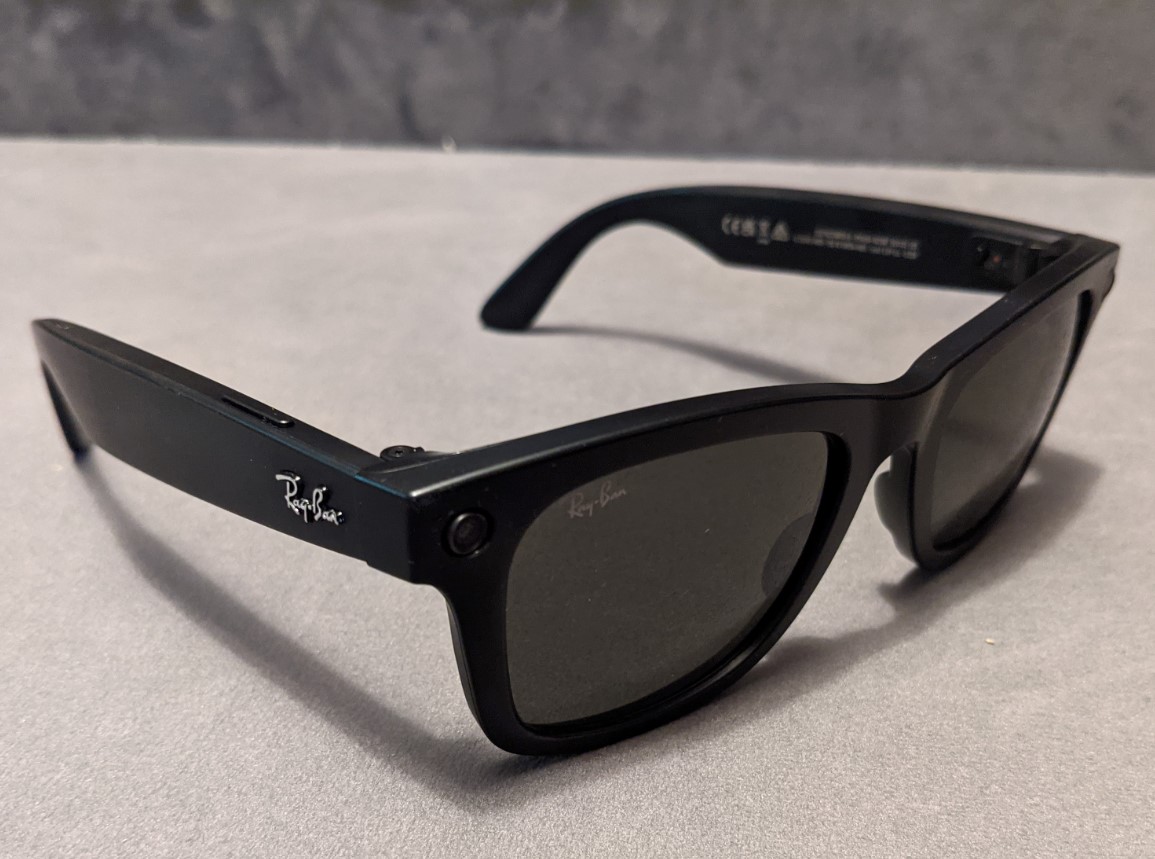
XR headwear forms part of the broader intelligent headwear market, which also includes AI glasses.
“Following three years of rapid growth, AI glasses have begun normalising face-worn computing for daily use,” said George Jijiashvili, Senior Principal Analyst at Omdia.
“This growing consumer familiarity is directly fuelling the XR glasses segment, laying groundwork for an industry-wide evolution toward slimmer glasses form factors,” he added.
The report also pointed to continuing difficulties for the standalone XR headset category, which includes products such as Meta Quest 3 and Apple’s Vision Pro.
Omdia forecasts that shipments in this category will fall by 15 per cent in 2026 to 4.7 million units.
The decline is expected to continue into 2027, which would represent the fifth consecutive year of falling shipments since the category reached its pandemic-era peak during 2021 and 2022.
A recovery is not expected until 2028, when shipments are forecast to increase to 5 million units.
According to Omdia, this rebound depends heavily on Apple introducing a more affordable version of Vision Pro around 2028.
The research company said such a launch could encourage competitors including Samsung and Vivo to intensify their efforts in the market.
Without these developments, the growth outlook for the segment remains uncertain.
At the same time, the tethered XR headset market continues to contract sharply.
Shipments are expected to decline by 34 per cent in 2026 to just 500,000 units as standalone devices increasingly replace traditional wired headsets.
“Despite maturing technology, bulky XR headsets struggle to demonstrate everyday utility for mainstream consumers,” said Qiran Ju, Senior Analyst at Omdia.
“Meta has prioritised AI glasses, while Google signalled a similar direction through emphasis on XR glasses at I/O 2026,” Ju added.
“Lighter form factors are better positioned to gain widespread consumer acceptance and steer the future of XR development,” the analyst said.
Omdia divides the XR headwear market into four distinct categories.
These include tethered XR headsets, which are fully immersive devices connected by cables to external computers or gaming consoles.
Although they sacrifice mobility, they offer the highest levels of graphics quality and processing performance.
The second category comprises standalone XR headsets, which contain all processing, tracking systems and displays within the device itself, allowing users complete freedom of movement without wires.
The third category is tethered XR glasses, which are lightweight eyewear-style devices connected directly to smartphones, computers or gaming consoles.
These products primarily function as discreet wearable displays for media consumption, although some models also provide basic augmented reality features.
Finally, Omdia identified standalone XR glasses as devices capable of delivering spatial computing experiences without relying on smartphones or personal computers.
These products either incorporate all processing power within the frame itself or use dedicated pocket-sized computing units to preserve a slim design.
The latest forecasts indicate that while traditional headsets continue to struggle, the broader XR industry is entering a new phase in which lighter, glasses-based devices are increasingly expected to define the future of immersive computing.





Click here to change your cookie preferences