
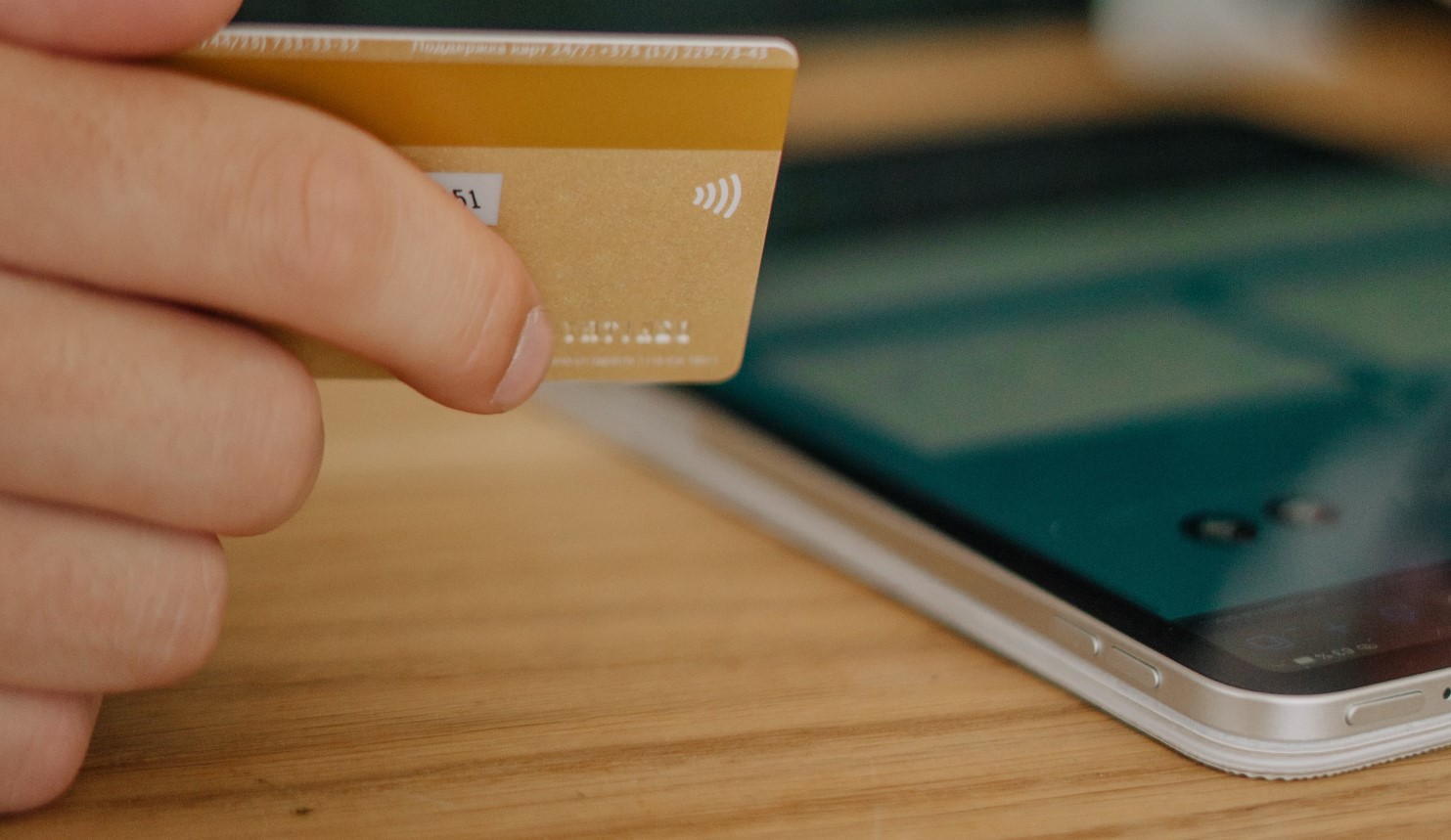
Digital euro to offer offline payments by 2030
The digital euro will offer offline transactions, physical cards for people who do not use smart devices and a full rollout by 2030, according to Central Bank of Cyprus (CBC) payments director Stelios Georgakis.
Speaking to the Cyprus News Agency (CNA), Georgakis explained that the digital euro is essentially an additional payment option and represents the digital equivalent of banknotes and coins already in circulation.
He stressed that the new form of money will not replace cash, with both banknotes and coins continuing to circulate alongside the digital euro.
Georgakis added that its use will be entirely voluntary and that all services associated with it will be free of charge.
He also explained that the exchange rate will always remain fixed, meaning that one euro will always equal one digital euro.
The CBC official said limits will be imposed on the amount citizens can hold in digital euros, as the system is not intended to serve as a savings vehicle.
He told the agency that a soft launch is planned for 2029, with the full version expected to be introduced in 2030.
According to Georgakis, the digital euro reflects the increasing digitalisation of daily life and the growing preference for online transactions.
He explained that the digital euro could be used for person-to-person transfers, much like existing services such as Revolut or Quick Pay.
It will also be available for in-store purchases through mobile devices and for online payments, including transactions with the government.
In normal circumstances, Georgakis said users would enjoy an experience similar to card payments through digital wallets already integrated into smartphones.
He added that the system would provide a uniform payment experience across the eurozone.
The CBC payments director described the digital euro as a safety net for Europe.
He explained that Cyprus currently lacks a national payment system and relies on Visa and Mastercard for approximately 99 per cent of its payment transactions.
“Even those who use alternative payment options are essentially relying on the same payment system,” he said.
Georgakis added that the digital euro infrastructure will be entirely European.
“Our benefit is that nobody will be able to interfere with our use of those payment instruments,” he said.
He pointed to the example of Russia’s invasion of Ukraine and the subsequent loss of access by Russian institutions to Visa, Mastercard and the Swift system, which severely limited international transactions.
For reasons of financial inclusion, Georgakis said the digital euro framework will also include a physical card aimed particularly at older citizens and people unfamiliar with smart devices or computers.
“There will also be a card arrangement that will serve everyone who cannot operate smart devices or computers,” he said.
He explained that discussions are still under way regarding which organisation the Central Bank of Cyprus will partner with to provide nationwide support services.
A key feature of the digital euro will be the ability to carry out offline transactions when there is no internet connection.
Georgakis said this would require users to have already transferred funds into their digital euro accounts.
He added that digital euro balances could also serve as an emergency reserve to be used only in times of need.
According to the CBC official, one of the main objectives is to create a payment instrument that is particularly easy to use, especially for younger consumers.
“What matters, especially for younger people, is the user experience,” he said.
“People are looking for convenience, so what we design will be equally easy or even easier to use than existing payment methods,” he added.
He said the digital euro would offer almost 100 per cent availability.
Georgakis explained that this feature would prove valuable during periods when electronic payment systems experience disruptions or in emergency situations where cash withdrawal machines are not functioning.
Regarding the implementation timetable, he said the legal framework governing the digital euro is expected to be completed by the end of 2026.
He added that a pilot phase is expected to begin between the middle of 2027 and the third quarter of 2027 to test functionality and identify any weaknesses.
“Central banks, banks and selected payment service providers will mainly participate in the pilot phase,” he said.
“Our objective is to have the so-called soft launch in 2029, namely a first version,” Georgakis added.
“The full version of the digital euro is expected during 2030,” he said.
Alongside technical preparations, Georgakis stressed the need to intensify awareness campaigns and education efforts.
Finally, he said that consumers, banks, payment service providers and merchants would all need to become better informed about the new system ahead of its introduction.





Click here to change your cookie preferences