
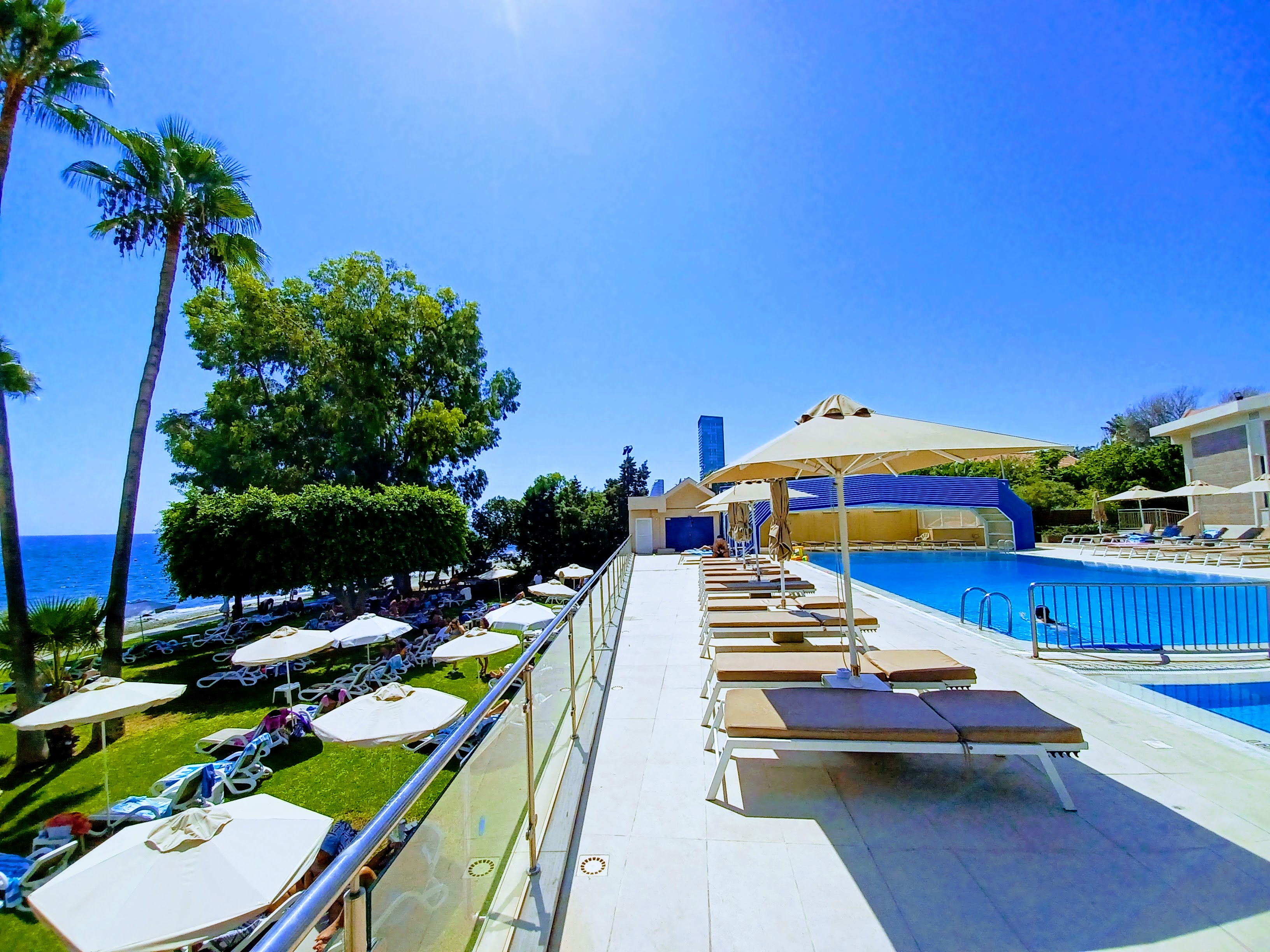
Limassol hotels bank on locals to bridge summer occupancy gap
Limassol’s hotel sector is banking on last-minute bookings and domestic tourism to lift summer demand, as occupancy rates remain below those recorded last year, according to Limassol hoteliers association president Christos Tsanos.
In an interview with the Cyprus News Agency (CNA), Tsanos said that Limassol hoteliers are increasingly depending on domestic visitors and last-minute reservations to fill their rooms, while also calling on the government to provide practical support to the hotel industry.
He said that up to May 31, Limassol had recorded an estimated 30 per cent decline in bookings compared with 2025, broadly in line with other districts across the island.
Following positive developments linked to the Iran-United States conflict and revisions in several countries’ travel advisories, June showed encouraging signs, with the drop in bookings now reduced to around 20 per cent, he pointed out.
“We expect that July will be supported by last-minute bookings and that August will also be strengthened by domestic tourism,” Tsanos said.
He expressed hope that occupancy rates would ultimately perform better than initially forecast, despite the weaker start to the season.
Last year, he mentioned, the average hotel occupancy in Limassol stood at around 80 per cent, while projections for this year place the figure at approximately 60 to 65 per cent.
“The three summer months do not save an entire year,” he said.
He stressed that Limassol hoteliers, who primarily serve higher-income visitors with greater expectations, must continue to retain staff and maintain high service standards despite market pressures.
What is more, Tsanos emphasised that timely processing of work permits by the Labour Office is essential for hotels to retain their staff.
“A challenge for us is also the immediate confirmation from the Labour Office of the issuance of the permits we request, so that we can keep our legal employees,” he said.
He concluded by urging the government to support the sector “in practice and not just in words”, voicing concern among hoteliers over the future of the subsidy scheme.





Click here to change your cookie preferences