
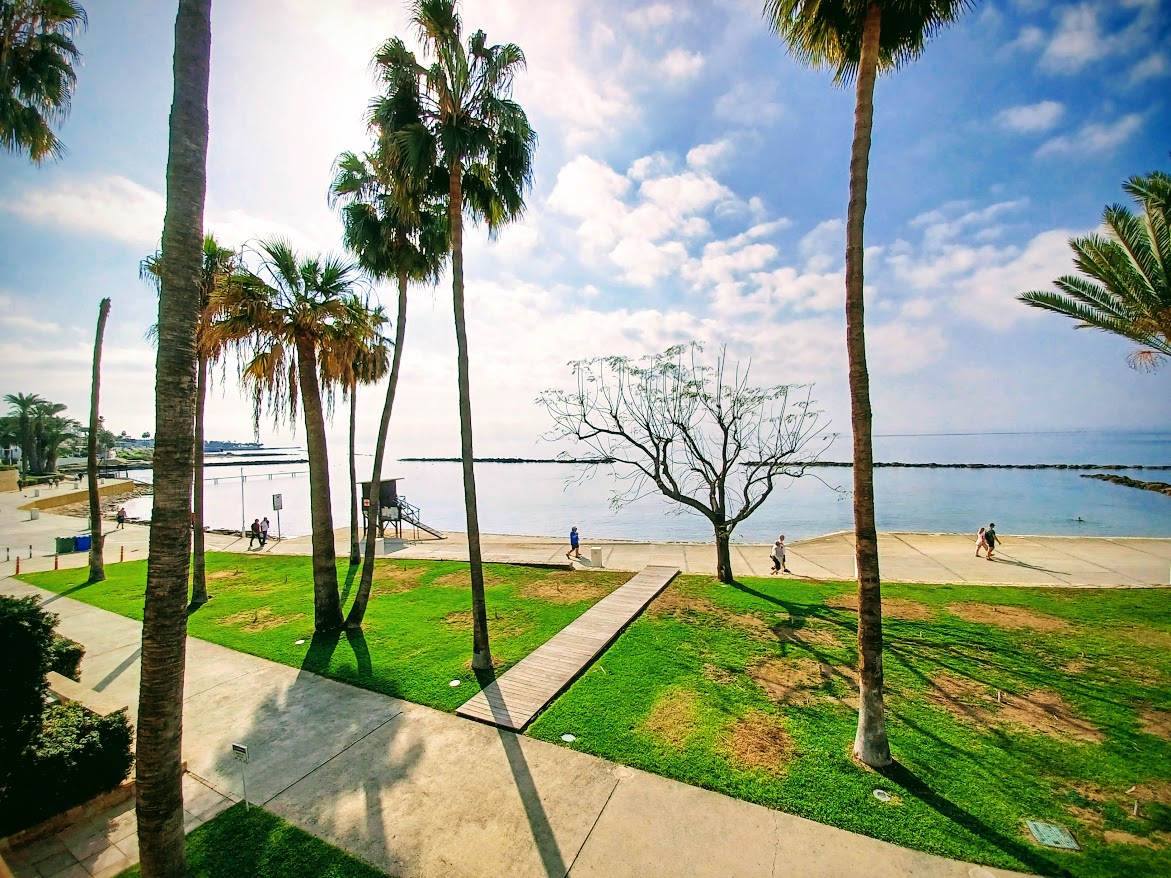
Paphos is evolving into one of Cyprus’ most dynamic business and investment centres, with tourism now complemented by real estate, education, technology and professional services, according to an analysis published by KPMG Cyprus.
The professional services firm said the district has undergone a significant transformation in recent years, shifting from being primarily known as a coastal destination for holidays and retirement into a more diversified economy with a strong international outlook.
According to KPMG Cyprus, this transformation has been driven by new investment, upgraded infrastructure, higher education institutions, international businesses and a property market that continues to attract overseas buyers, creating a new development model for the district.
The firm said this transition gathered pace after Paphos was named European Capital of Culture in 2017, enabling the city to capitalise on its increased international profile, strengthen its outward-looking approach and lay the foundations for a new economic reality.
Although tourism remains the main pillar of the local economy, KPMG said the sector itself has evolved significantly and now supports economic activity throughout the year rather than only during the traditional holiday season.
It explained that Paphos continues to benefit from its internationally recognised archaeological sites, beaches, natural landscapes, authentic gastronomy and favourable climate, while cultural, sports, conference and educational tourism have helped reduce seasonality and strengthen the resilience of the local economy.
KPMG also highlighted the importance of Paphos International Airport, describing it as a vital gateway connecting the district with dozens of European destinations and serving both visitors and investors.
The report said that the district’s economy has become increasingly balanced, with tourism now operating alongside professional services, education, technology and property development.
KPMG said the property sector has emerged as one of the strongest drivers of growth, with Paphos becoming Cyprus’ leading destination for foreign property investment.
It explained that buyers from Europe, the Middle East and other international markets are choosing the district either for investment purposes or permanent relocation.
According to the firm, this demand has significantly boosted construction activity, created new jobs and attracted investments worth hundreds of millions of euros.
At the same time, new residential and commercial developments are improving the urban environment, while the property market is increasingly helping attract new residents, digital nomads, corporate executives and skilled professionals seeking to establish themselves in Paphos.
KPMG said the district’s next phase of growth cannot rely solely on tourism and real estate, adding that increasing emphasis is now being placed on knowledge, education and innovation.
The presence of universities and expanding educational infrastructure, it said, is creating an environment capable of attracting researchers, entrepreneurs and young professionals, while closer links between education and the labour market are strengthening competitiveness and supporting the creation of higher-quality employment.
The firm also pointed to modern telecommunications infrastructure, remote working opportunities and the district’s quality of life as important factors encouraging international companies to establish offices, management centres and operational units in Paphos.
Alongside international investment, KPMG stressed that local businesses remain central to the district’s development, with companies operating across construction, hospitality, education, healthcare, technology, trade and professional services contributing to a stronger and more diversified economic model.
It added that investment generates new employment, increases incomes and boosts local consumption, creating a multiplier effect across the wider regional economy.
Despite the positive outlook, KPMG warned that rapid growth also presents significant challenges.
The firm said the management of urban expansion, the adequacy of water resources, environmental protection and the availability of specialised talent all require long-term strategic planning.
It also stressed that preserving the balance between economic development and quality of life will be essential, arguing that Paphos’ authenticity, natural beauty and community character should remain protected as investment continues.
KPMG Cyprus also highlighted its own role in the district’s development, explaining that it has maintained a strong presence in both Paphos and Polis Chrysochous in recognition of the area’s long-term potential and the importance of supporting local communities.





Click here to change your cookie preferences