
They will be moved into reserves under new plan
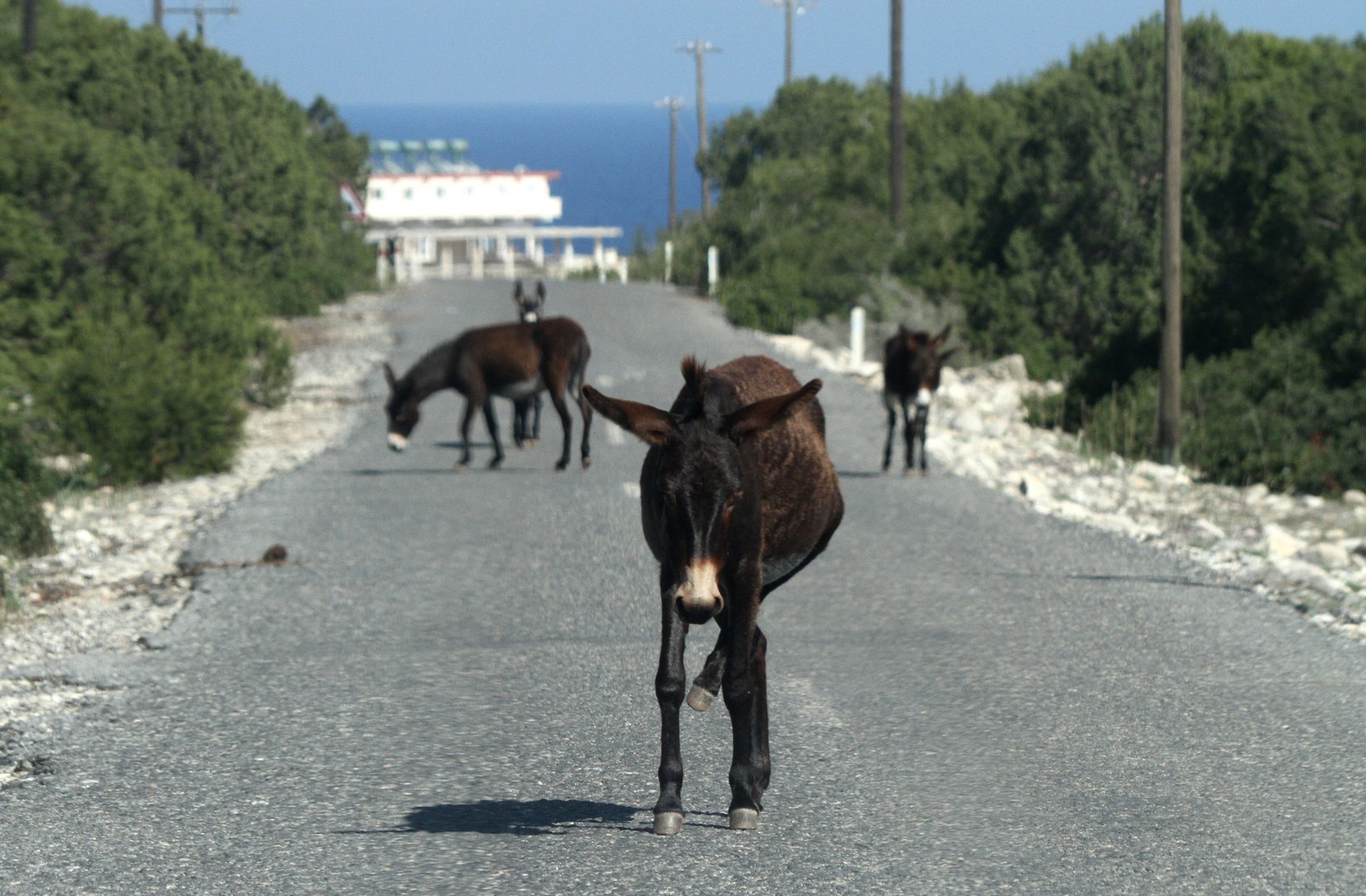
A new management programme for fencing-in the free roaming donkeys of the Karpasia peninsula entered its implementation phase on Friday, with authorities in the north beginning to collect animals found outside designated zones.
According to Turkish Cypriot media, the programme is being coordinated by the north’s wildlife research institute and provides for donkeys to be captured, transported to specially prepared, facilities and examined by veterinarians before being fitted with electronic microchips.
Animals requiring treatment will receive medical care before being transferred to controlled fenced areas.
Director of the natural park operating in the village of Vouno, Kemal Basat, said the initiative is to move all free roaming donkeys in Karpasia into managed areas where their health and population can be monitored.
One of the programme’s central measures is the sterilisation of male donkeys to slow uncontrolled breeding and reduce aggressive behaviour.
Each animal will also undergo blood tests and other veterinary examinations before being entered into a database for monitoring.
Basat said free roaming donkeys have placed increasing pressure on the Karpasia ecosystem by damaging endemic vegetation, agricultural crops and water sources used by migratory birds.
He also said the animals have been involved in road traffic collisions across the region.
He argued that simply providing food and water without population management “does not solve the problem” and instead worsens the situation by allowing numbers to continue increasing.
Residents have been asked to report the location, date and time of donkey sightings to assist collection teams as operations continue across the peninsula.
The donkey management plan began in 2023 and is overseen by an eleven-member scientific committee made up of representatives from public bodies, universities and civil society organisations.
Earlier this year, conservationists warned that repeated delays in funding had left injured animals without timely treatment after a donkey died from gunshot wounds sustained days earlier.
The issue also attracted wider attention after Ayios Symeon ‘mukhtar’ Rezvan Inlen called for the eradication of the donkeys, arguing they were destroying crops and threatening farmers’ livelihoods.
His remarks drew strong criticism from animal welfare groups, while Basat responded that the solution lay in structured management rather than harming the animals.





Click here to change your cookie preferences