
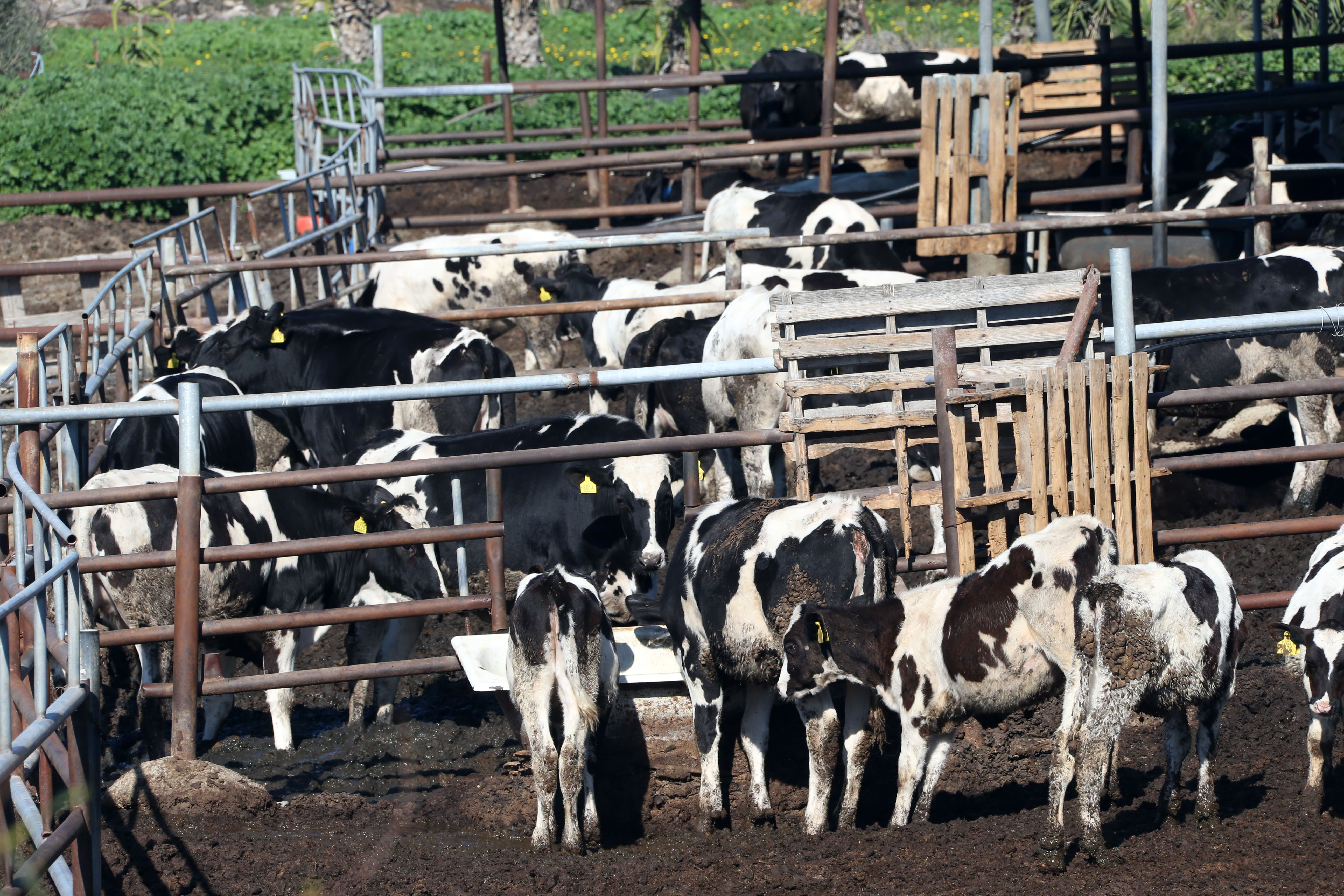
Livestock farmers objected on Tuesday on hearing that the government is leaning toward local herds to replenish the animal stock destroyed amid measures taken to contain the spread of foot and mouth (FMD) disease.
In parliament, agriculture ministry permanent secretary Andreas Gregoriou said the government had initially considered importing animals from abroad to replace the around 10 per cent of the animal stock culled.
But later authorities decided that would take too long, and are now considering local herds for replenishment.
In addition, Gregoriou informed MPs that a special committee for the reconstitution of the animal stock will deliver a report by the end of July on the best way forward.
Hearing this, a representative of the Voice of Livestock Farmers group disagreed, arguing that inevitably samples would need to be taken from non-infected farming units designated for replenishment. The farmers oppose this, because if any livestock test positive for FMD they would have to be put down.
The farmers therefore insisted on bringing in animals from overseas.
The last case of FMD was recorded on June 10.
To date, 121 farming units have tested positive for the highly contagious disease. In 119 of these establishments, all the animals were culled.
Overall, 52,632 sheep and goats have been destroyed, corresponding to 11.5 per cent of the stock. In addition, 3,018 cattle (3.5 per cent of the stock) and 24,483 pigs (7.8 per cent of the stock).
Meanwhile the veterinary services continue testing, both inside and outside the affected areas.
Vaccination is ongoing. So far, the programme (first and second vaccinations) has covered 87 per cent of cattle, 67 per cent of sheep and goats, and 41 per cent of pigs.
Regarding compensation to farmers, Gregoriou said that to date €12.75 million has been paid out. This includes compensation for the destruction of milk and for animal feed.
However, there are 17 compensation applications that are pending. In seven of these cases, said senior veterinary officer Sotiria Georgiadou, authorities suspect that the farmers may have contributed to the spread of FMD – so payment is being withheld until a final determination is made.
Head of the Veterinary Association Demetris Epaminondas said that vaccinations and bio-security measures have played a big part in containing the spread of FMD.
“We believe that, after four months, we’re on a good path, but we must continue the effort to protect the remaining 90 per cent of the healthy animal population,” he said.


Click here to change your cookie preferences