
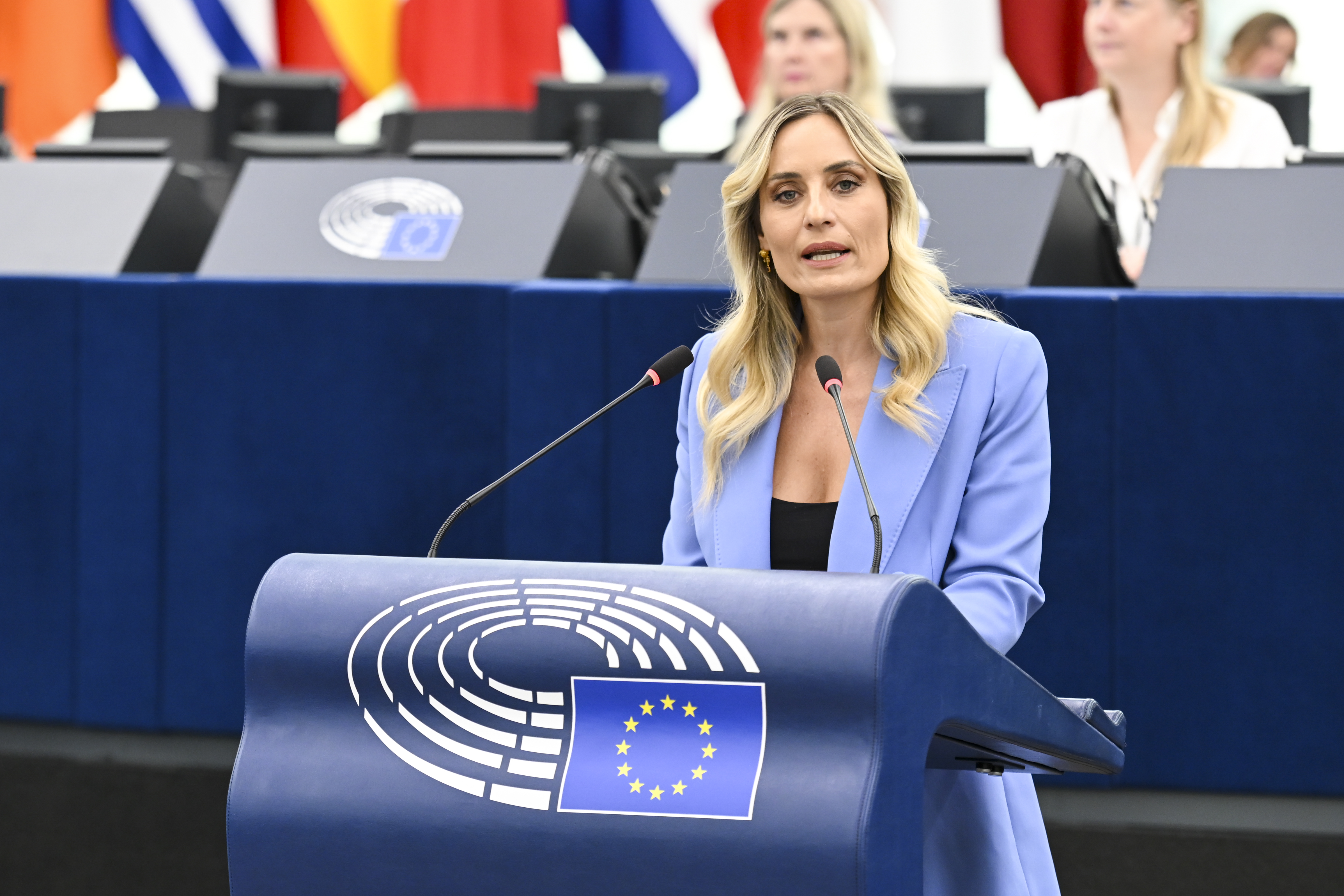
Greek member of the European Parliament Eleonora Meleti on Tuesday told her fellow MEPs that she had promised that “someone will finally take care of these open wounds” as the parliament debated her report into sexual violence committed against women and girls during Turkey’s invasion of Cyprus in 1974.
“This is not just a resolution on Cyprus which I am asking you to support. It is the story behind the resolution. It is the women, the girls, those who left, those who are still here, those who we met a year ago on our mission, those who told us the darkest stories of violence, despair, humiliation, and abuse,” she said.
She added that many of those who suffered sexual abuse “were still underage girls, pregnant women, newlywed daughters, mothers, grandmothers”, and that they were “tortured, raped, and abused by the Turkish invaders”.
Last year, Meleti, who belongs to Greek ruling party Nea Dimokratia, had led a factfinding visit to the island where she had met sexual abuse victims, and she explained on Tuesday that “the women we met last year broke their silence for the first time in 51 years”.
“Many of them saw us without letting their husbands and children know. They admitted that they had never spoken, either out of fear or shame,” she said, adding that “their rape did not end then” but instead “continued through stigma, isolation, marginalisation, rejection, loneliness”.
The people whom she interviewed, she said, “spoke for all those who will forever remain condemned to silence”.
“Before leaving Cyprus, we made a promise; that we would make the cries of these women heard everywhere and heard loudly, that we would give our all so that they … would be recognised as victims of war crimes, so that someone would finally take care of these open wounds, even if slowly,” she said.
She added that she hopes that “rape will be recognised as a weapon in conflict zones”, and for “Turkey to pay compensation for the victims”, as well as “to send a strong message that everything it did cannot be forgotten because it belongs in the past”.
“We made a promise that the pain of these women, the collective trauma of the Cypriots, will not remain silent or invisible. Therefore, it is not the resolution that I call on you to support, it is the history which has already been written. It is the soul, the need for vindication of the victims, the promise we made, the women of Cyprus,” she said.
She had given her address on behalf of the European People’s Party, the centre-right grouping to which both Disy and President Nikos Christodoulides belong, and next to speak was Italian MEP Cecilia Strada, representing the centre-left Socialists and Democrats, the grouping to which Diko belongs.
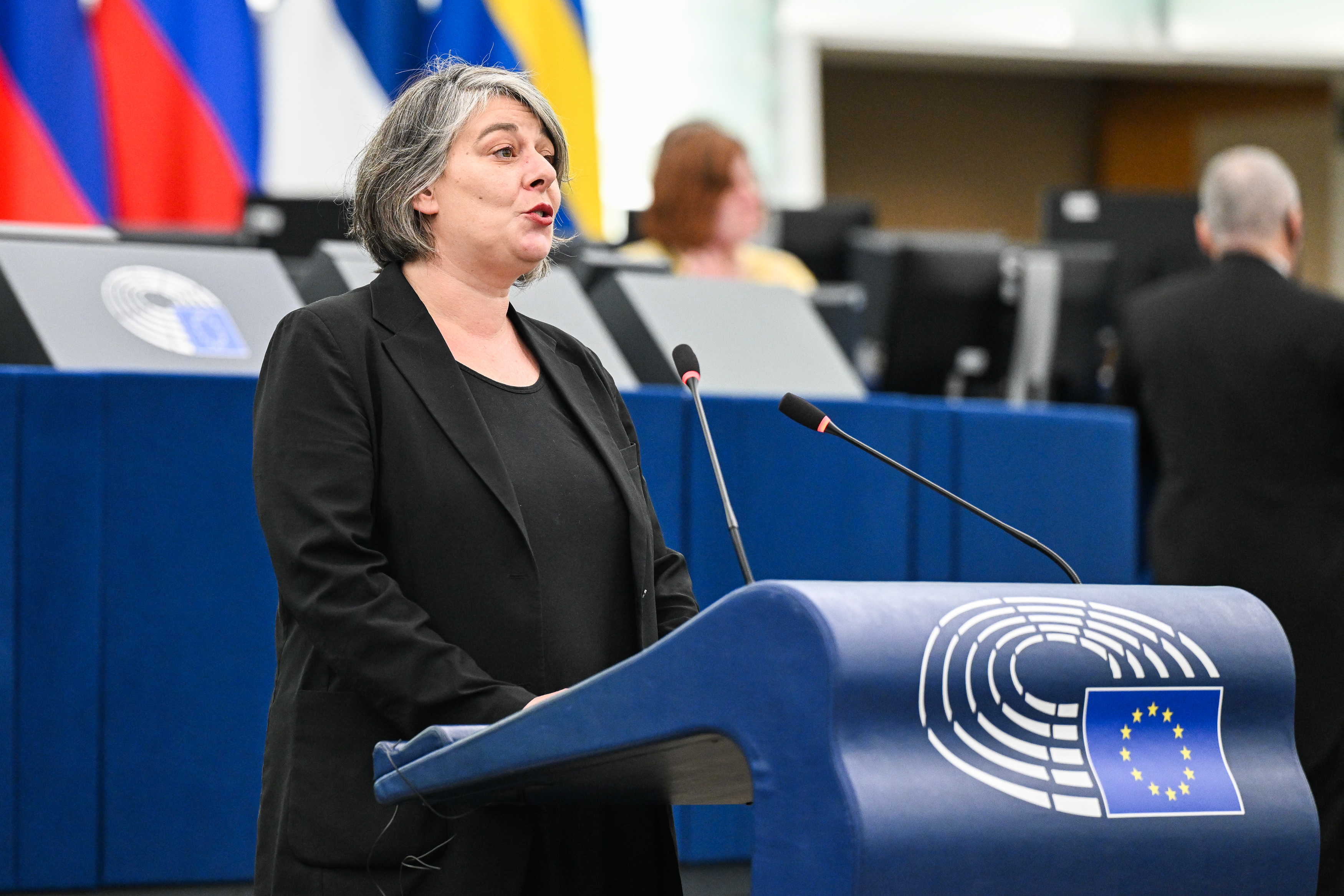
“The Turkish invasion turned the island into a theatre of massacres and horrors against the civilian population, with unprecedented ferocity. Rape was used extensively as an instrument of war, and the women and girls of the island paid the price,” she said.
She did, however, note that the violence experienced on the island was not a one-way street, saying that while “Turkish forces systematically gang raped and assaulted Greek Cypriot women aged 12 to 70”, the “fascist paramilitary forces of Eoka-B raped and massacred the female population of entire Turkish Cypriot villages”.
“As in too many war zones, the perpetrators went unpunished and the victims, in most cases, lacked access to adequate health and social care,” she said.
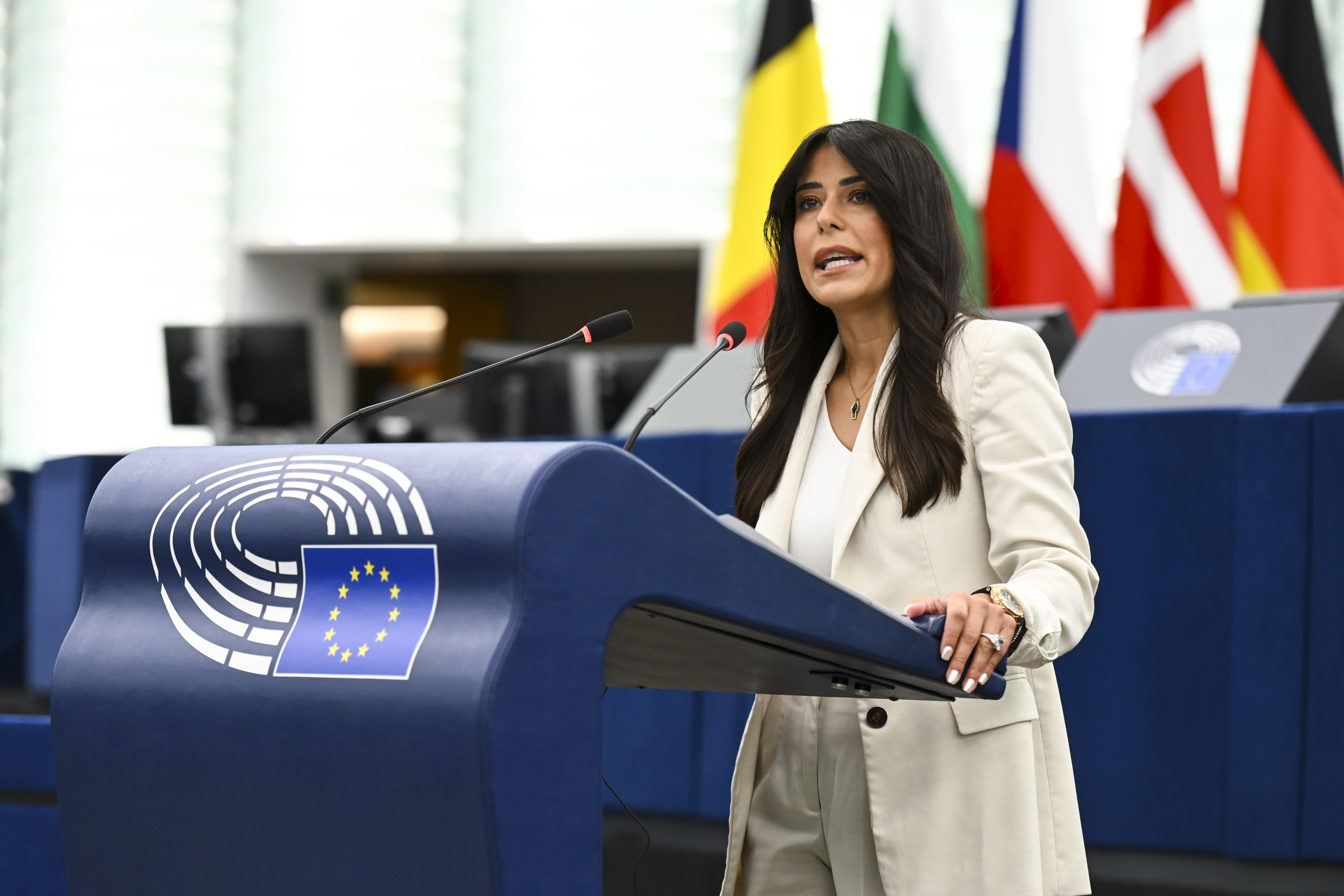
Greek MEP Afroditi Latinopoulou, speaking on behalf of the far-right Patriots for Europe group, took a different angle, accusing her fellow MEPs of “wanting to put these cowardly murderers, who continue to this day to threaten Greece, our Cyprus, and Israel, in the European Union”, adding that “you are not ashamed”.
“For the Russian invader, we know how to speak and do the right thing. For the Turkish invader, however, we know only how to turn a blind eye, and what of our Cyprus, Famagusta, Kyrenia, Karpasia, Morphou, Karavas, Rizokarpaso? Still, there, our blood-sanctified lands lie under the Turkish invader,” she said.
She added that her fellow MEPs had chosen “silence” and had been “stuffed with the dirty money of the conqueror”.
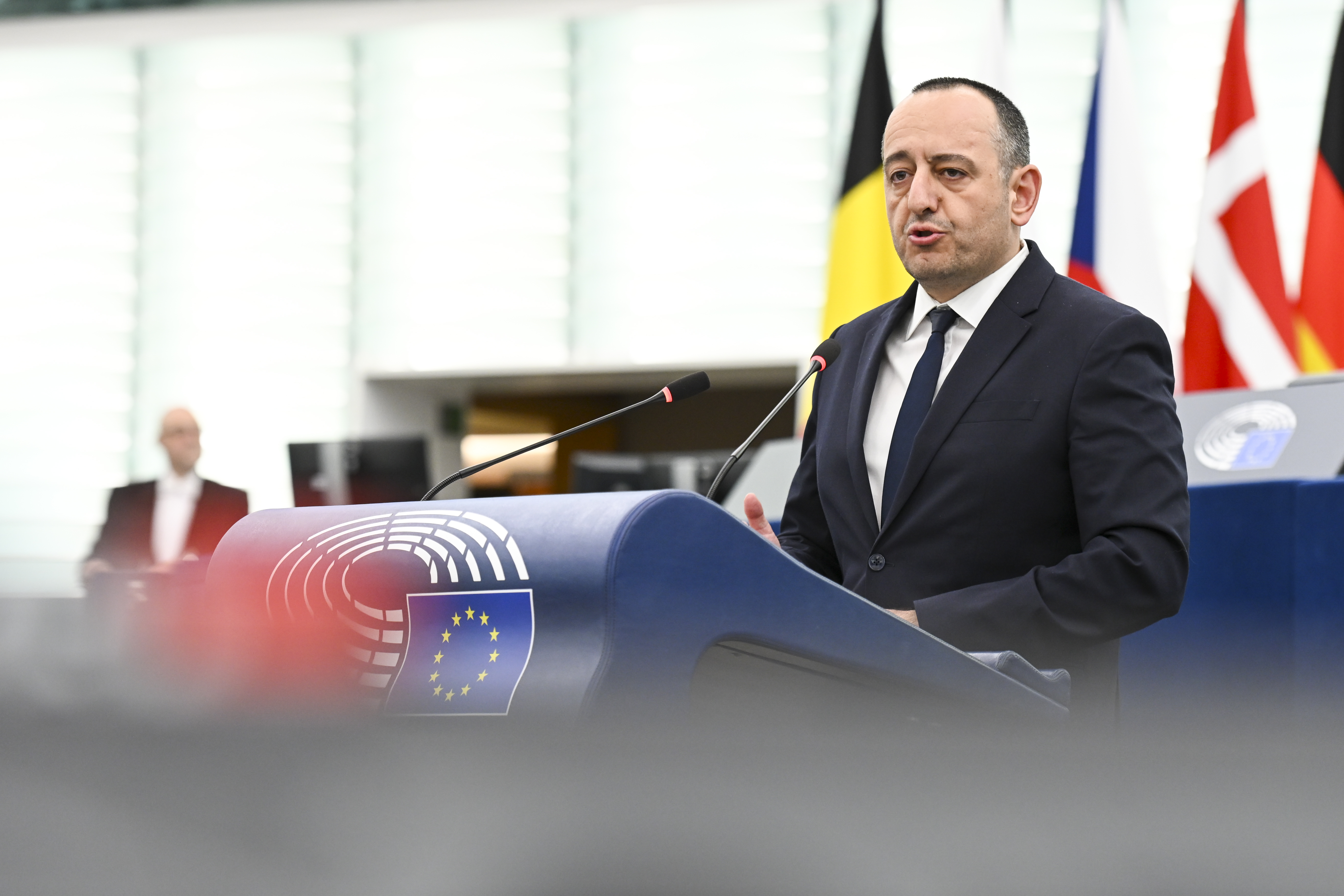
Likewise, Elam MEP Geadis Geadi, speaking on behalf of the far-right European Conservatives and Reformists’ group, complained that “while we should be speaking about the obvious, we are here to restore some common sense”.
“It is a shame that senior officials of the European Union, [foreign policy chief Kaja] Kallas and [Enlargement Commissioner Marta] Kos, chose a few days ago to present Turkey as a key strategic partner, talking about deepening cooperation,” he said.
He said that “this attitude of theirs is an insult to the women whom we today declare that we are defending” and “an insult to the very values of the European Union”.
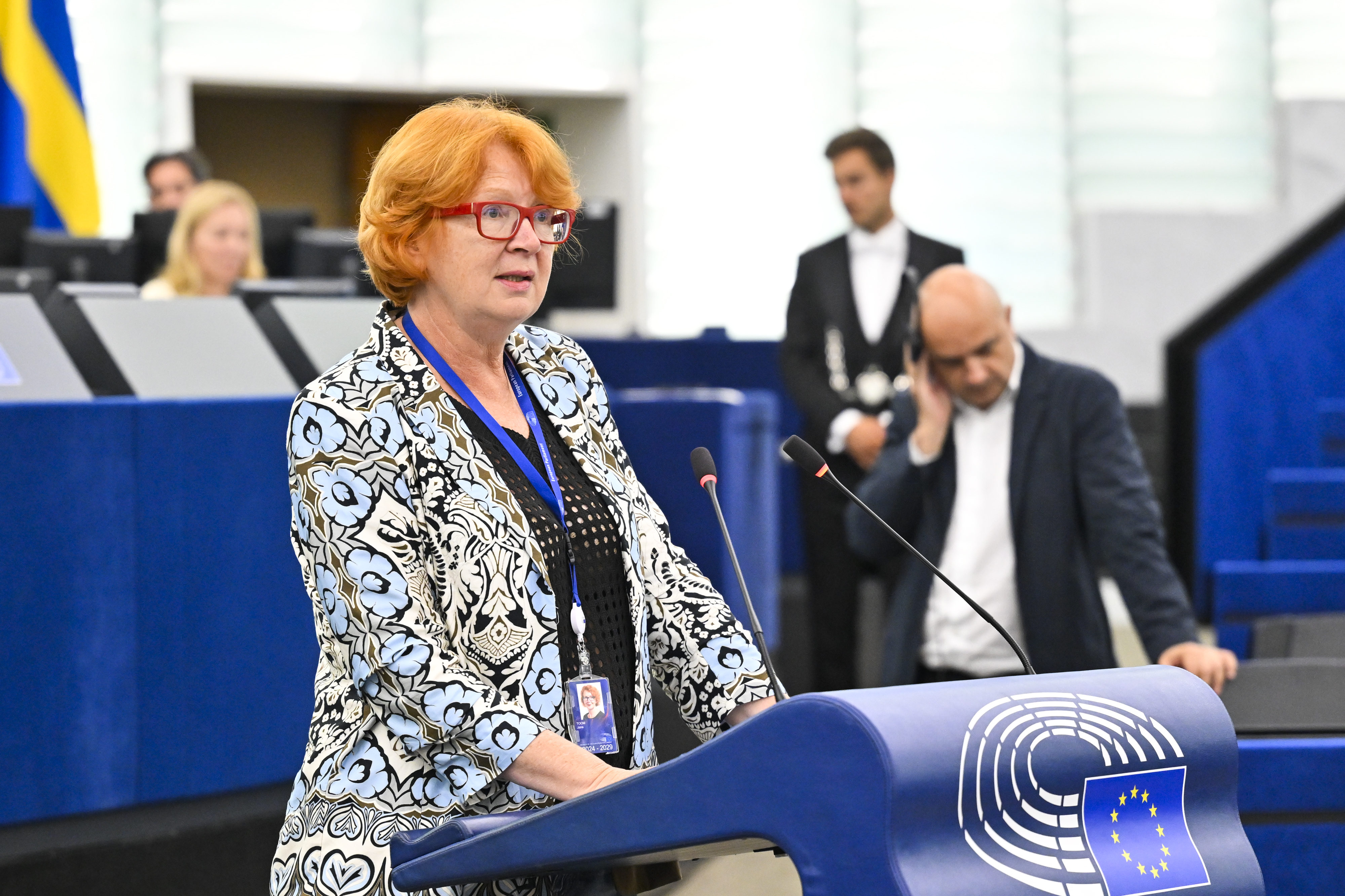
Estonian MEP Jana Toom, speaking on behalf of the centrist Renew Europe group, said that “these women were attacked for the simple fact that they were women” and that “they were put [through] this terrible suffering as a way to demoralise the population and achieve a military goal”.
“We have to recognise publicly the harm that the women of Cyprus went through. We have to ask for a better support system that can help women deal with the trauma. And we have to continue advocating for a permanent solution for Cyprus,” she said.
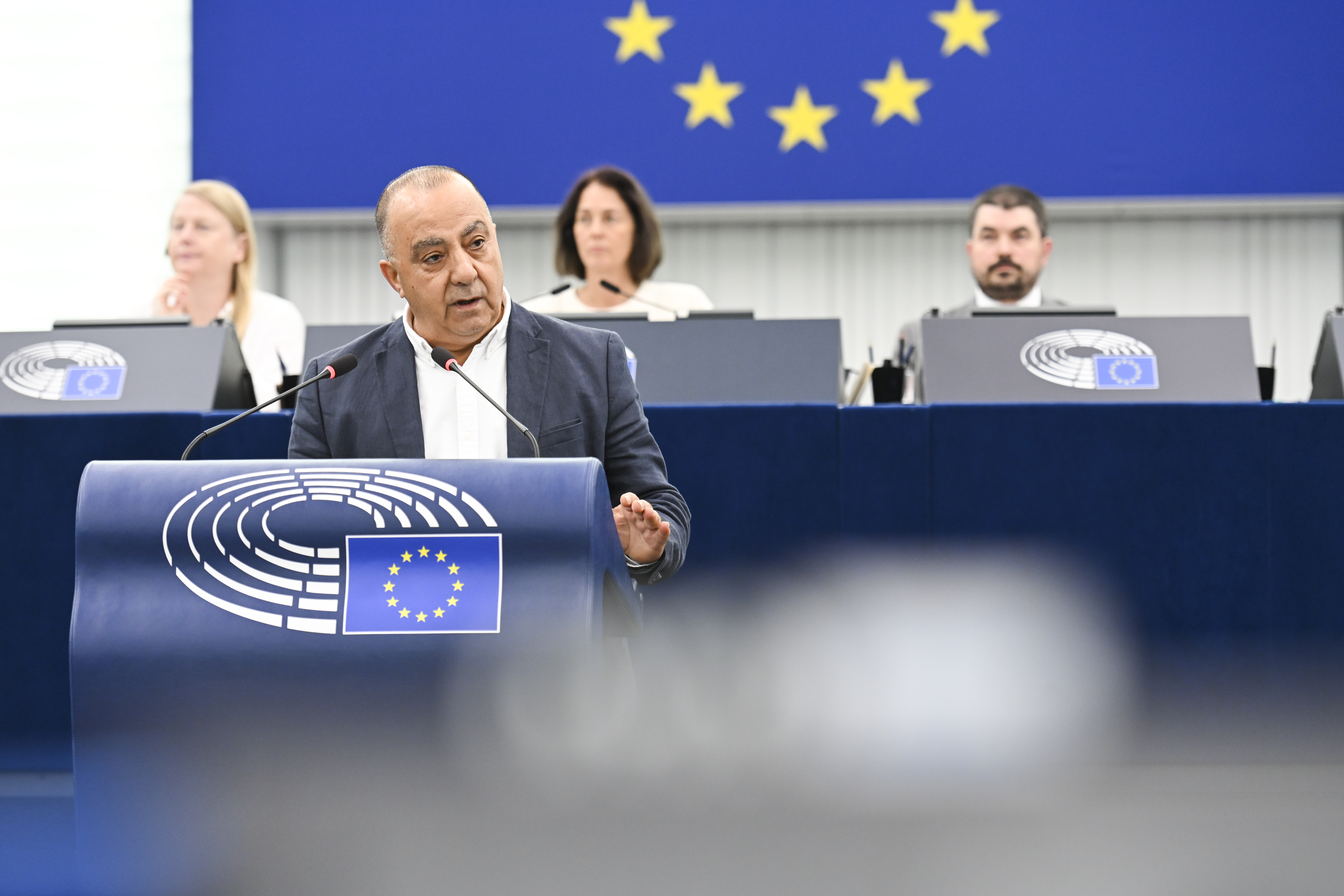
Next, Akel MEP Giorgos Georgiou, speaking on behalf of leftist group The Left, said that “in 1974, the Turkish armed forces in Cyprus systematically organised sexual violence against Greek Cypriot women and men of all ages”, and that this constitutes “another heinous crime [committed] by Turkey which remains unpunished”.
“However, we must be honest. Barbarities were also committed by Greek Cypriot paramilitary groups against Turkish Cypriot women. Rape has no colour, race, or religion. Wounds are difficult to heal,” he said.
He added that “Cyprus and the European Union have an obligation to ensure the rights, dignity, and historical memory of all women in Cyprus”, and called for “the common pain [to] become a driving force for bicommunal cooperation and peace on our island”.
The report will be put to a vote on Wednesday.




Click here to change your cookie preferences