
Cyprus was wrapped over the knuckles by the European Commission yet again on Wednesday for failing to implement EU waste recycling targets, its restrictive energy-installation policies, and its failure to implement both anti money laundering directives and enshrining adequate minimum wages into national law.
“The decision is part of the Commission’s enforcement efforts to remove barriers in the single market in 11 focus areas,” the commission said, issuing its the energy-related infringement procedures.
Calling on a total of 12 member states to meet EU waste recycling targets, which stipulated a 50 per cent recycling target of municipal waste by 2020, the commission issued “letters of formal notice” to Cyprus, Greece and Germany.
In the case of Cyprus, the “letter of formal notice”, marks the first step of the EU’s formal five-step infringement procedure.
The stipulated goals are part of EU framework directives which are legally binding for all EU member states.
Cyprus has also joined six other member states in missing the EU targets for total packaging, metals and glass, having been found in breach of the latter target, along with Portugal.
“Achieving these targets is essential to foster the single market for secondary raw material and enhance circularity,” the commission said.
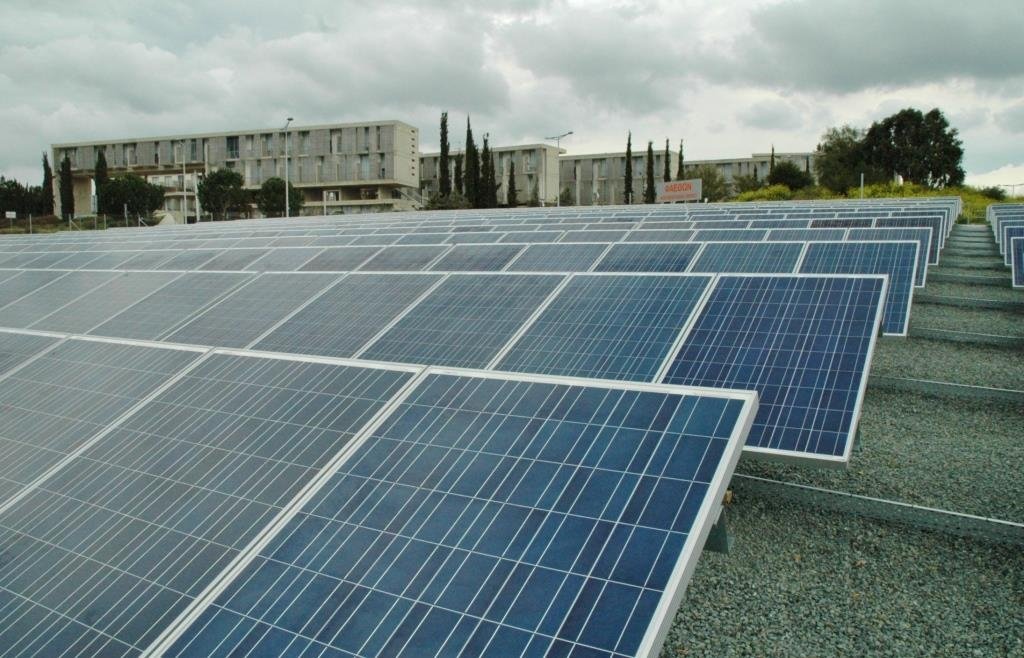
A further infringement case was filed against Cyprus for imposing what the EU described as “restrictive mandatory authorisation or certification schemes for energy installation and construction services”.
“The cases tackle obstacles to the installation of renewable energy equipment, which are created by authorisation and similar requirements,” the commission said, adding that the respective requirements made it difficult for installers of renewable energy equipment and providers of energy efficiency installations to work across the bloc.
In a third infringement notice, the commission appealed to Cyprus to correctly transpose the provisions of the EU directive on combatting money laundering.
Here, Cyprus ranks among Lithuania, Poland and Slovenia, with all four countries infringed for failing to correctly transpose “some of the provisions” of the EU directive 2018/1673, including regarding penalties and the money laundering offences
“The directive defines criminal offences and sanctions for money laundering, facilitates police and judicial cooperation between EU member states and prevents criminals from taking advantage of diverging legal systems across the EU,” the commission said.
In a fourth infringement notices, the commission called on Cyprus and Luxembourg to transpose the directive on adequate minimum wages into national law, which all EU member states were scheduled to implement by November 2024.
“To date, Cyprus and Luxembourg have not notified any national transposition measures to the commission,” the commission said.
Both countries now have two months to respond and notify their measures to the commission.
In the absence of a relevant response, the commission could decide to proceed with the second stage of its infringement procedure and issue a “reasoned opinion”, which is another formal request to comply with the EU law, explaining why the commission believes the country is breaching the law and requests that the commission be informed about relevant measures within a specified time frame.





Click here to change your cookie preferences