
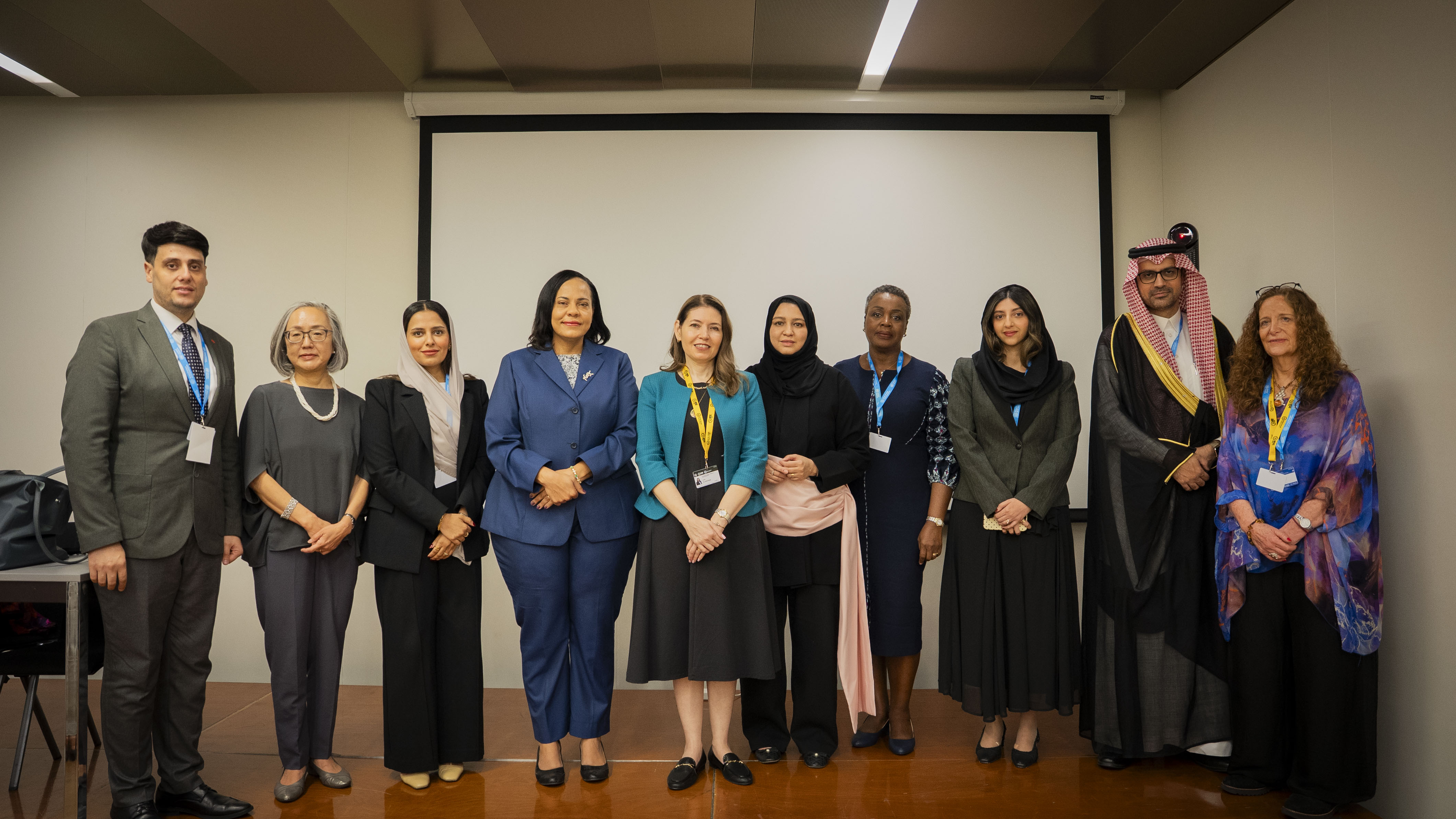
The Digital Cooperation Organisation (DCO) has launched a new guidebook designed to help governments develop ethical artificial intelligence policies, unveiling the initiative during a high-level event held alongside the first United Nations Global Dialogue on Artificial Intelligence Governance in Geneva.
Notably, Cyprus is among the DCO’s member states, having joined the organisation as part of its efforts to strengthen international cooperation on digital transformation and the digital economy.
The launch took place on July 8, during a session organised in partnership with the Saudi Data and AI Authority (SDAIA) and the International Center for Artificial Intelligence Research and Ethics (ICAIRE).
The event, entitled “Responsible, Trusted, and Safe AI for Prosperity: From Principles to Practice,” was held on the sidelines of the United Nations Global Dialogue on Artificial Intelligence Governance, which took place in Geneva on July 6 and July 7, 2026.
According to the DCO, the session brought together policymakers, international organisations, industry leaders, academics, civil society representatives and members of the technical community to discuss how countries can accelerate the responsible adoption of artificial intelligence through practical governance frameworks, capacity building and international cooperation.
The organisation launched the DCO Ethical AI Guidebook for Policymakers, which is intended to help governments, regulators and national AI task forces translate ethical AI principles into national policies, legislation, strategies and governance frameworks.
The DCO said the guidebook is based on its Principles for Ethical AI and the Riyadh AI Call to Action Declaration, forming part of a broader ecosystem of governance tools designed to strengthen countries’ preparedness for artificial intelligence.
According to the organisation, these tools also include the DCO AI Ethics Evaluator, the AI-REAL Toolkit and Web Portal, and the Digital Economy Navigator, which are intended to help governments improve institutional capacity, strengthen trust and support evidence-based policymaking and investment decisions.
The guidebook has been made publicly available through the DCO’s website.
During the main programme of the United Nations Global Dialogue on Artificial Intelligence Governance, DCO secretary-general Deemah AlYahya also participated in a high-level panel discussion alongside representatives from the artificial intelligence industry and civil society.
The DCO said AlYahya used the opportunity to present the perspective of what it describes as the “World Digital Majority” in discussions on inclusive global AI governance.
“The architecture of the AI age is being drawn right now, and more than half the world’s nations are not holding the pen,” AlYahya said.
“What we face is more than an implementation gap,” she said.
“It is a question of equity and of who shapes the rules of the AI age, and who must simply live by them,” AlYahya added.
She argued that there is already broad agreement on the principles that should underpin artificial intelligence.
“The world does not lack principles,” she said.
“We agree AI must be responsible, trustworthy and inclusive,” AlYahya continued.
“What the world lacks is the capacity to act on them,” she said.
“The DCO Ethical AI Guidebook for Policymakers exists to close that gap, to put practical tools in the hands of every government, so that AI becomes a trusted engine of digital prosperity for all,” AlYahya added.
The Digital Cooperation Organisation, established in 2020, describes itself as the world’s first standalone international intergovernmental organisation dedicated to accelerating the growth of an inclusive and sustainable digital economy.
The organisation brings together the ministries responsible for communications and information technology from its 16 member states, representing a combined economy worth nearly $3.5 trillion and a market of more than 800 million people, over 70 per cent of whom are under the age of 35.





Click here to change your cookie preferences