
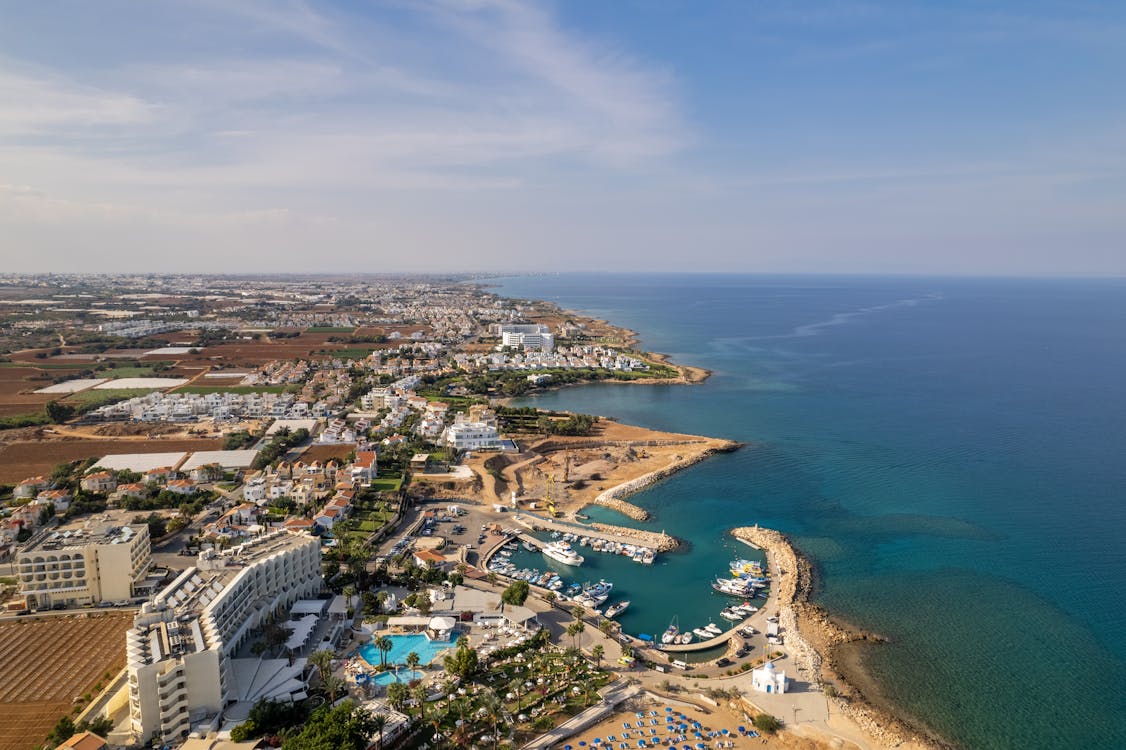
Cyprus has been named one of the Mediterranean’s most family-friendly islands by National Geographic Traveller, with the publication emphasising its blend of ancient history, unspoilt nature and beaches.
The island was included alongside Majorca, Rhodes, Gozo, Kefalonia, Corsica and Sardinia in a selection of seven destinations offering families experiences beyond large resorts and conventional beach holidays.
National Geographic placed particular emphasis on Paphos, describing the coastal city as a strong starting point for families looking to combine time by the sea with history and outdoor activities. From boat trips to hidden coves to visits to ancient Greek and Roman sites, the area offers several ways for younger visitors to explore the island’s past.
Among the main attractions highlighted were the UNESCO-listed Tombs of the Kings, where families can follow self-guided trails through underground chambers carved into the rock.
However, the publication noted that Cyprus’ family appeal extends well beyond its archaeological sites. Further north, Avakas Gorge and the Akamas National Forest Park offer accessible nature trails through some of the island’s most dramatic landscapes.
Meanwhile, Lara Beach was singled out for its soft sand and clear waters, as well as the chance to see turtle hatchlings between May and August.
While Cyprus was recommended for its combination of history and nature, Majorca was selected for outdoor adventure and lively street life.
In the island’s north, the Serra de Tramuntana provides a backdrop for scenic drives, hiking and cycling, while the pine-fringed coves around Cap de Formentor offer quieter places for swimming.
At the same time, the town of Pollença gives families an opportunity to experience local life, with children able to spend time in its main square while trying traditional ensaïmadas.
For families with older children, Majorca also offers canyoning, caving and coasteering. Further east, the port town of Cala Ratjada provides access to sandy coves suited to swimming and snorkelling, while the nearby Cuevas del Drach feature underground chambers and a lake crossed by boat.
Rhodes, meanwhile, was chosen for its villages, beaches and watersports, with Lindos identified as a particularly suitable base for families.
The village combines traditional Greek island life with centuries of Roman, Turkish, Italian and Byzantine influence. Its sheltered beach also offers calm waters, while nearby areas provide further opportunities for coastal activities.
Families can also explore the southern mountain villages of Lardos, Agios Isidoros, Siana and Monolithos, travelling through pine forests and stopping at local tavernas and produce shops along the way.
Further south, Prasonisi was highlighted for its wide stretch of sand and its popularity with windsurfers and kitesurfers.
For those seeking a quieter destination, Gozo was presented as a greener and less crowded alternative to neighbouring Malta.
The island’s history is centred on the UNESCO-listed Ggantija temples, which date back around 5,500 years and are older than the Egyptian pyramids. Families can also walk along the ramparts of the Ċittadella, which rises above the town of Victoria.
Beyond its historic sites, Gozo offers a rugged coastline shaped by cliffs and exposed rock formations. Dwejra Bay provides views of Fungus Rock and access to the Inland Sea, while Ramla Bay offers kayaking, snorkelling and paddleboarding.
National Geographic also selected Kefalonia for its combination of Greek mythology, beaches and mountain scenery.
The largest of the Ionian Islands is known for its forested slopes, clear waters and beaches such as Myrtos. Loggerhead turtles can also be spotted around the island’s coastline.
Away from the better-known resorts, families can visit Fiskardo, with its Venetian harbour, or explore the sandy bays around Trapezaki.
One of Kefalonia’s most distinctive attractions is Melissani Cave, where visitors can travel by boat across an underground lake surrounded by rock formations. In contrast, Ainos National Park offers hiking through fir forests, with opportunities to see wild ponies and observe the night sky.
Corsica was included for families seeking wilderness and more dramatic coastal landscapes.
The French island combines mountains, wooded ravines, traditional villages and beaches bordered by pine trees and granite rocks. Plage de Palombaggia, south of Porto-Vecchio, was highlighted for its shallow waters and soft sand.
Families can also take boat trips from Porto Ota to the UNESCO-listed Calanques de Piana, known for their red rock formations. More experienced walkers can explore sections of the GR20, the mountain trail crossing the island’s interior.
Finally, Sardinia was recommended for its beaches, archaeological remains and rural character.
Families can begin along the southern coast, visiting beaches including Santa Margherita di Pula, Su Giudeu and Tuerredda, before travelling to Cagliari to explore the old city and coastline.
However, National Geographic noted that some of the island’s most interesting experiences can be found away from the shore. Sardinia’s interior is home to ancient nuraghe, the Bronze Age stone towers found across the island, as well as rural communities where visitors can experience traditional food and local life.





Click here to change your cookie preferences