
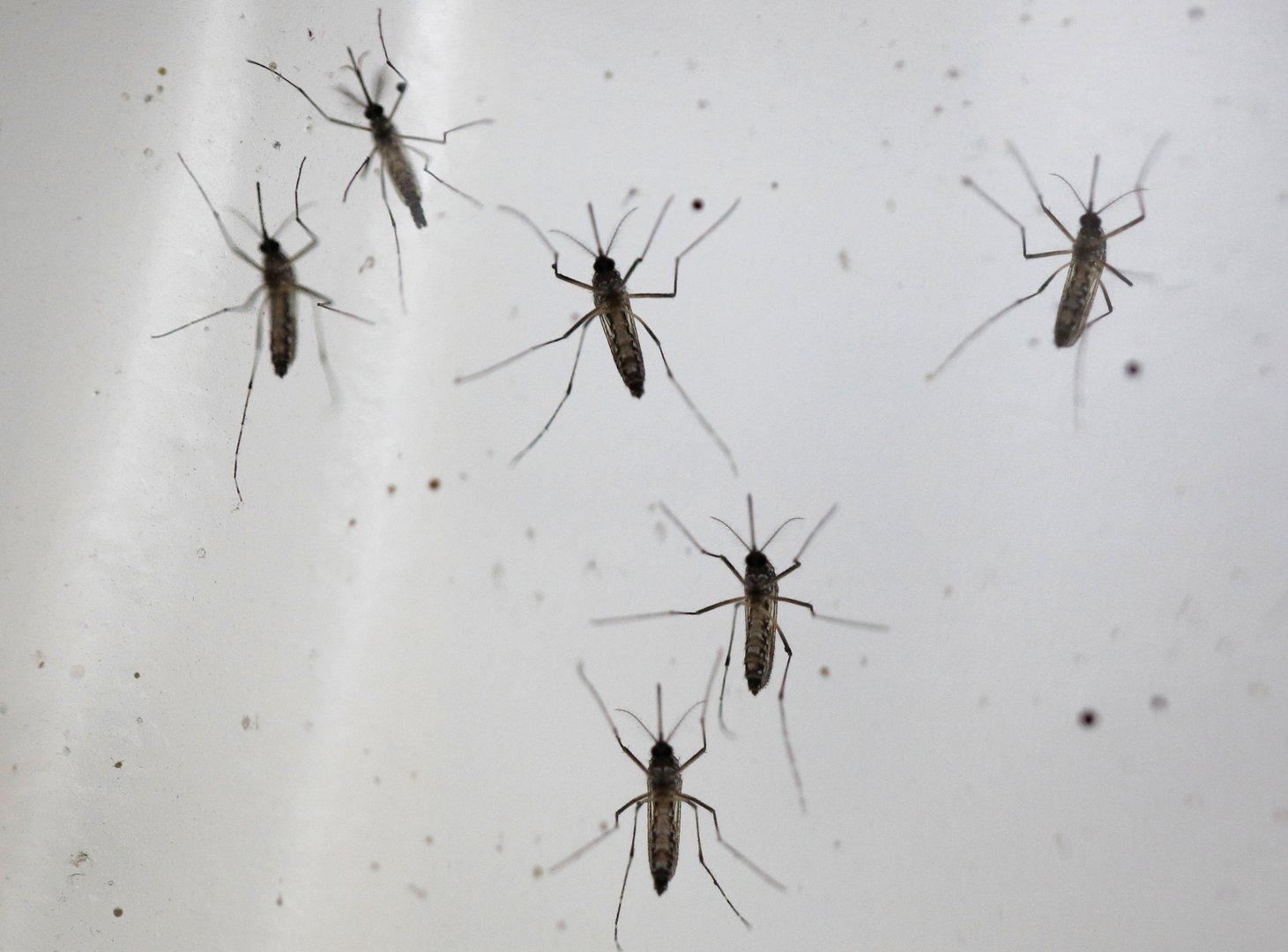
A rise in mosquito complaints in Larnaca during the recent heatwave has prompted questions over the progress of Cyprus’ programme to reduce the population of an invasive mosquito species through the release of sterile males.
Speaking to Sigma on Thursday, health services deputy head, Herodotos Herodotou, said the increase in mosquito activity was mainly due to recent rainfall, which created additional breeding conditions, followed by rising temperatures.
“When temperatures reach 40 degrees, a decrease will be observed,” he said, explaining that the current outbreak did not indicate a failure of the sterilisation programme.
The pilot programme, which began in the Kiti area of Larnaca, uses the Sterile Insect Technique (SIT), a biological method in which male mosquitoes are sterilised before being released into the environment.
The sterile males mate with wild female mosquitoes, producing eggs that do not hatch and gradually reducing the population of the species.
Herodotou said the programme had already demonstrated positive results during its pilot phase, with Cyprus developing the necessary expertise through cooperation with laboratories abroad.
During the initial implementation, two health service officers travelled to Austria to receive training in mosquito breeding and sterilisation techniques.
The sterile male mosquitoes are produced from local wild populations, transported to specialised facilities where males are separated from females and then sterilised using ionising radiation before release.
Authorities previously said around 100,000 sterile mosquitoes were being received each week as part of the programme.
The method only releases male mosquitoes, which do not bite humans and cannot spread diseases.
The approach aims to reduce mosquito numbers while limiting the use of chemical insecticides.
Herodotou said EU experts and representatives from local authorities continue to assist Cyprus in preparing staff for wider implementation of the programme.
He also warned that the mosquitoes currently circulating can carry viruses including dengue fever, although Cyprus has not recorded locally transmitted cases.
“We had some incidents that came from abroad, and they were dealt with immediately,” he said.
The Aedes aegypti mosquito is considered an invasive species capable of transmitting several diseases.
SIT has previously been used internationally against other insect species and has increasingly been adopted as a mosquito control measure.
Health authorities said the current increase in mosquito numbers was connected to environmental conditions rather than the presence of sterile males released as part of the control programme.




Click here to change your cookie preferences